
Last updated November 25, 2026
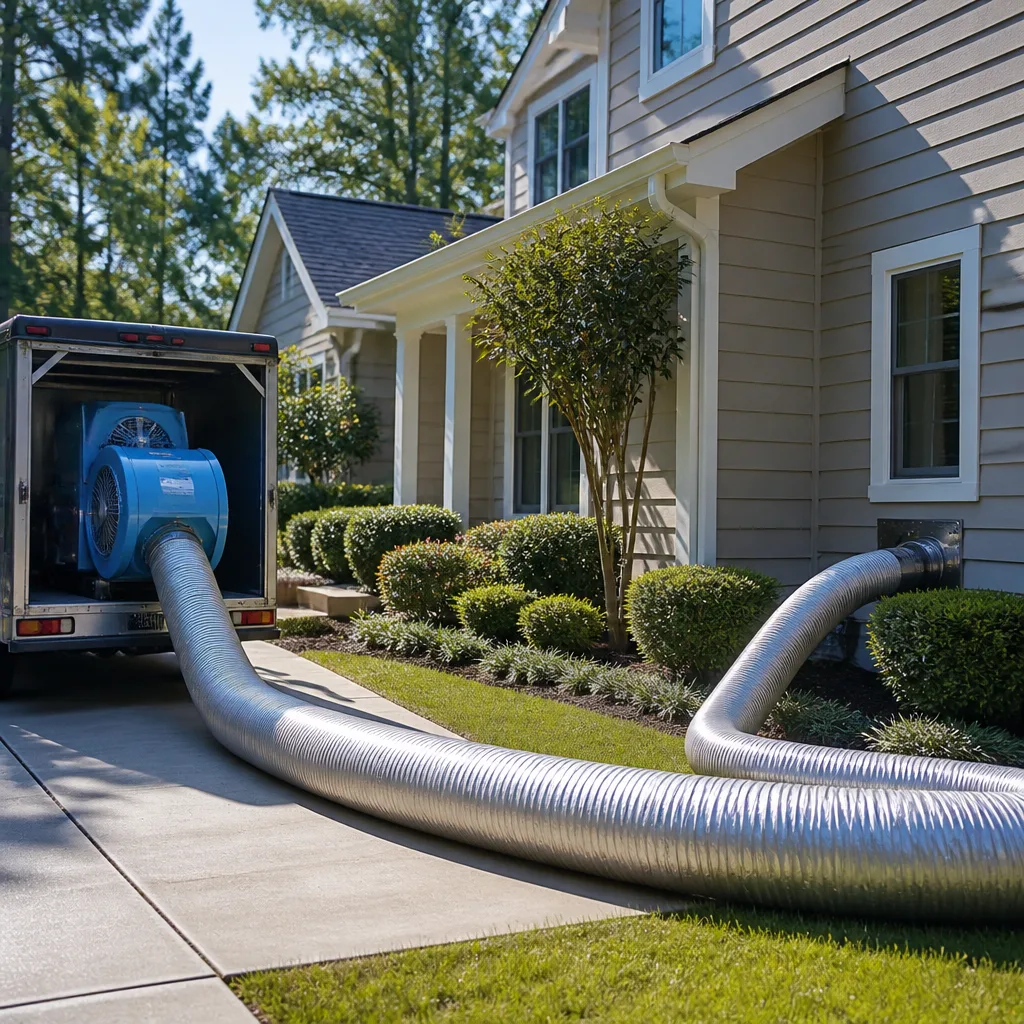 Whole-home duct cleaning
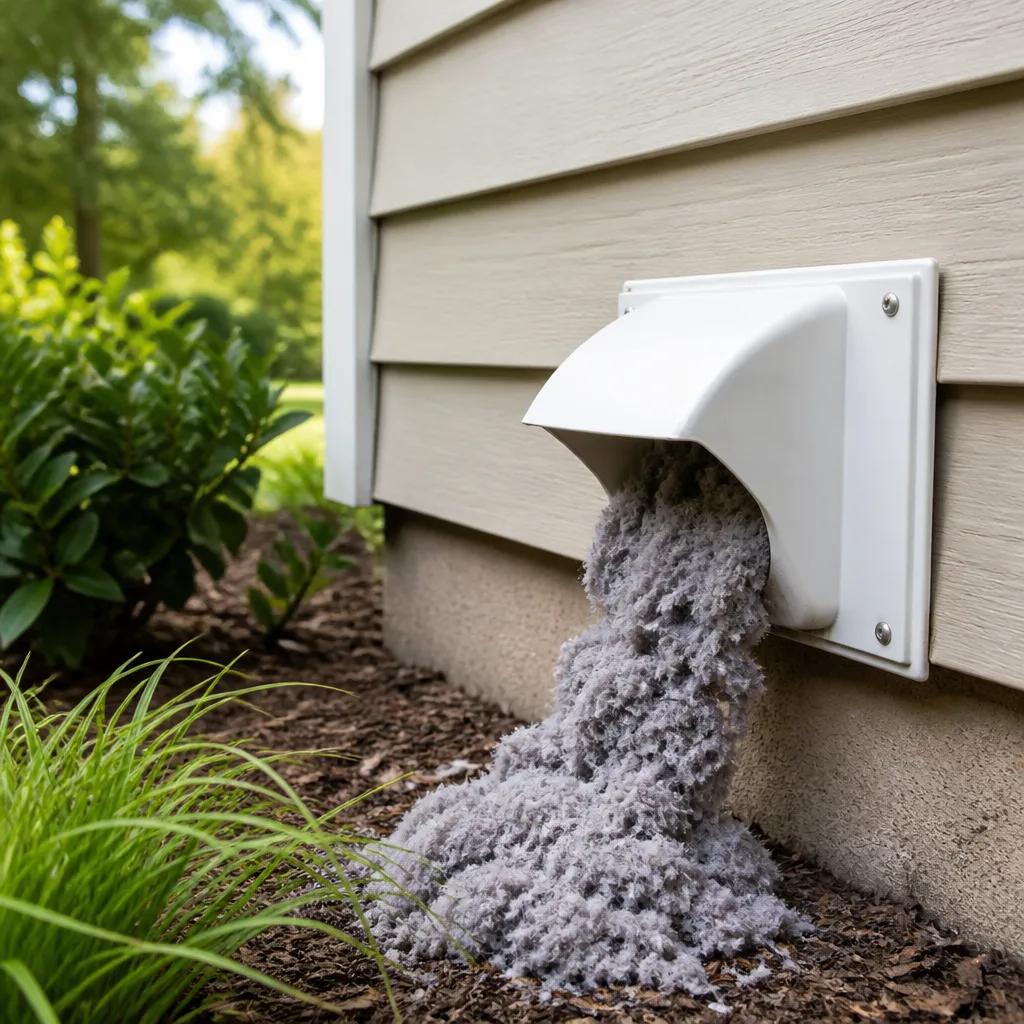 Dryer vent cleaning
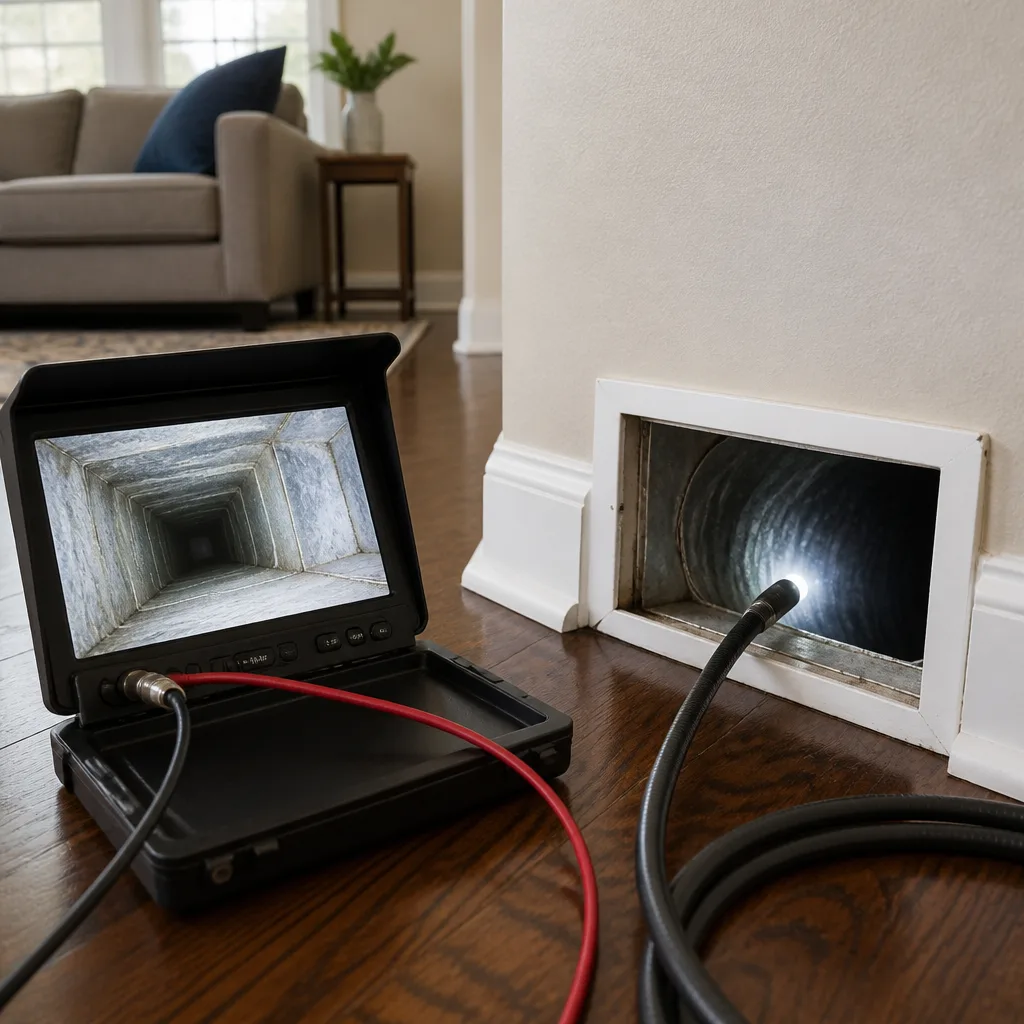 Camera inspection
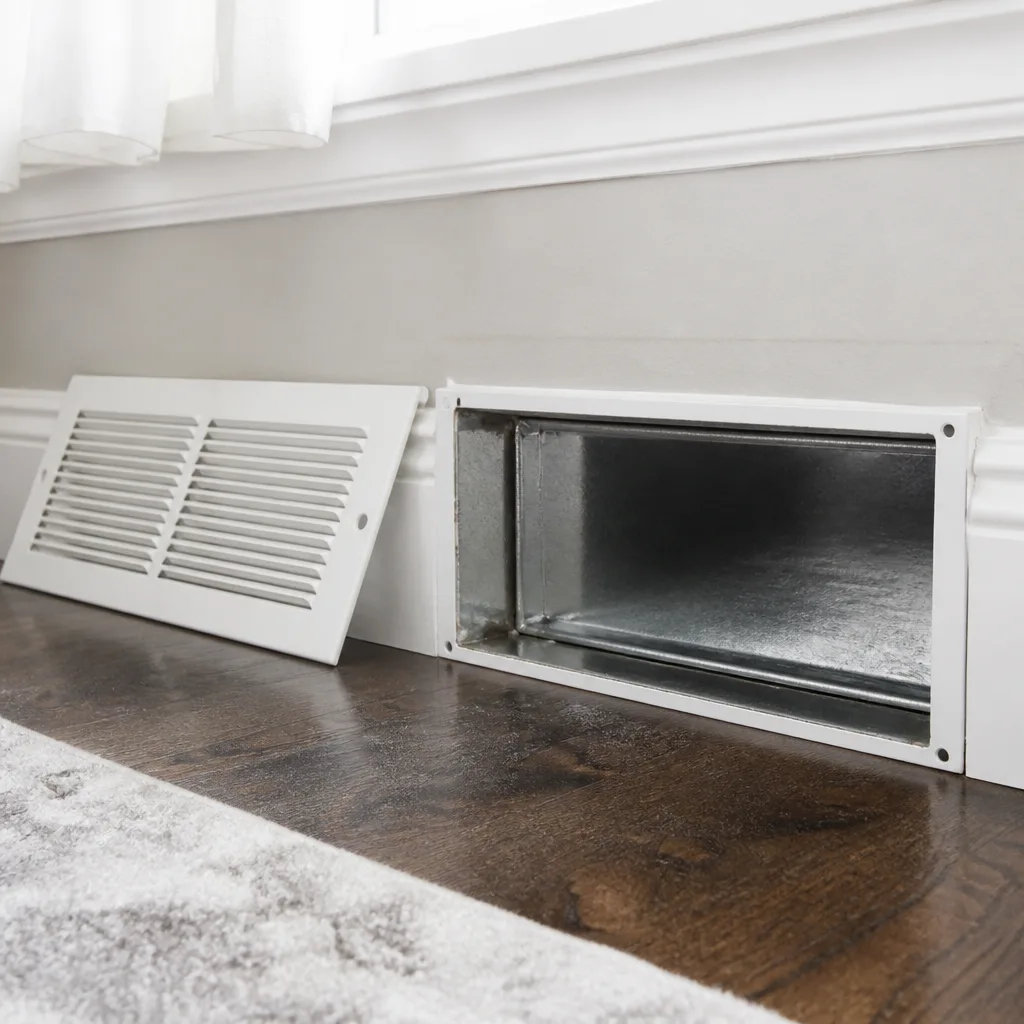 Sanitizing & deodorizing
Whole-system duct and dryer vent check with before-and-after photos - you see exactly what came out of your vents
That "$99 whole-house special" is a bait ad - the real number appears once they are in your hallway, or the "clean" is a shop-vac at the register. We photograph the inside of your ducts before and after instead.
Air Duct Cleaning Permits, Codes & Inspections in North Buffalo, NY: What You Need to Know
Most homeowners assume a duct cleaning is permit-free, and most of the time they’re right. Then the technician comes back from the attic with news: a disconnected trunk line, a crushed flex run, or a boot that pulled away from the floor register. Suddenly you’re not just cleaning ducts, you’re talking about mechanical work that falls under New York code, and the question shifts from “how much does it cost” to “do we need a permit for this.” That gap between cleaning and repair is where North Buffalo homeowners get surprised mid-project. This guide walks through exactly where the regulatory line sits in New York, when the City of Buffalo or Erie County building department actually gets involved, what documentation to ask for, and how rental property owners face different obligations than the people living in the home.
Quick Answer
Routine air duct cleaning in North Buffalo does not require a permit under New York State code. What can require a permit is the repair, reconnection, or modification of ductwork discovered during that cleaning, because that work falls under the New York State Uniform Fire Prevention and Building Code (which adopts the International Mechanical Code with state amendments) and is inspected by the local authority having jurisdiction, which for most North Buffalo properties is the City of Buffalo’s Department of Permit and Inspection Services. Sealing materials, encapsulation coatings, and chemical sanitizing applications are generally treated as part of the service rather than as construction, but documentation matters, and we’ll get into what to request in writing.
Styles & brands we work with
- Whole-home duct cleaning
- Dryer vent cleaning
- Camera inspection
- Sanitizing & deodorizing
Table of Contents
- Cleaning vs. Modification: Where the Line Sits in New York
- When a Permit Is Actually Triggered During HVAC Service
- Erie County and City of Buffalo: Who Actually Inspects What
- Encapsulation and Chemical Sanitizing: What Contractors Must Document
- Rental Properties vs. Owner-Occupied Homes: Different Compliance Obligations
- What to Request in Writing From Your Contractor
- What an Inspector Actually Looks For
- Why North Buffalo’s Housing Stock Changes the Rulebook
Cleaning vs. Modification: Where the Line Sits in New York
The cleanest way to think about it is this: cleaning removes material that accumulated after the system was built. Modification changes the system itself. The first is janitorial in nature and gets no permit scrutiny. The second is construction and does.
Under the New York State Uniform Fire Prevention and Building Code, which applies statewide and is enforced by each municipality, alterations to a mechanical system generally require a building permit when the work affects structural elements, egress, fire separation, or the system’s rated performance. Ductwork is part of that mechanical system. So a technician running a rotary brush through a length of flex duct in a North Buffalo bungalow is doing maintenance. The same technician cutting in a new trunk line, reconnecting a run that has separated at the boot, or replacing a length of duct that has collapsed is doing alteration work.
Here’s what generally does not require a permit:
- Mechanical agitation and negative-air extraction of accumulated dust and debris from existing ductwork
- Vacuuming out floor registers and return grilles
- Surface application of a sanitizing product to duct interiors as part of the cleaning service
- Replacing a filter, cleaning a blower wheel, or wiping down a heat exchanger exterior as part of an HVAC cleaning visit
- Cleaning a dryer vent line from the appliance connection to the exterior termination
What generally does require a permit or at least a conversation with the building department:
- Cutting in new supply or return runs
- Replacing a substantial length of duct with a different material or diameter
- Relocating a register or moving a trunk line
- Adding or removing a zone damper in a way that changes system design
- Any work that penetrates a fire-rated assembly, which in some North Buffalo multi-family buildings is a real consideration
Our technicians have up to 9 years of experience and know the difference well enough to flag it before the work begins rather than after. If a cleaning uncovers a condition that moves the job from the first list to the second, you get told, in writing, what the code obligation looks like.
When a Permit Is Actually Triggered During HVAC Service
Duct cleaning reveals what normal operation hides. A homeowner who calls for a routine cleaning because a room feels dusty or a return grille looks dark may end up with a report that says part of the system is physically broken. That’s when the permit question arrives.
Here’s the sequence we recommend when a cleaning turns up an issue:
- Identify the actual condition. Is it dust accumulation (no permit), a disconnected joint (usually repairable without a permit if it’s a reconnection to an existing fitting), or a failed section of duct (likely a permit)?
- Get it documented on paper. Ask for a written description of what was found, where it’s located, and what the proposed fix is. Photos of the condition help enormously at this step.
- Call the City of Buffalo Department of Permit and Inspection Services. Describe the work in plain language and ask whether it’s classified as an alteration requiring a permit. Their answer is the answer; ours is an educated opinion.
- If a permit is required, the licensed contractor pulls it. The permit holder is the person responsible for the work, and inspections are scheduled through the permit record.
- Get the certificate of inspection or sign-off into your records. That document protects you at resale, at insurance renewal, and if a future owner asks questions.
The most common triggers during a cleaning in North Buffalo are not exotic. Crushed flexible duct behind a knee wall in an attic, a boot that has separated from a second-floor register in an older two-story, and duct tape that lost adhesion decades ago and is now flapping inside the system are all things technicians find. What varies is whether the fix is a simple reconnection or an actual alteration.
If the fix is a reconnection to an existing fitting using approved materials, most jurisdictions treat it as maintenance. If the fix is replacing a section of duct with a different configuration, most treat it as alteration. The distinction matters because it determines whether the work falls to an unlicensed technician (maintenance) or a licensed one pulling a permit (alteration), and whether the finished work needs an inspection sign-off.
Erie County and City of Buffalo: Who Actually Inspects What
New York State writes the code. Erie County and the City of Buffalo enforce it. For most properties inside the city limits, including the blocks around Hertel Avenue, Parkside, and Starin Avenue, the City of Buffalo Department of Permit and Inspection Services is the authority having jurisdiction. For properties outside the city, the Town of Tonawanda, the Town of Amherst, and other jurisdictions have their own departments, and the process varies by municipality.
Here’s the practical answer to the question most people ask: who actually inspects duct work?
- Routine cleaning: no inspection, no permit, no building department involvement.
- Minor reconnections: usually no inspection, though the work should still be documented.
- Alterations: a permit is pulled, the work is inspected by the department that issued the permit, and the inspector checks the installation against the approved plans.
- Fire-rated penetrations in multi-family: inspected under the fire code, often by a separate inspector from the mechanical one.
Something homeowners in North Buffalo should know: the City of Buffalo code is enforced on existing buildings, not just new construction. An older home in Parkside with a mechanical system that was last touched in an era when the code looked different doesn’t get grandfathered for new work. The moment you alter the system, the new work has to meet the code as it exists today. That’s not a trap; it’s just how code enforcement works, and it’s the reason an old house can require a slightly more careful approach than a newer one.
One more local note. Because North Buffalo has a lot of aging housing stock, a lot of the work we see isn’t really about adding to a system. It’s about restoring a system that has developed problems. Repair and sealing are the air duct cleaning service category that addresses this directly, and when the work crosses into alteration, we tell you so and point you to the building department rather than guessing at the boundary.
Encapsulation and Chemical Sanitizing: What Contractors Must Document
Encapsulation and chemical sanitizing sit in a gray zone between cleaning and construction, and the documentation standard reflects that. These services are generally not classified as alterations and don’t require a mechanical permit, but they do require a written record of what product was used, at what concentration, and in what application method.
Encapsulation is a coating applied to the interior surfaces of ductwork to seal in dust and fibrous material that agitation alone can’t remove. It’s used most often on duct board and on older systems with deteriorating interior linings. Chemical sanitizing is a separate step, typically applied after cleaning, to reduce microbial load on duct surfaces.
Here’s what a proper documentation package includes:
- Product identification: brand name and product category. In our case, this means products like those from the Guardsman line used in air quality and sanitizing service.
- Safety Data Sheet (SDS): required under OSHA’s Hazard Communication Standard, available to anyone who asks.
- EPA registration number for any antimicrobial product: if a product claims to kill or reduce microorganisms, it should carry an EPA registration and the record should show it.
- Application method and coverage: what area was treated, whether it was fogged or applied by hand, and how much product was used.
- Manufacturer’s surface compatibility statement: confirming the product is safe for the materials present in the system, including flex duct, galvanized steel, and duct board.
Why does this matter to a homeowner in North Buffalo? Two reasons. First, if anyone in the house has chemical sensitivities or respiratory concerns, the record tells you exactly what was introduced. Second, if the home is ever sold or if a future inspection asks what was applied, the documentation exists. We work with Aprilaire products for integrated whole-home air quality, and the same principle applies: the record of what was installed and where belongs with the homeowners.
Abatement Technologies filtration equipment is running on-site during this work, capturing airborne particulate rather than letting it settle back into the house. That’s part of the documentation story too. A serious contractor can tell you what their air control looked like on the day, and it looks different from a shop vac and a hose.
Rental Properties vs. Owner-Occupied Homes: Different Compliance Obligations
Rental property owners in North Buffalo face a different compliance picture than the people who live in the house. The work itself is the same. The obligations around it are not.
The most important distinction is this: a rental property places the permit, documentation, and code responsibility on the owner or the owner’s agent, not the tenant. A tenant cannot pull a permit for work on the landlord’s mechanical system, and a tenant who arranges duct cleaning without the owner’s knowledge can create a documentation problem for everyone.
Here’s how the obligations typically break down:
- Owner-occupant: responsible for permits, responsible for keeping inspection records, responsible for disclosing known issues at resale.
- Rental property owner: responsible for all of the above, plus the obligation to provide a habitable rental unit under New York’s warranty of habitability, which can bring a mechanical condition into a legal question if it affects health or safety.
- Property manager: acts as the owner’s agent for permits and documentation, but the paperwork needs to show the owner of record on the permit application, not the manager.
- Tenant: can report a concern but can’t authorize alteration work or pull permits.
For rental properties, we recommend a slightly expanded documentation package. Beyond the standard service record, ask for photos of the before and after condition, a written summary of anything found that might affect habitability, and a copy of the SDS for any sanitizing product used. If an inspection ever questions the work, or if a tenant files a complaint, that package is what answers the question.
There’s one more rental-specific trigger worth knowing. In a multi-family building, ductwork sometimes passes through fire-rated assemblies between units, and altering that ductwork without proper fire-stopping is a code violation that carries real consequences. A North Buffalo two-flat on a side street often has this configuration. If your duct runs cross a rated assembly, the repair work is not a casual afternoon job, and any licensed contractor should recognize it and address it correctly.
What to Request in Writing From Your Contractor
Regardless of whether a permit is involved, the paperwork protects you. Here’s what to ask for before any duct work starts in your North Buffalo home, and again at the end of the job.
- A written scope of work. What is being cleaned, what is being repaired, what is being sealed, and what is being left alone. Named service items, not “full system cleaning” without specifics.
- Written confirmation that cleaning will not touch the system’s configuration. If any technician proposes cutting in a new run or relocating a register during what was sold as a cleaning, that’s a conversation to have before the work begins, not after.
- Product documentation for sealing and sanitizing. SDS sheets, EPA registration numbers for antimicrobial products, and the manufacturer’s compatibility statement.
- Before-and-after photos. Specifically of your ducts, not stock photos. These serve as proof the work happened and as a record of the condition when you had it done.
- A statement of who is responsible for any needed permits. If the work crosses into alteration, the licensed contractor pulls the permit and holds it. Get that in writing.
- A service date and a signed service record. One page, dated, listing what was done, by whom, and with what equipment.
- An equipment list if it comes up. What the technician used matters for the record; a Rotobrush rotary brush and Nikro negative-air machine produce a much clearer result than a shop vacuum, and it’s reasonable to ask.
This is also why we hand over before-and-after photos of your specific ducts rather than a generic gallery. If a future inspection questions whether the work was done, the photos and the service record answer it in a way words alone can’t. If a repair or seal was performed during the visit, that goes in the record too.
What an Inspector Actually Looks For
If a permit was pulled for duct alteration work, the inspection is usually a single visit, scheduled through the permit record, and it covers a specific set of things. Here’s what typically gets checked.
- Materials match the approved plans. The duct material, gauge, and diameter should be what was specified. If the plans said galvanized and the installer used something else without a revision, that’s a problem.
- Supports and fasteners. Duct runs need to be supported at the intervals the code requires and secured with approved fasteners, not foil tape alone.
- Joints and connections. Sealed joints per the code’s requirements for the system’s pressure class. Duct tape that meets the standard is acceptable in some applications; general-purpose tape is not.
- Clearance to combustibles. Particularly around the furnace and any heat-producing equipment.
- Fire-rated assembly penetrations. Proper fire-stopping materials in place, correctly installed.
- Access. The code requires access to certain system components for future maintenance. If an inspector can’t get to a damper or a coil, that gets flagged.
- Terminations. Exterior terminations to the outdoors, correct vent connections, and no dumping of exhaust into the attic or crawlspace.
For duct cleaning without a permit, there is no inspection, but the work still falls under the general expectation that it not make the system worse. If a cleaning leaves a disconnected duct, that’s not a code problem; it’s a service quality problem, and the fix is to have the contractor identify and address it before considering the job closed.
One inspection-related note that comes up in North Buffalo from time to time: an aging furnace in a home that has been through several mechanical updates can have duct work that was never formally inspected under the current code. That doesn’t make the existing system illegal, but it does mean any new alteration is measured against today’s requirements, not the ones in effect when the house was built.
Why North Buffalo’s Housing Stock Changes the Rulebook
North Buffalo has a distinctive mix of housing: early twentieth-century two-story homes, brick four-squares, and a significant number of two-flats and multi-family buildings in neighborhoods like Parkside, Central Park, and the blocks leading up to Kenmore Avenue. That mix affects the permit and code picture in a few specific ways.
The first is that ductwork in these homes was not designed to the standards a new build would use today. Runs are shorter, materials are older, and interior duct board sometimes appears in places a modern system would use galvanized steel. When a technician opens up a system in a 1920s Parkside home, they’re not just cleaning; they’re reading a mechanical history, and the results of that reading determine whether the fix is maintenance or alteration.
The second is that Western New York’s heating season is long. Duct systems run hard for a large fraction of the year, which means accumulated dust and lint build up faster than they would in a milder climate. Cleaning is scheduled accordingly, and the wear that comes from heavy seasonal use is part of what makes the repair and sealing side of the work so common here. Repair isn’t an upsell. It’s what the climate produces.
The third is the fire-safety dimension. Dryer vent cleaning in North Buffalo is a standalone service for us, not an add-on, because a clogged dryer vent is the kind of thing that becomes a fire. The same long heating season that stresses ducts also produces lint, and a vent line that runs from a basement dryer up through an exterior wall or out a roof penetration in an older home deserves cleaning on a schedule. It’s not a permit question. It’s a safety question, and it’s why we treat dryer vent cleaning as a category rather than an afterthought.
If you’re not sure which service your home actually needs, that’s the right starting question. Our starting point for most North Buffalo homes is a full system evaluation that identifies what needs cleaning, what needs repair, and what’s already fine. Air Duct Cleaning North Buffalo offers free estimates, and the written estimate is where the actual scope and price get set.
Common Mistakes to Avoid
- Assuming a duct cleaning quote covers duct repairs. It almost never does. Ask explicitly what happens if the technician finds a disconnected run or a crushed section, and get the answer in writing before the cleaning starts.
- Letting a cleaning technician perform alteration work without a permit. If the fix requires a permit in Buffalo, the licensed contractor pulls the permit. A technician who offers to “just handle it” is telling you they’re not following the code path.
- Skipping the documentation on sanitizing work. A product applied to your ducts without an SDS on file and without an EPA registration number, where applicable, is a record-keeping problem you don’t want to inherit at resale.
- Treating a rental property like an owner-occupied one. Permit responsibility, documentation, and habitability standards are stricter, and the permit needs to name the owner of record, not a property manager or a tenant.
- Believing old work is grandfathered for new alterations. New work in a North Buffalo home is measured against the code in effect when the permit is pulled, regardless of when the house was built.
- Not taking before-and-after photos seriously. Photos of your ducts, not stock images, are what protect you if an inspection or a future buyer raises a question. Ask for them in writing.
- Booking a coupon-based cleaning without asking about equipment. The cost of a proper cleaning lives in the machinery, and the difference between a rotary brush system and a shop vac isn’t visible from the driveway. Ask what equipment comes to the house.
See the difference
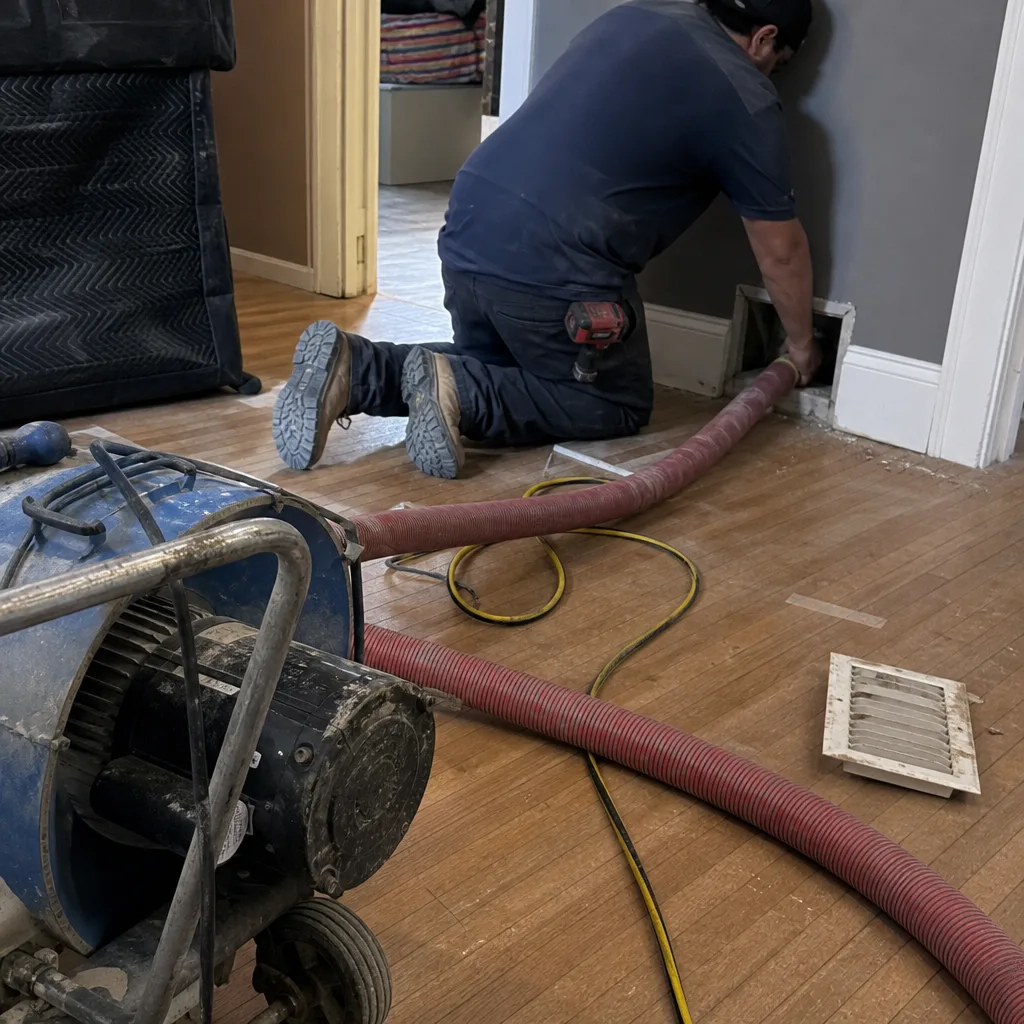 Before
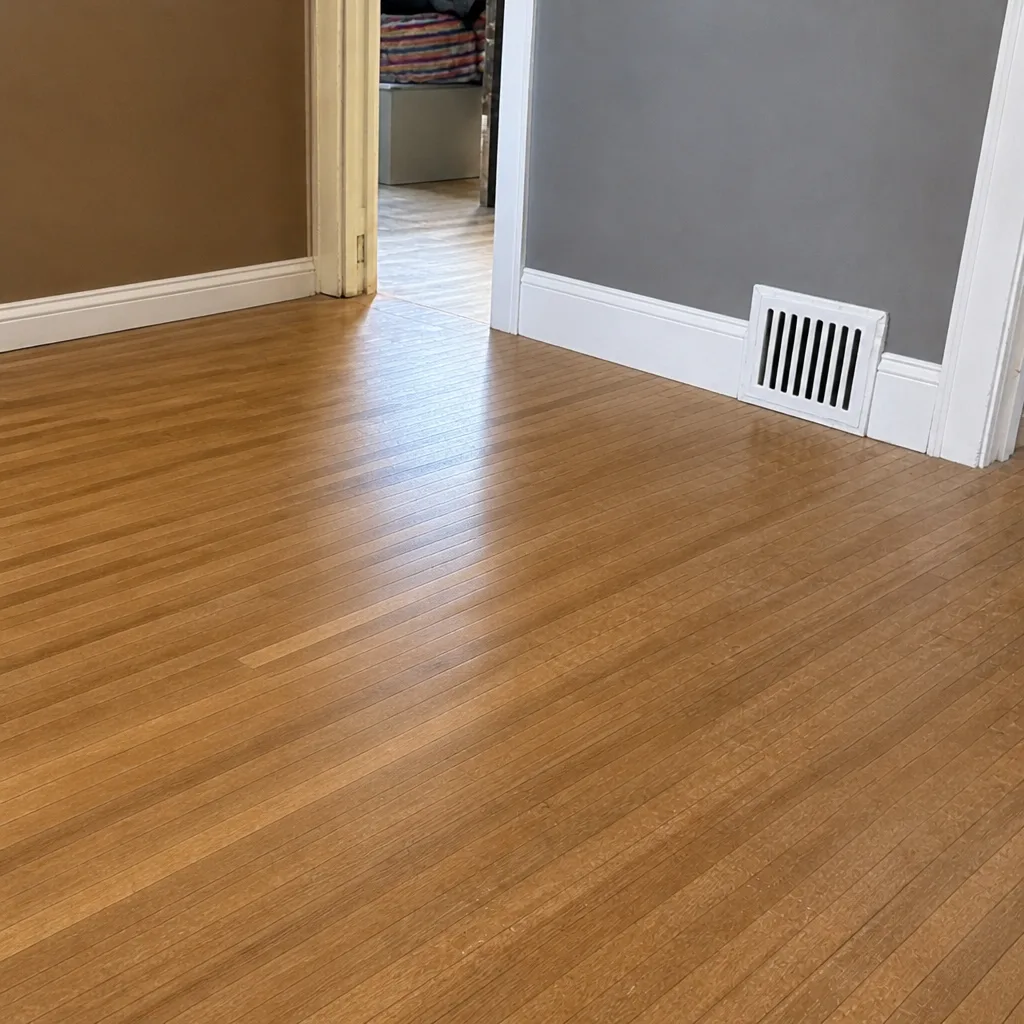 After
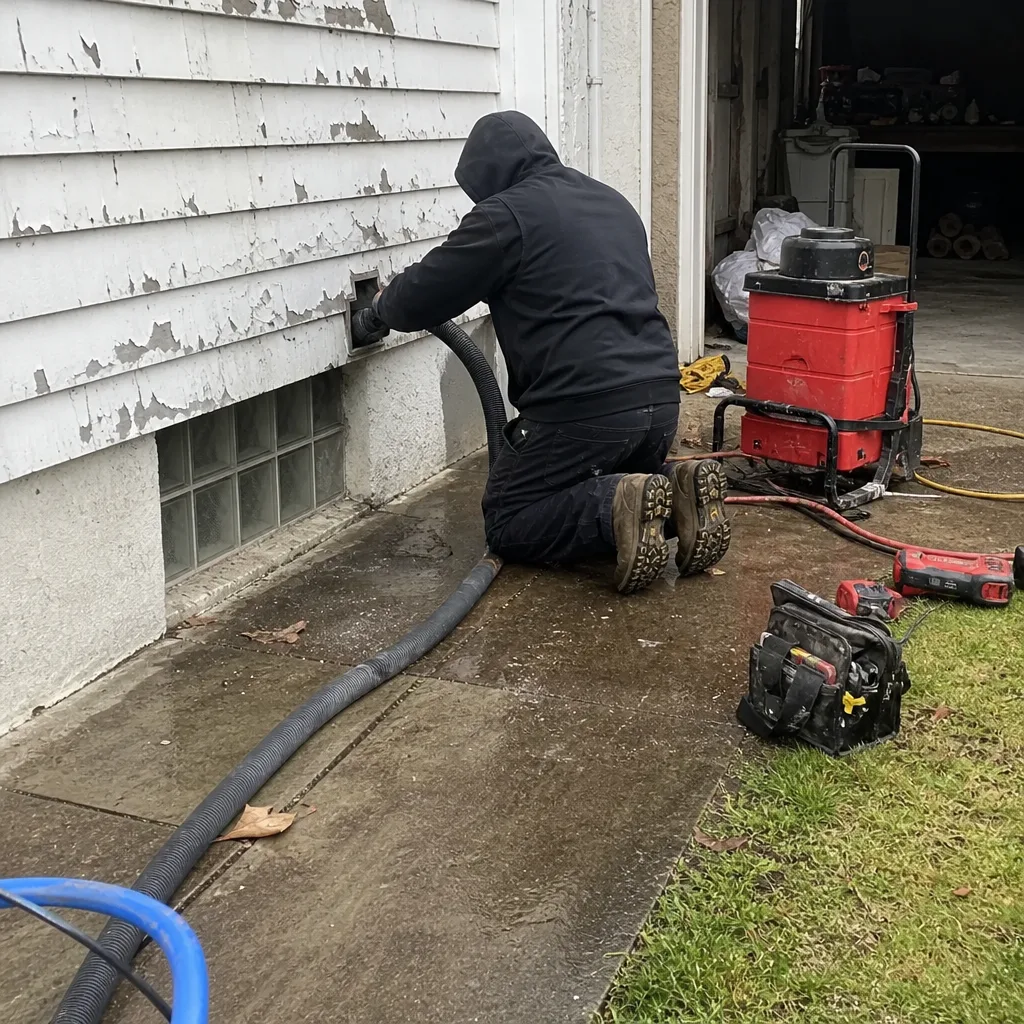 Before
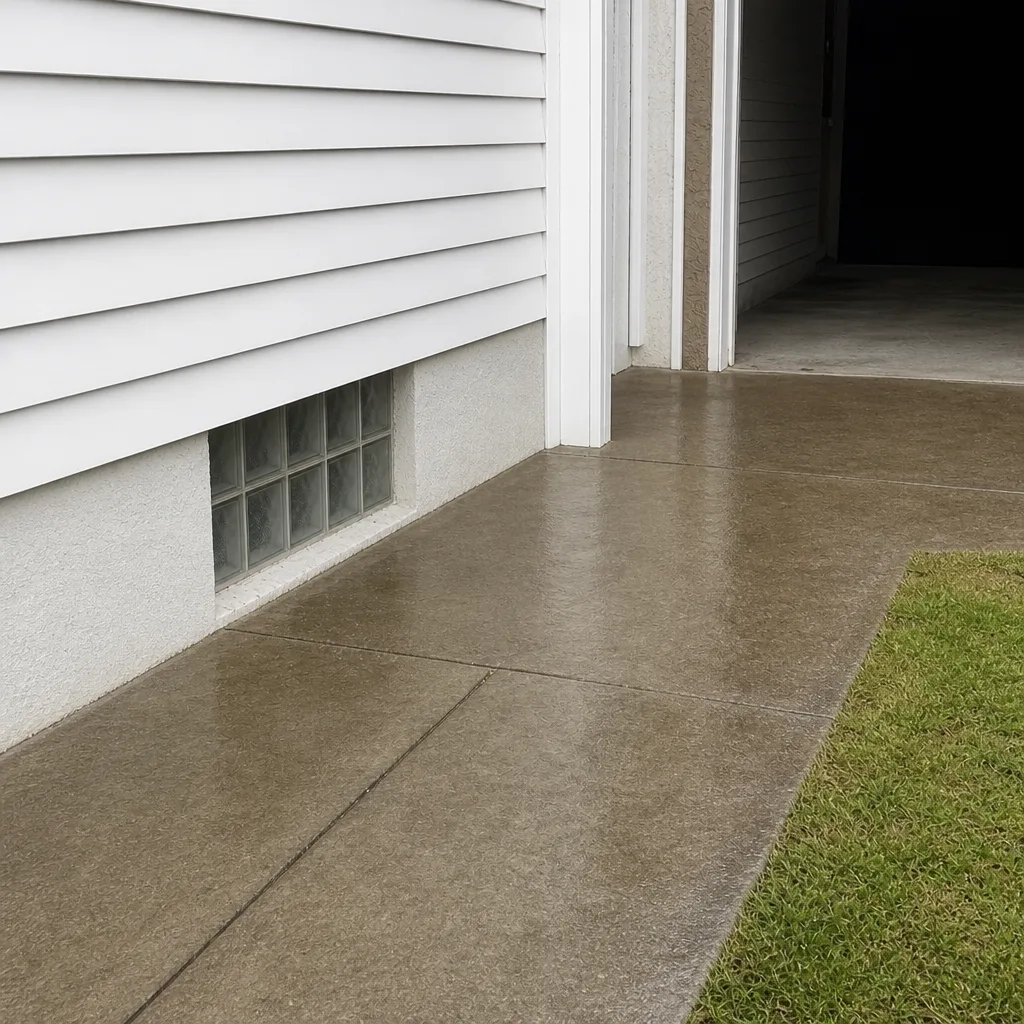 After
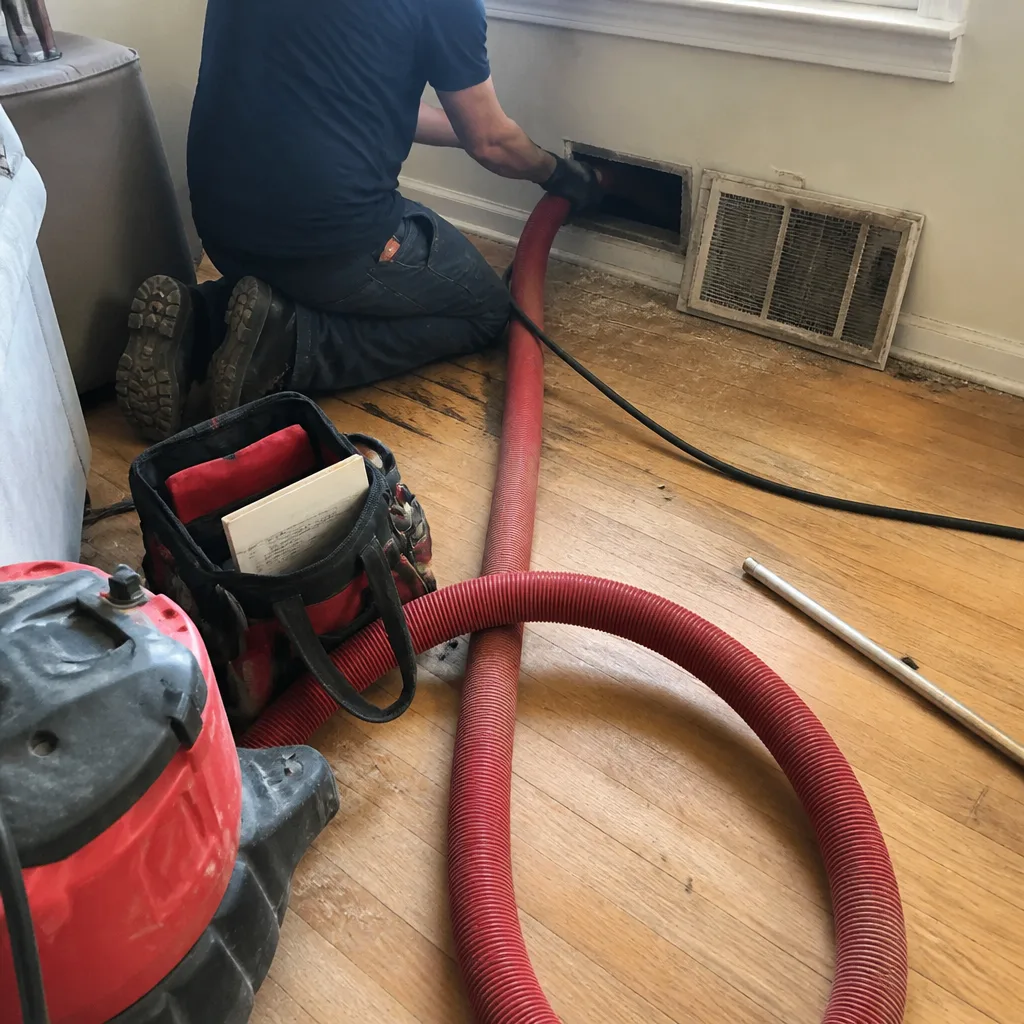 Before
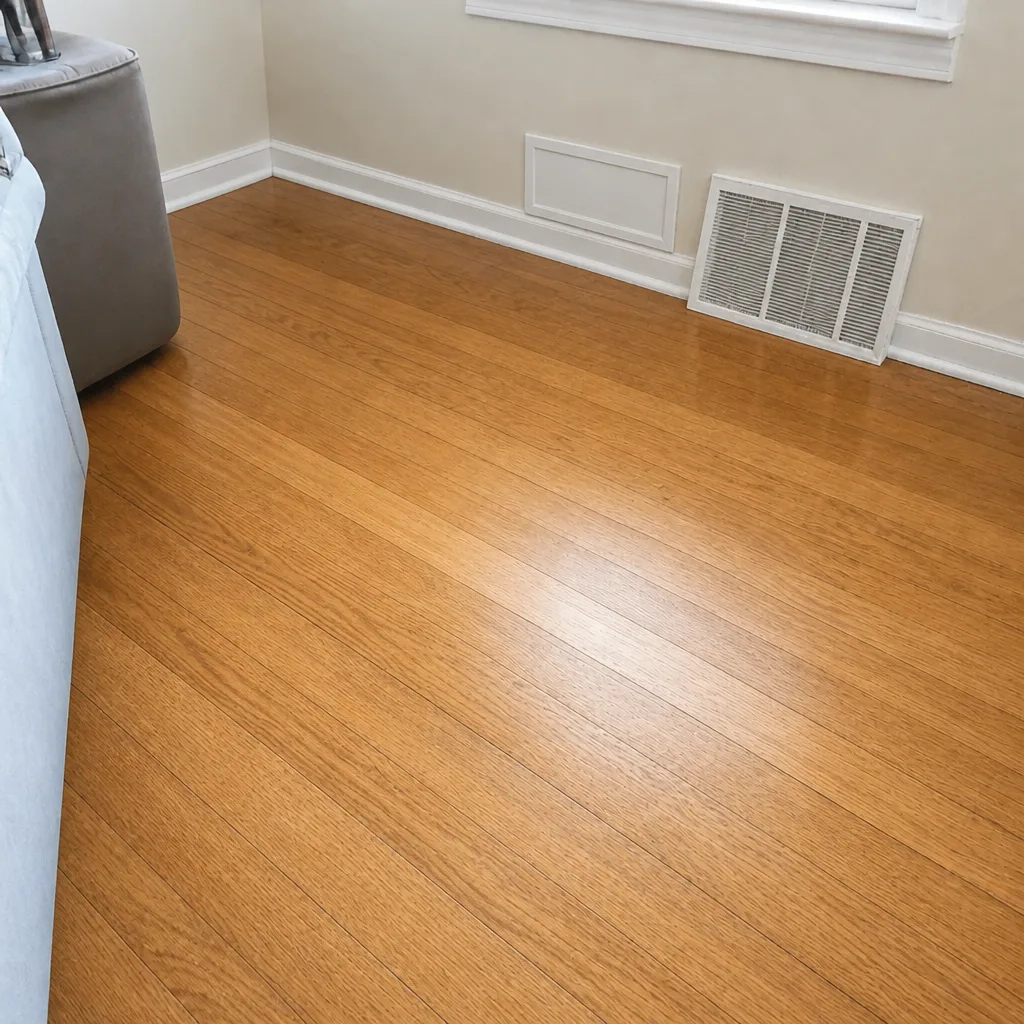 After
When to Call a Professional
Call for a professional evaluation when a room has become consistently dustier than the rest of the house, when a return grille has visible buildup and the thought of what’s behind it is uncomfortable, when there’s a musty smell that appears when the HVAC system kicks on, or when the system has gone more than a few years without a proper cleaning. Call when a technician has already found something and you need a second opinion on whether the fix is maintenance or permit-required alteration. And call when you’re a landlord who needs documentation for a rental property, because that work deserves a written record before it starts. Air Duct Cleaning North Buffalo offers free estimates in North Buffalo, and the written estimate sets the price per job before any work begins. Call (877) 379-9769. We answer 24/7. Fast dispatch from 7am to 7pm, Sunday through Friday.
Frequently Asked Questions
No. Routine air duct cleaning in North Buffalo does not require a permit under the New York State Uniform Fire Prevention and Building Code. Cleaning is treated as maintenance, not construction. What can require a permit is any duct repair, reconnection, or modification that follows the cleaning, because that work falls under the mechanical code. Call (877) 379-9769 if you’re unsure which category your situation is in; estimates are free.
The City of Buffalo Department of Permit and Inspection Services is the authority having jurisdiction for properties inside the city limits, including North Buffalo neighborhoods like Parkside and Central Park. Erie County sets some broader standards, but the permit and inspection process runs through the city. For properties in Tonawanda or Amherst, the process runs through those towns’ departments instead.
No, sealing and sanitizing products applied to duct interiors are generally treated as part of the cleaning service rather than as construction, so no mechanical permit is involved. What is required is documentation: the product name, the SDS, the EPA registration number for any antimicrobial, and the application method. Ask for this in writing before the product goes into your ducts.
Ask for a dated service record listing what was done, a copy of the SDS for any sealing or sanitizing product used, before-and-after photos of your specific ducts, and a statement of who holds any permit involved in the work. If alteration work was performed, get the inspection sign-off. Call (877) 379-9769 for an exact quote on your situation; estimates are free.
Yes. Rental property owners carry the permit and documentation responsibility, plus the warranty of habitability obligation under New York law, which is why mechanical conditions that affect health or safety deserve a written record. A tenant cannot pull a permit or authorize alteration work on the landlord’s system, and the permit for any alteration must name the owner of record, not a property manager.
Dryer vent cleaning itself is not a permit-required activity, but the vent installation must meet code requirements, which matters most when a new dryer is being installed or an existing vent is being rerouted. In an older North Buffalo home the vent run can be long or convoluted, and any alteration to the run would follow the same mechanical permit path as HVAC duct alteration. Call (877) 379-9769 for a free estimate on vent cleaning.
The Bottom Line
Routine duct cleaning in North Buffalo is permit-free, and that’s the answer most homeowners get and the answer most of them need. The line moves when the work changes from cleaning to repair, reconnection, or alteration, and that’s where the New York mechanical code and the City of Buffalo inspection process come in. Documentation is your protection in every case, whether you own the home or rent it out. Get the written scope, get the SDS and product records, get before-and-after photos of your ducts, and get a clear statement of who holds any permit that applies. That package is worth more than any verbal promise.
If your ducts need cleaning, sealing, or a serious look at what’s actually inside the system, Air Duct Cleaning North Buffalo brings professional-grade Rotobrush and Nikro equipment, Abatement Technologies filtration running on-site, and an integrated path from cleaning to repair to air quality. Call (877) 379-9769 for a free estimate. We answer 24/7. Fast dispatch from 7am to 7pm, Sunday through Friday.
Written by the team at Air Duct Cleaning North Buffalo.