
Last updated November 25, 2026
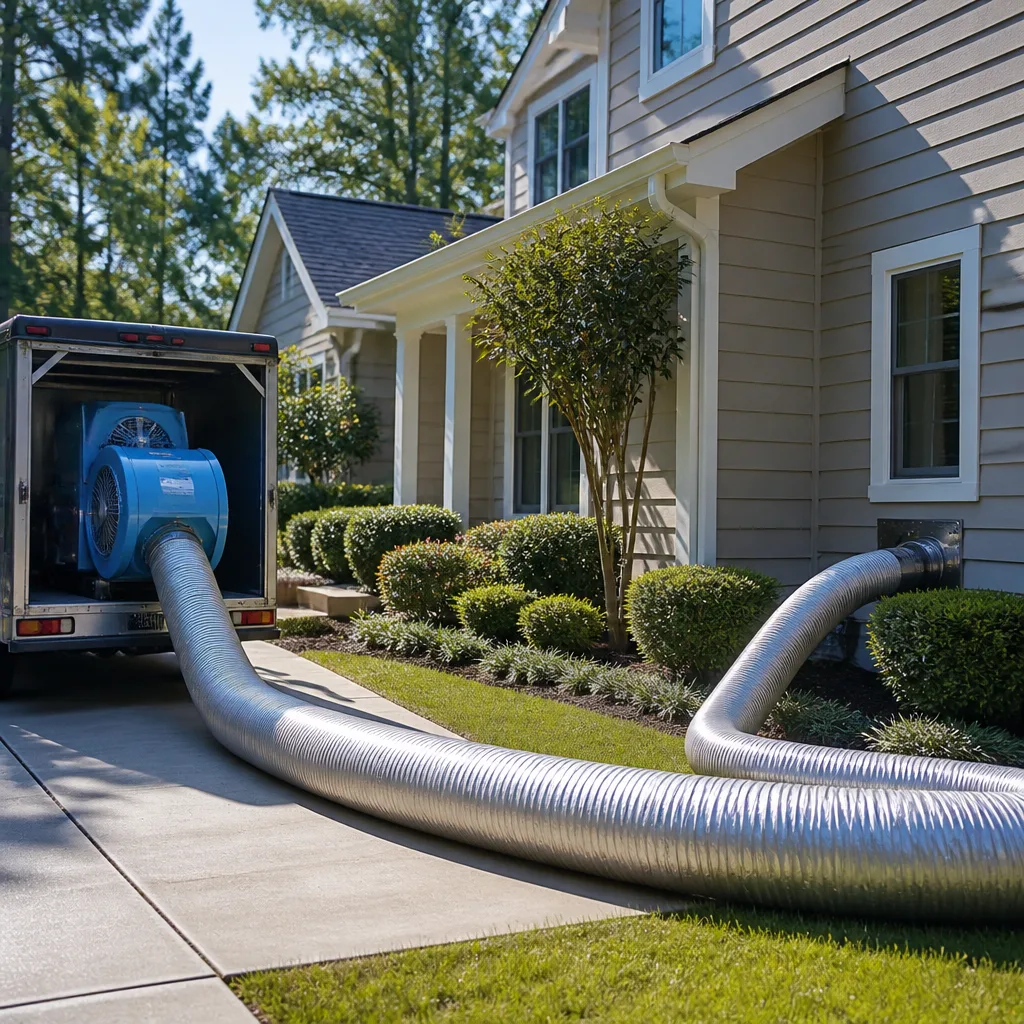 Whole-home duct cleaning
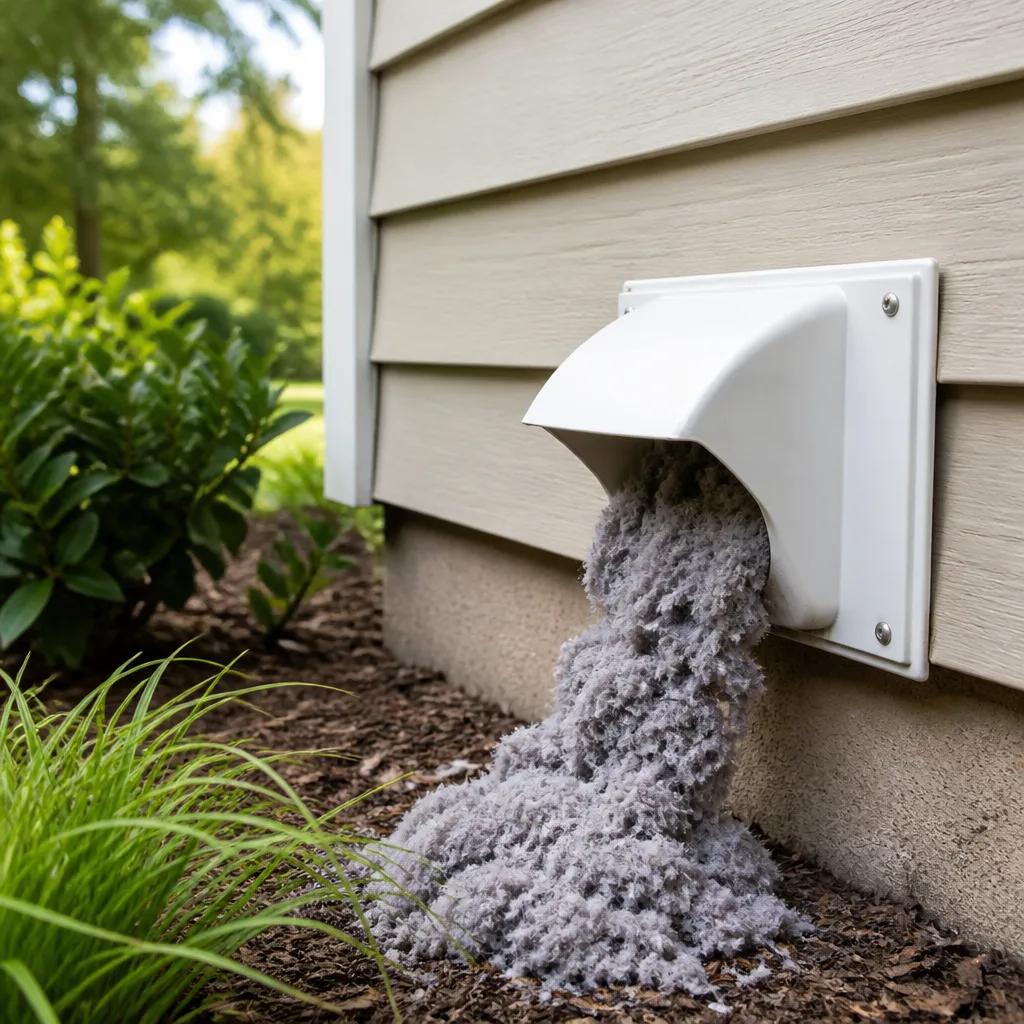 Dryer vent cleaning
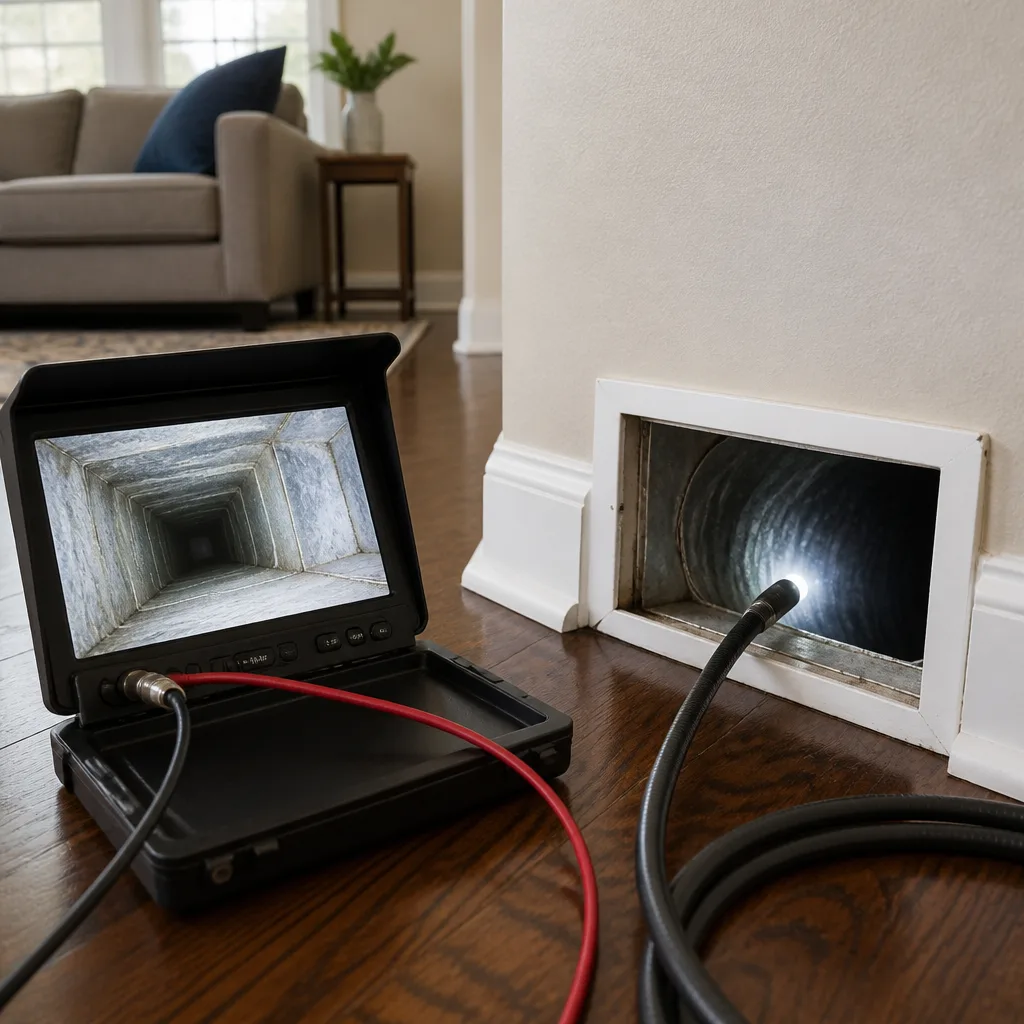 Camera inspection
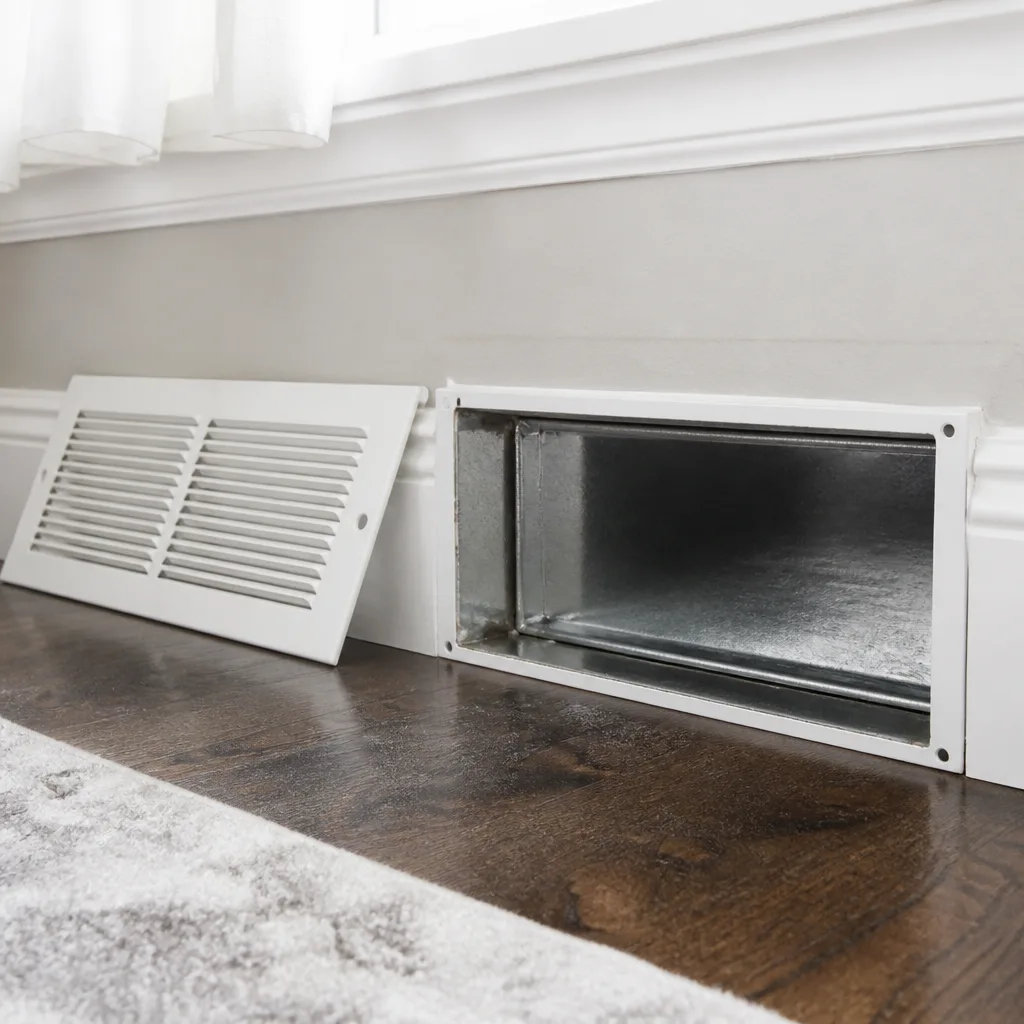 Sanitizing & deodorizing
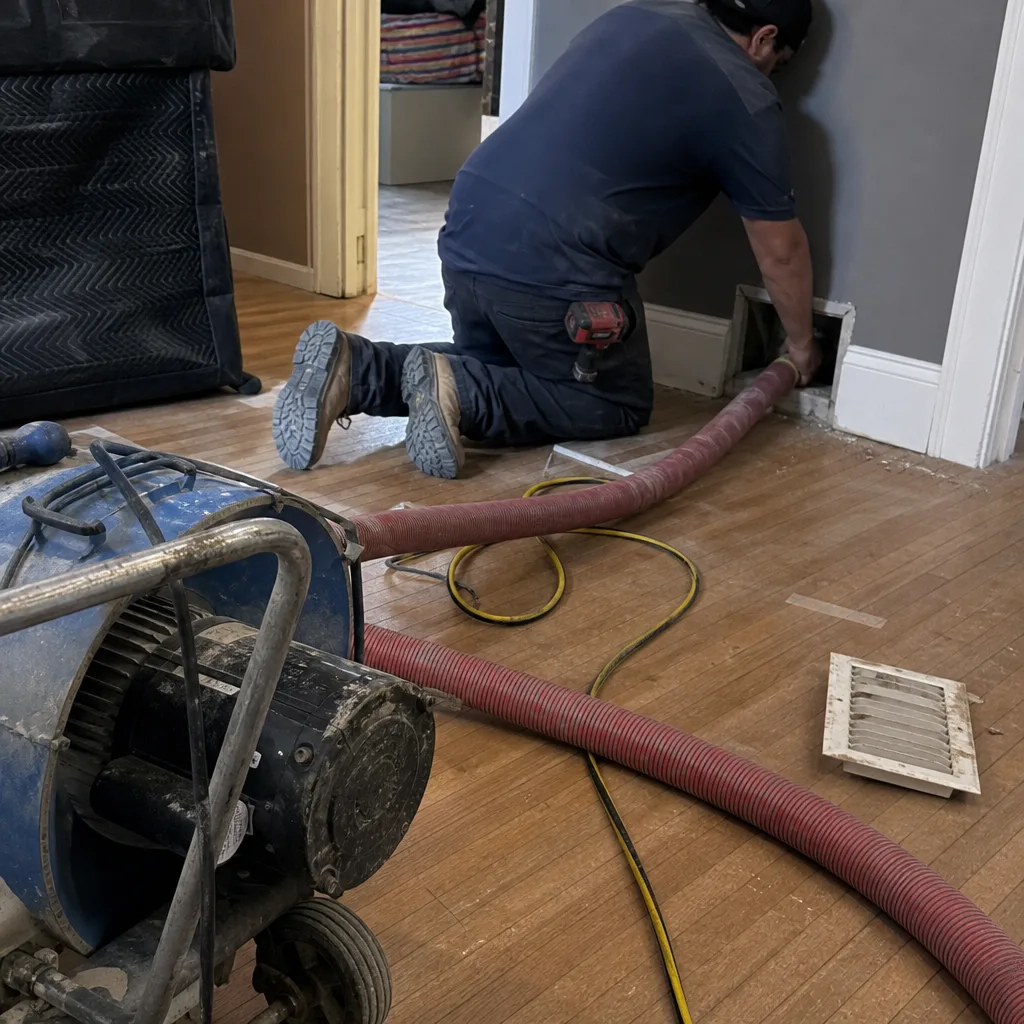
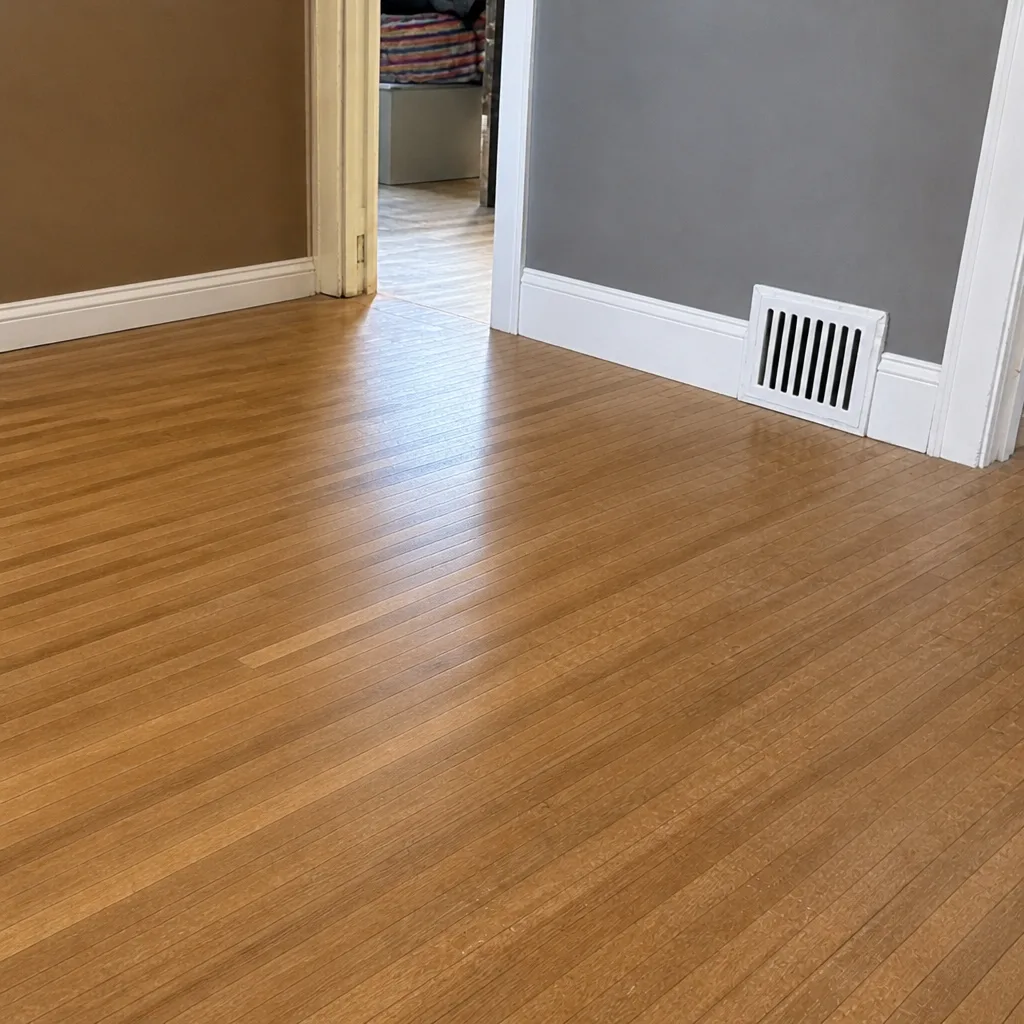
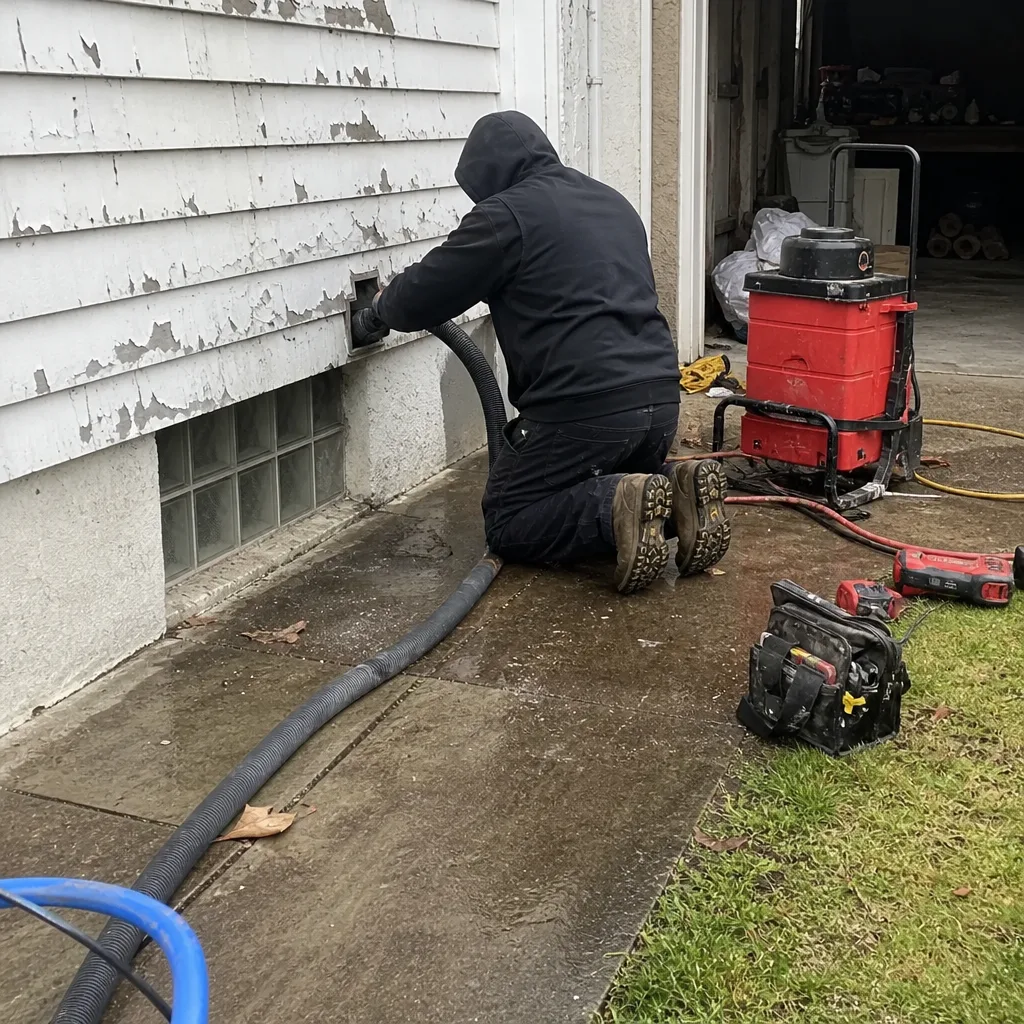
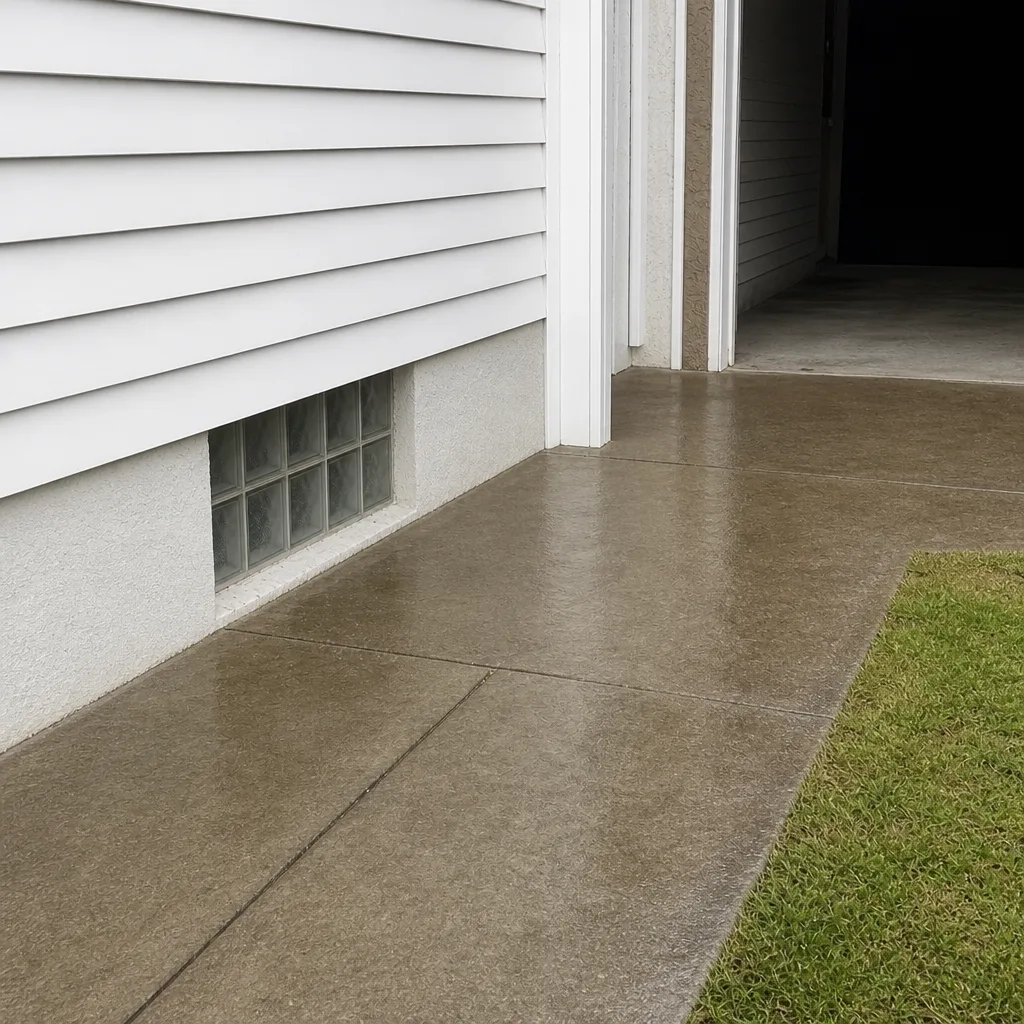
Whole-system duct and dryer vent check with before-and-after photos - you see exactly what came out of your vents
That "$99 whole-house special" is a bait ad - the real number appears once they are in your hallway, or the "clean" is a shop-vac at the register. We photograph the inside of your ducts before and after instead.
Air Duct Cleaning Warning Signs: A North Buffalo Homeowner’s Reference Guide
If one room in your North Buffalo home runs cold every January while the rest of the house is fine, your first instinct is probably to blame the furnace. It rarely is. Uneven room temperatures in a North Buffalo winter are one of the most reliable early indicators of duct restriction, and most homeowners spend years misdiagnosing them as an equipment problem, a thermostat fault, or just how the house was built. The signals that matter are subtle and system-level, not the obvious dust cloud on the return grille. This guide walks through the quiet indicators, explains what each one actually tells you about the ductwork you can’t see, and shows you which inspection points you can check yourself. By the end you’ll know how to read your own system instead of guessing.
Quick Answer
The most reliable signs you need duct cleaning in North Buffalo are uneven room temperatures that persist after furnace service, a musty smell on the first heat-up of the season, worsening allergy symptoms that peak in winter rather than spring, utility bills climbing without a rate increase, and visible dust streaking around supply registers. Any one of these is worth investigating. Two or more together usually indicate accumulated debris or a restriction somewhere in the accessible or concealed duct runs, and a professional inspection is the only way to confirm it.
Styles & brands we work with
- Whole-home duct cleaning
- Dryer vent cleaning
- Camera inspection
- Sanitizing & deodorizing
Table of Contents
- Why Uneven Heating Is a Duct Signal, Not a Furnace Problem
- What That Musty Smell on First Heat-Up Really Means
- Why Winter Allergies Point to Your Ducts
- Reading Your Utility Bill Trends as a Duct Indicator
- Seven Inspection Points You Can Check Yourself
- Signals From the Ductwork You Can’t Reach
- The Warning Sign Most Homeowners Ignore: The Dryer Vent
Why Uneven Heating Is a Duct Signal, Not a Furnace Problem
A furnace that produces heat evenly will still deliver that heat unevenly if the ductwork feeding each room is restricted. The furnace doesn’t know the difference between a comfortable house and a cold back bedroom, because it’s measuring temperature at the heat exchanger, not at your living room. That’s the gap most homeowners never close. A room that’s consistently several degrees cooler than the thermostat setting may sit at the end of a long run, behind a partially collapsed flex section, or beyond a branch that’s loaded with years of accumulated dust and lint.
North Buffalo’s housing stock makes this more common than it might sound. Many of the homes in the neighborhoods off Hertel Avenue and around Delaware Park have ductwork that’s been modified, extended, or rerouted over the decades as rooms were added, finished, or reconfigured. Each change introduces another opportunity for a restricted run, a disconnected section, or a poorly sealed joint. The distribution system that worked smoothly for the original layout can become unbalanced once the house around it changes.
Here’s how to tell a duct problem from an insulation or equipment problem:
- Duct restriction: The affected room is cold in winter and warm in summer, the airflow at its registers feels weak compared to other rooms, and the problem persists after a furnace tune-up.
- Insulation problem: The whole room feels cold, including floor and exterior walls, and the register airflow is normal. This is a thermal envelope issue, not an air delivery issue.
- Equipment problem: Multiple rooms are affected at once and the supply airflow is weak everywhere. That points to the blower or the main trunk, not a single branch.
If a furnace service technician has already confirmed the equipment is running correctly and one room still won’t warm up, the ductwork is the remaining variable. That’s when a proper inspection pays for itself in diagnostic clarity alone.
What That Musty Smell on First Heat-Up Really Means
Every fall, the first time the furnace fires up after a warm-weather break, some North Buffalo homes fill with a smell that gets described as dusty, musty, or faintly sour. Some of that is normal and fades within a few cycles. A smell that lingers, strengthens, or returns every time the system runs is a different matter. It usually indicates microbial activity in the duct interior, and the timing tells you why.
Heating ducts sit largely unused through the warmer months. In a North Buffalo summer, humidity in a closed house can climb, and the duct interior provides a dark, enclosed, temperature-stable environment. Dust, skin cells, pet dander, and lint settle there and hold moisture. Given enough time, that’s a recipe for growth on the duct walls. When the system runs again in the fall, warm air moves across those surfaces and carries the smell into every room the ductwork serves.
What to listen for in the smell itself:
- Dusty and dry: Often just settled dust burning off the heat exchanger. Usually fades in the first few days.
- Musty or damp: Points toward moisture and biological growth in the ductwork. Worth investigating.
- Sour or like stale laundry: Frequently indicates a wet section, an improperly sealed joint letting in humid air, or condensation near a cooling coil.
Our experience is that musty odors are one of the most under-reported signals we encounter. Homeowners adapt to them, decide that’s just how the house smells in October, and live with it for years. The remedy isn’t air freshener. It’s getting the interior of the system cleaned and then taking a hard look at where moisture is getting in. Sealing and repair often matter as much as the cleaning itself, because a duct that let water in once will do it again.
Why Winter Allergies Point to Your Ducts
If the allergy symptoms get worse in January and February rather than in spring, your ducts are the more likely source than anything blooming outdoors. This runs against the way most people think about seasonal allergies, which is why the signal gets missed so often. In winter, windows stay closed for months. The forced-air system recirculates the same air through the same ductwork, and whatever has accumulated there stays in the loop.
Consider what the season actually changes. In summer, windows open, outdoor air dilutes indoor contaminants, and the system runs less. In a North Buffalo winter, the house is sealed tight against the cold, the furnace runs constantly, and the volume of air moving through the ductwork increases dramatically. Every hour of furnace operation is another pass of air over the duct walls. If those walls are coated with settled debris, the air picks up particles with every cycle.
Signals that specifically connect worsening symptoms to the ductwork rather than to a cold or a dry-air issue:
- Symptoms improve when you’re away from the house for several days and return when you come back.
- The bedroom where symptoms are worst is also the room with the weakest airflow or the most visible dust.
- Symptoms track with the heating season and ease when the furnace stops running in spring.
- Dust collects faster on surfaces in the rooms served by the ducts you suspect.
Leaky ductwork makes this worse. A poorly sealed return can pull air from a crawl space, a basement, or an unheated attic zone and deliver it into the occupied rooms. Cleaning helps, and sealing the leaks matters just as much, which is why we treat the two as connected work.
Reading Your Utility Bill Trends as a Duct Indicator
A rising utility bill with no rate change and no change in how you use the house is a legitimate warning sign, and most people never connect it to their ductwork. Restricted or leaky ducts make the system work harder to deliver the same comfort. The blower runs longer, the furnace cycles more, and the energy cost of moving conditioned air through a compromised pathway climbs quietly.
The reason this signal is easy to miss is that it’s gradual. You don’t get a single dramatic bill. You get a trend. The fix is to compare the same months across a few years rather than looking at one bill in isolation. If this January’s bill is meaningfully higher than last January’s while the weather was similar and your habits haven’t changed, that gap is worth explaining. It could be a failing appliance, a duct restriction, or leaky ducts letting conditioned air escape before it reaches the living space.
How to read the trend sensibly:
- Compare like months, not consecutive months. Winter against winter, not January against October.
- Note whether the increase started abruptly or crept up over several seasons.
- Cross-check the comfort symptoms. A rising bill plus a cold bedroom is a much stronger signal than either alone.
- Rule out the easy explanations first: filter changes, thermostat schedule, a new appliance in the house.
The bill is a proxy, not proof. It tells you the system is working harder and gives you a reason to look. The inspection tells you why. For a house with multiple symptoms stacking up, that inspection is usually the fastest route to an answer.
Seven Inspection Points You Can Check Yourself
You don’t need tools or training to gather useful information about your own system. These are the accessible inspection points most homeowners can reach without opening anything up, and each one tells you something about the duct sections you can’t see.
- Supply registers: Run your hand or a thin strip of tissue near each register while the system runs. Weak airflow at one register and strong at another points to a restriction on that branch. Dust streaking around the grille edges suggests debris collecting where the duct meets the boot.
- Return grilles: Remove the grille if it lifts off easily and look at the visible duct interior with a flashlight. Heavy dust buildup on the walls right there is a reasonable hint that the concealed sections are similarly loaded.
- The visible flex duct in the basement or attic: Look for crushed, kinked, or separated sections. Any of those restricts airflow and is a repair job, not just a cleaning one.
- Filter condition: A filter that seems dirty again quickly after replacement suggests the system is moving more debris than a filter should have to catch. That’s a sign worth noting.
- Dust patterns on furniture: Dust that resolves after a room is cleaned and returns quickly, especially in rooms with strong airflow, suggests the air itself is carrying new material.
- Observe the first heat-up: Note the smell and how long it takes to fade. That observation on its own gives an inspector useful information.
- The dryer vent: Check the exterior vent flap. Weak or no airflow while the dryer runs, or lint visible around the connection behind the unit, is a warning sign of its own and a serious one.
None of these confirm duct condition on their own. What they do is build a picture. Our experience is that homeowners who’ve done this quick walkthrough and can describe what they found get more out of an inspection, and the inspection itself has better starting points.
Signals From the Ductwork You Can’t Reach
The parts of the duct system that matter most are almost always the parts you can’t see: the trunk runs, the branch joints behind finished walls, the sections running through the basement ceiling or the space above a second-floor ceiling. Homeowners can’t check these, and no amount of flashlight work at the registers tells you what’s happening eight feet into a concealed run. This is where professional equipment does something a consumer vacuum can’t.
What a proper inspection involves:
- Mechanical agitation: A rotary brush system like our Rotobrush equipment works the walls of the duct, not just the air passing through it. Dust that’s bonded to a duct wall through static and moisture needs mechanical action to lift it.
- Negative pressure containment: Our technicians use Nikro negative-air machines to hold the dust inside the system while it’s being disturbed. Without that, dislodged debris simply moves elsewhere in the house.
- Filtration: We use Abatement Technologies air filtration equipment to capture what gets dislodged, rather than relying on a shop vacuum or a hose taped to a window.
- Before-and-after photography: You should see the condition of the inside of your ductwork before and after the work. Photos are how you know the job happened, not just the invoice.
If you’ve done the accessible checks and the picture doesn’t add up, or the symptoms point to a part of the system you can’t reach, that’s the point at which a professional air duct cleaning appointment makes sense. Air Duct Cleaning North Buffalo works in homes across this neighborhood and can look at the whole pathway in one visit.
The Warning Sign Most Homeowners Ignore: The Dryer Vent
A dryer that takes two cycles to dry a load, or an exterior vent flap that barely lifts, is one of the most serious warning signs in the whole house, and it’s frequently treated as a minor annoyance. Lint is highly combustible, and it collects in the dryer vent just the way dust collects in a heating duct. The difference is what happens when it ignites. This is why we treat dryer vent cleaning as its own service and not an add-on.
Signs the dryer vent needs attention:
- Clothes take longer than one cycle to dry, more than once.
- The top of the dryer or the laundry room feels unusually warm or humid while it runs.
- The exterior vent flap doesn’t open fully, or nothing appears to be moving when you check it.
- Lint accumulates visibly around the connection at the back of the appliance.
The heating side and the drying side of the house both move lint-heavy air through a confined duct. The cleaning job is the same idea: agitate, contain, remove, and then look at whether the duct itself needs repair or resealing. We approach dryer vents with the same equipment and the same seriousness as the heating system, because the risk here justifies it.
Common Mistakes to Avoid
- Assuming a cold room is a furnace problem. North Buffalo homeowners spend years and successive service calls chasing an equipment problem that turns out to be a restricted branch duct. Confirm the equipment first, then look at the pathway.
- Treating musty odors as a fact of life. A smell that returns every October is telling you something. Masking it with a plug-in or a candle leaves the source intact.
- Judging duct condition by the filter alone. A dirty filter tells you dust exists. It doesn’t tell you what’s bonded to the duct walls eight feet into a concealed run.
- Skipping the inspection because symptoms are mild. Uneven rooms and small bill increases are exactly the early signals the guide covers. Waiting for a dramatic failure means the system has been strained for years.
- Having a section repaired without checking the rest. A disconnected flex joint isn’t usually isolated. If one section failed, the neighboring joints deserve a look in the same visit.
- Ignoring the dryer vent through a busy winter. Long dry times and a lazy vent flap are easy to push aside in January. The risk doesn’t take the season off.
- Hiring on the lowest quote alone. Ask what equipment will be used and whether the price covers the whole system. A quote in two parts, with one part hidden, is not the price you’ll pay.
When to Call a Professional
Call a professional when two or more of the signals in this guide appear at the same time, when a room’s temperature problem persists after a verified furnace service, or when the smell or the allergy pattern gets worse rather than stabilizing. Call when you’ve done the self-checks and the results point toward duct runs you can’t reach, or when a visible flex section shows crushing or separation. Call if the dryer vent shows any of the signs above, no matter how mild they seem.
We look at the whole pathway: the ducts, the heating and cooling system, the sealing and repair needs, and the dryer vent, as one connected system rather than five separate line items. Air Duct Cleaning North Buffalo offers free estimates in North Buffalo. Call (877) 379-9769. We answer 24/7. Fast dispatch from 7am to 7pm, Sunday through Friday.
Frequently Asked Questions
Uneven room temperatures that persist after furnace service are usually the first measurable sign, often followed by a musty odor on the first heat-up of the season. A rising utility bill without a rate change and worsening allergy symptoms in winter are the other early indicators. Any two of those together justify an inspection.
Not always, but often. A dusty smell that fades after a few cycles is normal. A musty smell that lingers, strengthens, or returns every time the furnace runs usually points to microbial growth on the duct interior, which builds up over the warm months when the system sits idle. Cleaning plus sealing the moisture path is the usual remedy.
Because the house is closed and the forced-air system recirculates the same air all season. Whatever has accumulated in the ductwork stays in the breathing loop, and the furnace runs far more than it does in summer. If symptoms ease when you’re away for a few days, that pattern is one worth investigating.
Yes. Restricted or leaky ducts make the blower and furnace work harder to deliver the same result. The increase is usually gradual, so compare the same months across a few years rather than looking at one bill. A rising trend paired with a cold room is a strong signal.
Mechanical agitation, negative-pressure containment, and filtration. That means a rotary brush system like the Rotobrush, a negative-air machine such as the Nikro units we use, and filtration equipment like Abatement Technologies products. If a quote describes a hose and a vacuum, ask what happens to the debris that gets dislodged.
Often, yes. Cleaning a duct that has a disconnected joint, a crushed flex section, or a failed seal means the ducts stay dirty and the system keeps wasting energy. We seal what we clean. The repair work isn’t an upsell; it’s the part that makes the cleaning last. Our technicians have up to 9 years of experience with this. Call (877) 379-9769 for a free estimate and we’ll tell you which you need.
The Bottom Line
The reliable duct warning signs aren’t dramatic. They’re a cold bedroom that has been cold for years, a smell you’ve stopped noticing, allergies that now peak in January, and a bill that keeps creeping up. Those are signals about restriction, contamination, and system strain, and they’re all readable if you know what to look for. Do the accessible walkthrough, compare your bill across seasons, and note what you find. If two or more signals stack up, get the whole pathway inspected, including the dryer vent. HVAC cleaning and duct work together keep the system delivering what you’ve paid for. Call (877) 379-9769 for a free estimate. We answer 24/7. Fast dispatch from 7am to 7pm, Sunday through Friday.
Written by the team at Air Duct Cleaning North Buffalo.
See the difference
 Before
 After
 Before
 After
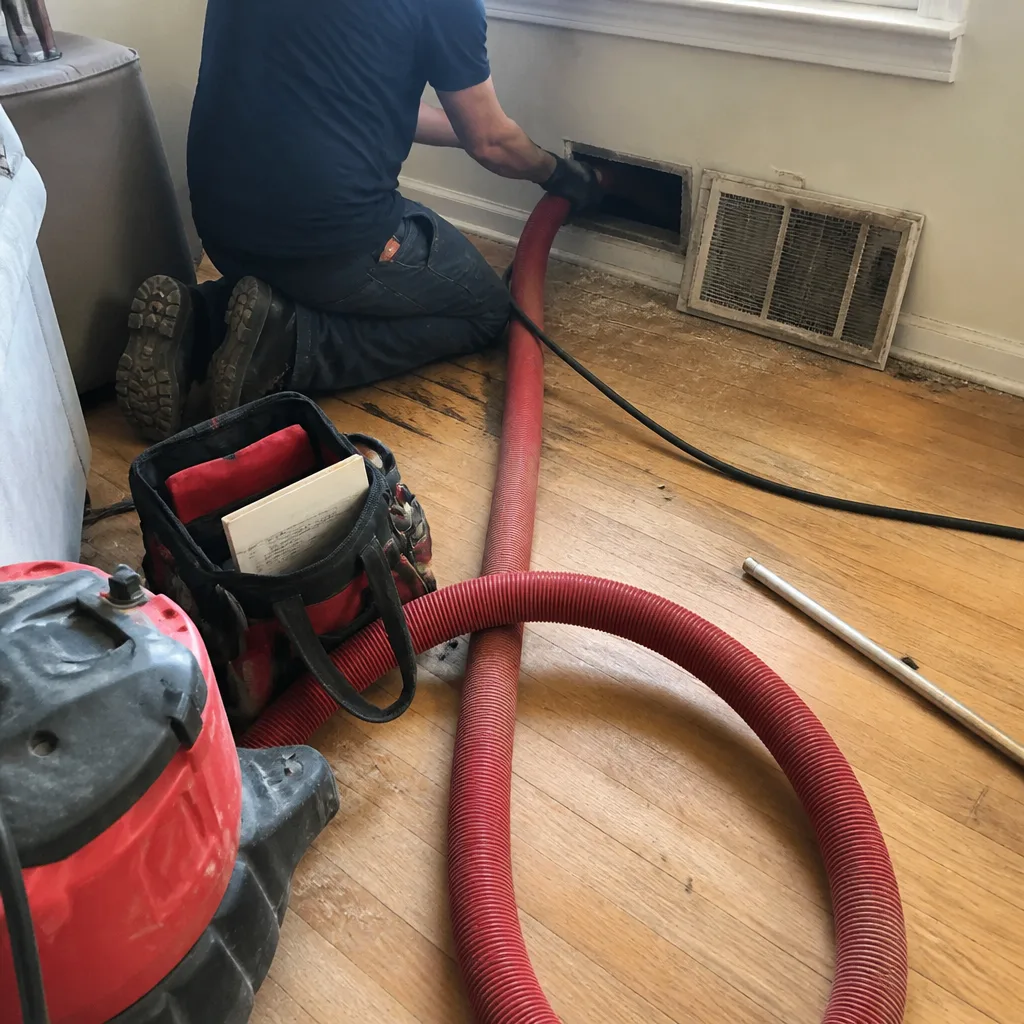 Before
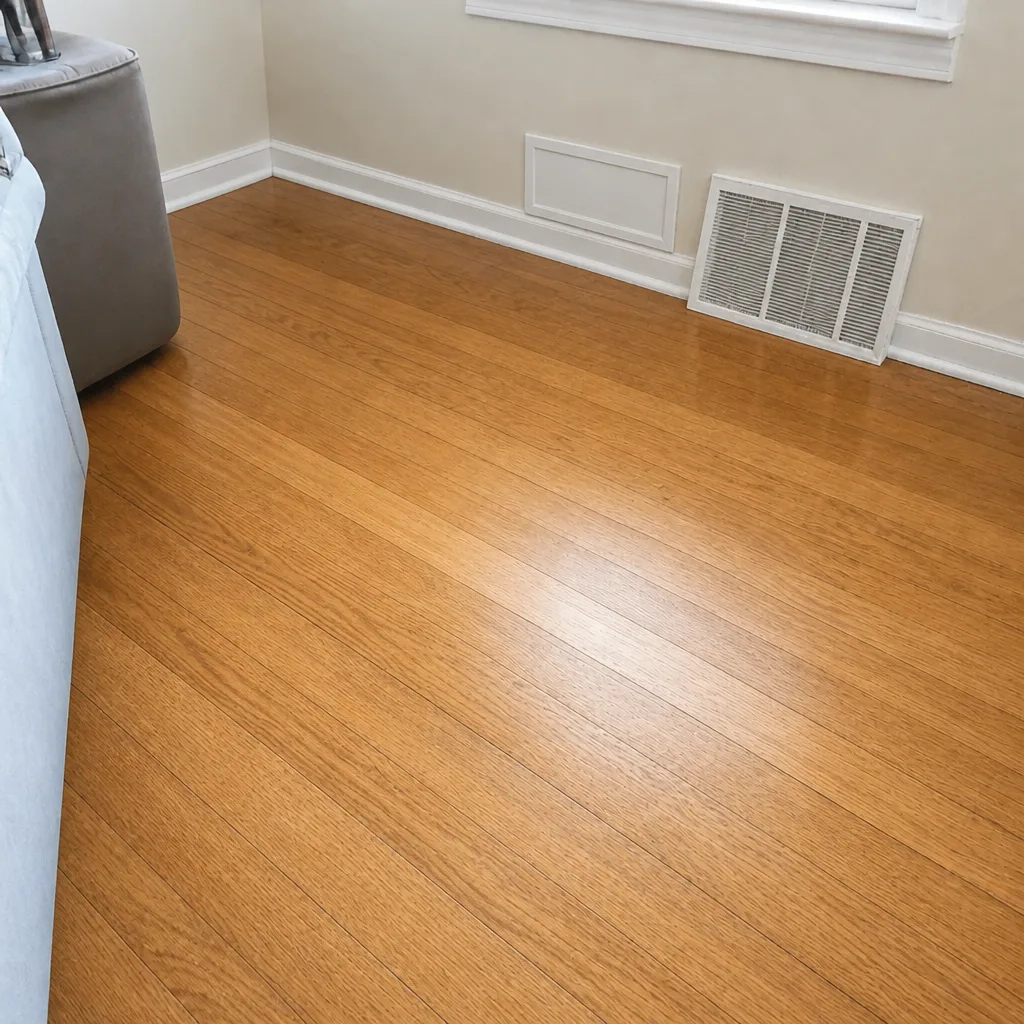 After