
Last updated November 25, 2026
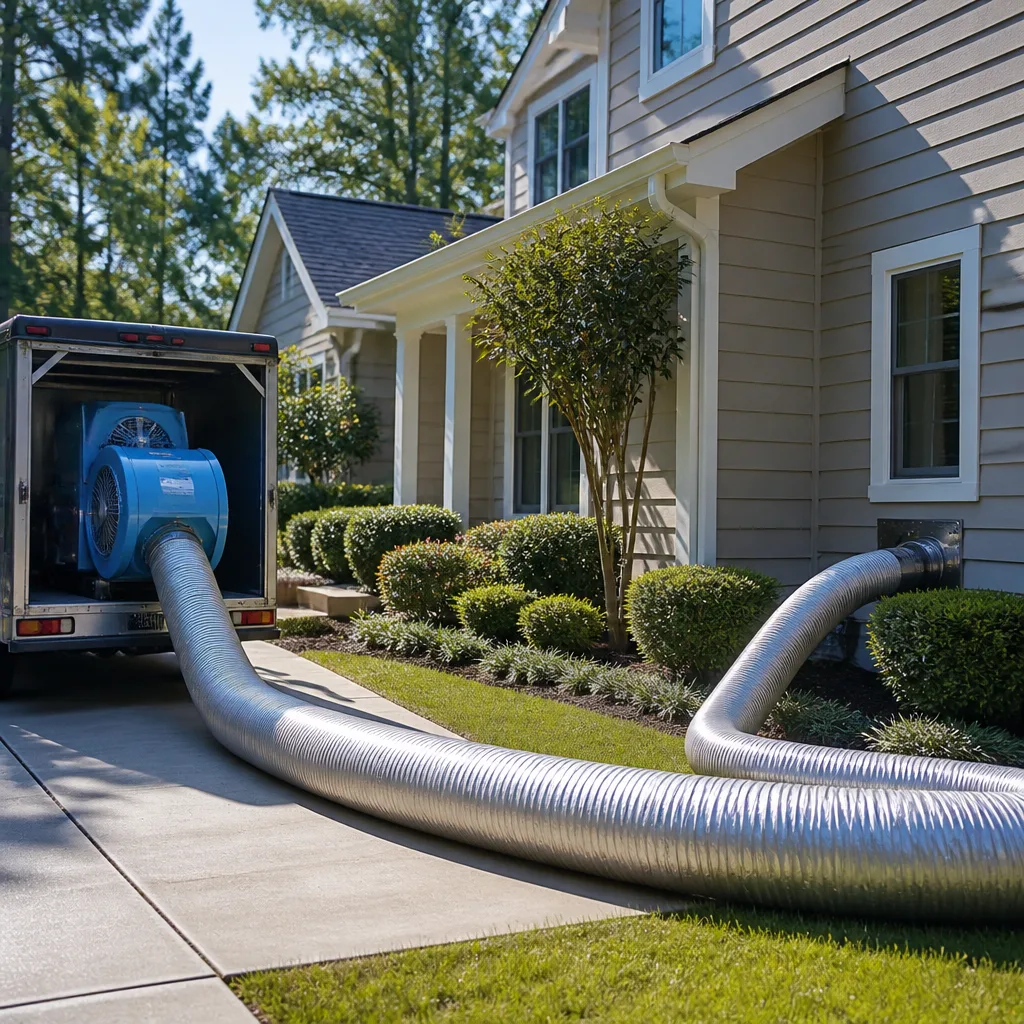 Whole-home duct cleaning
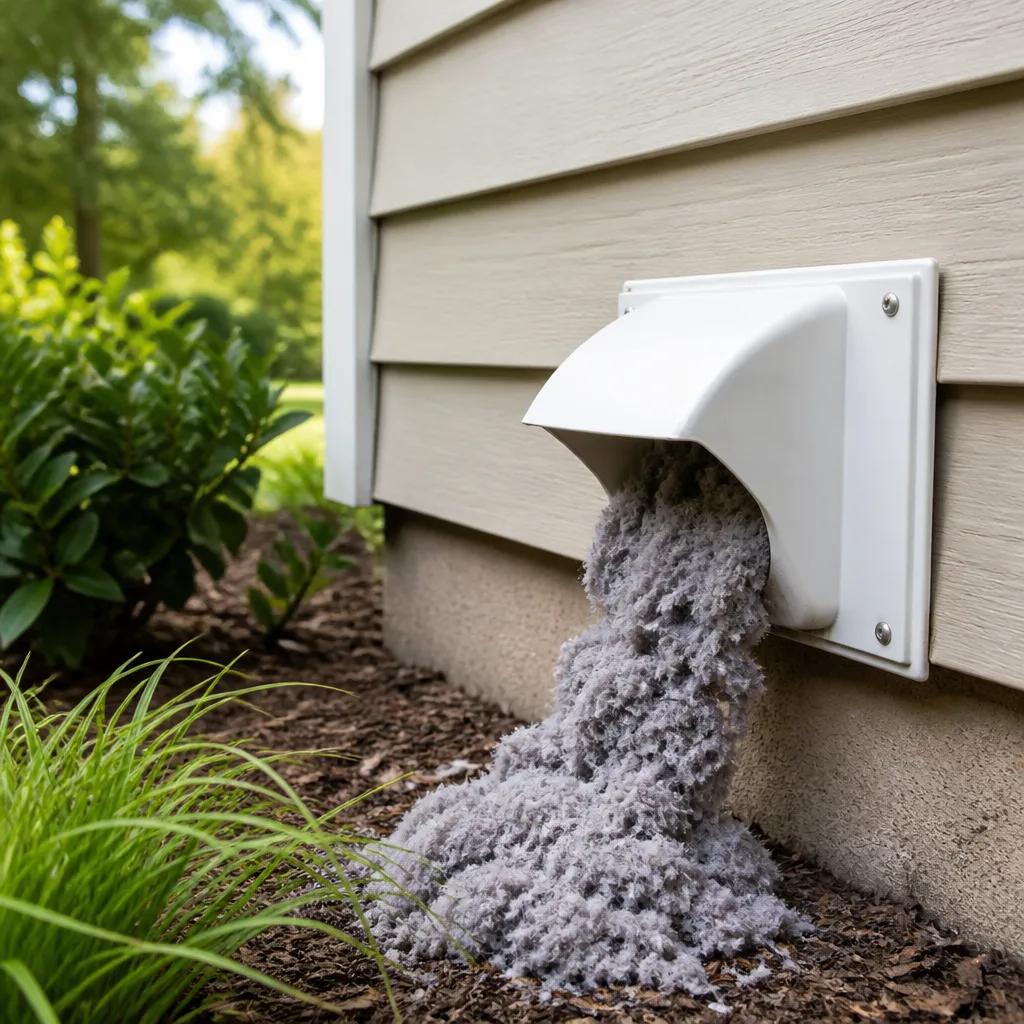 Dryer vent cleaning
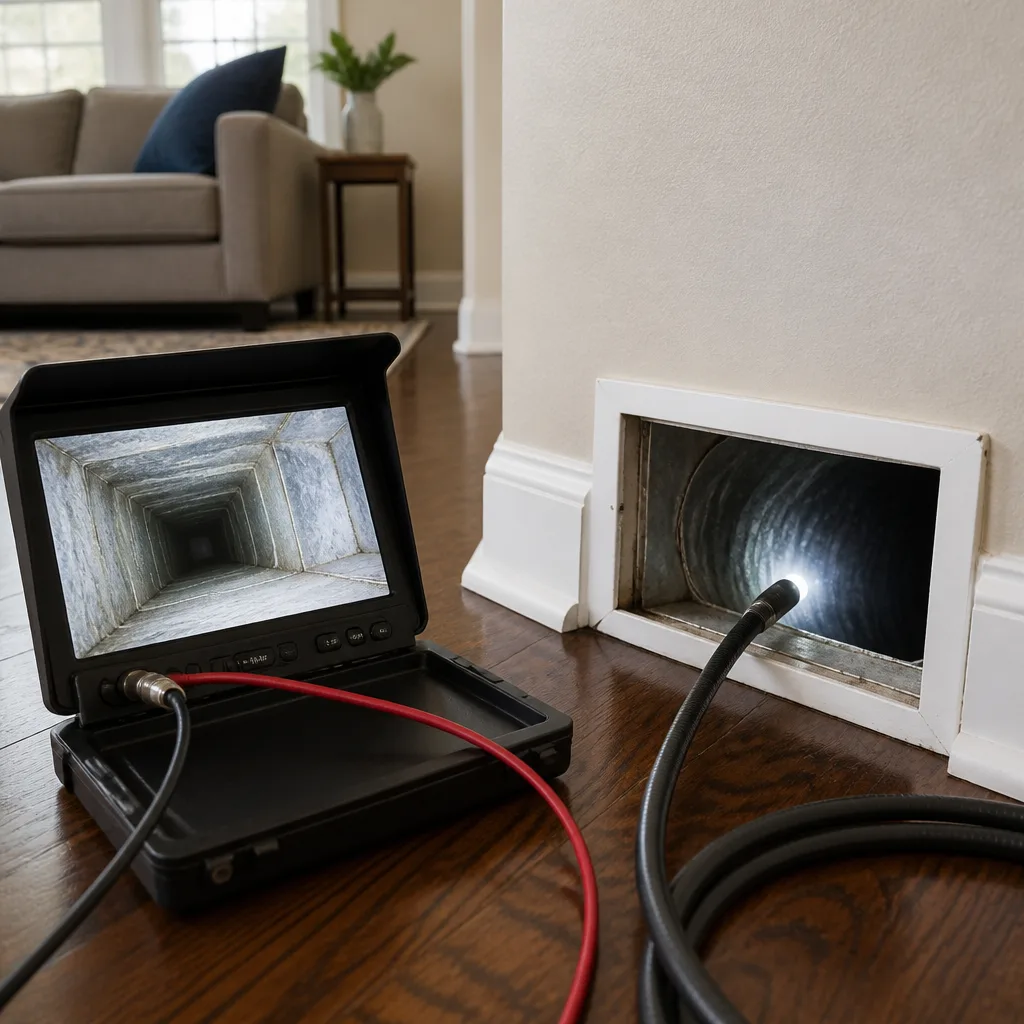 Camera inspection
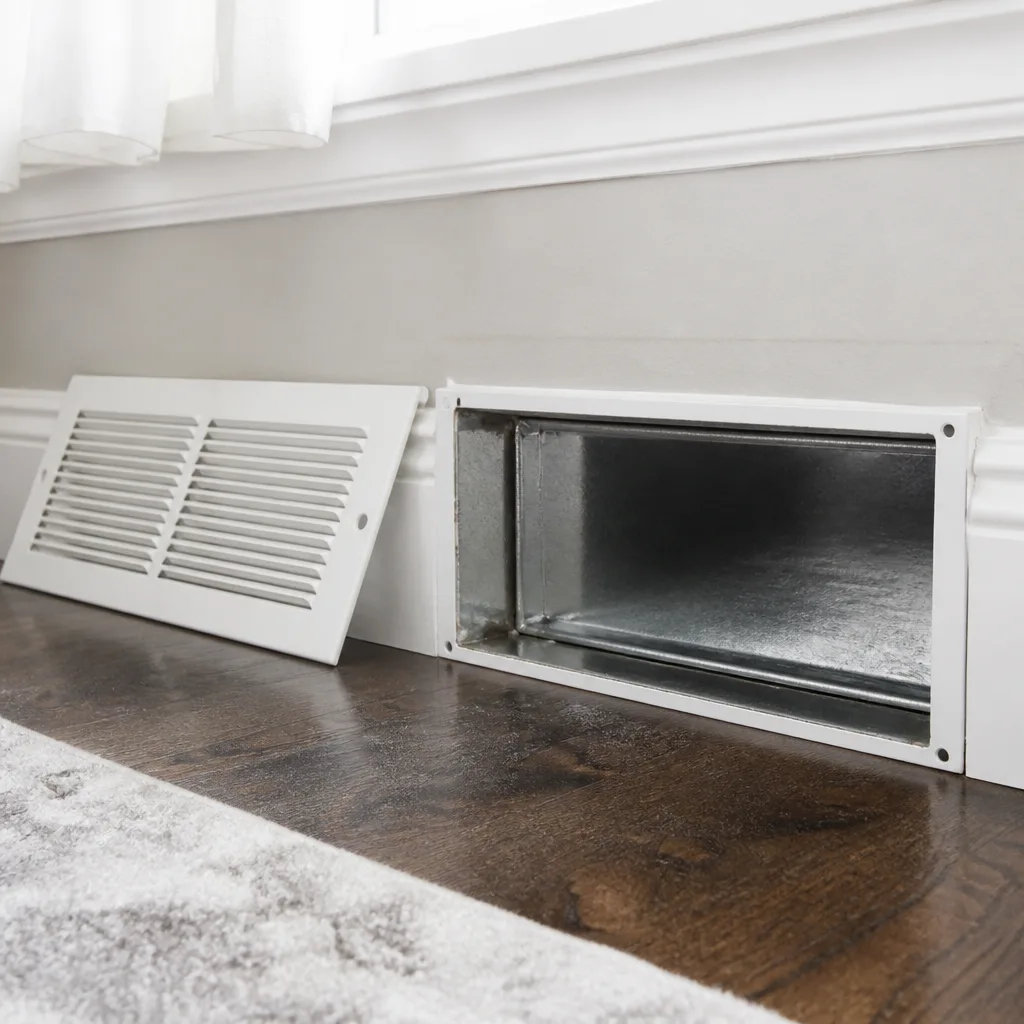 Sanitizing & deodorizing
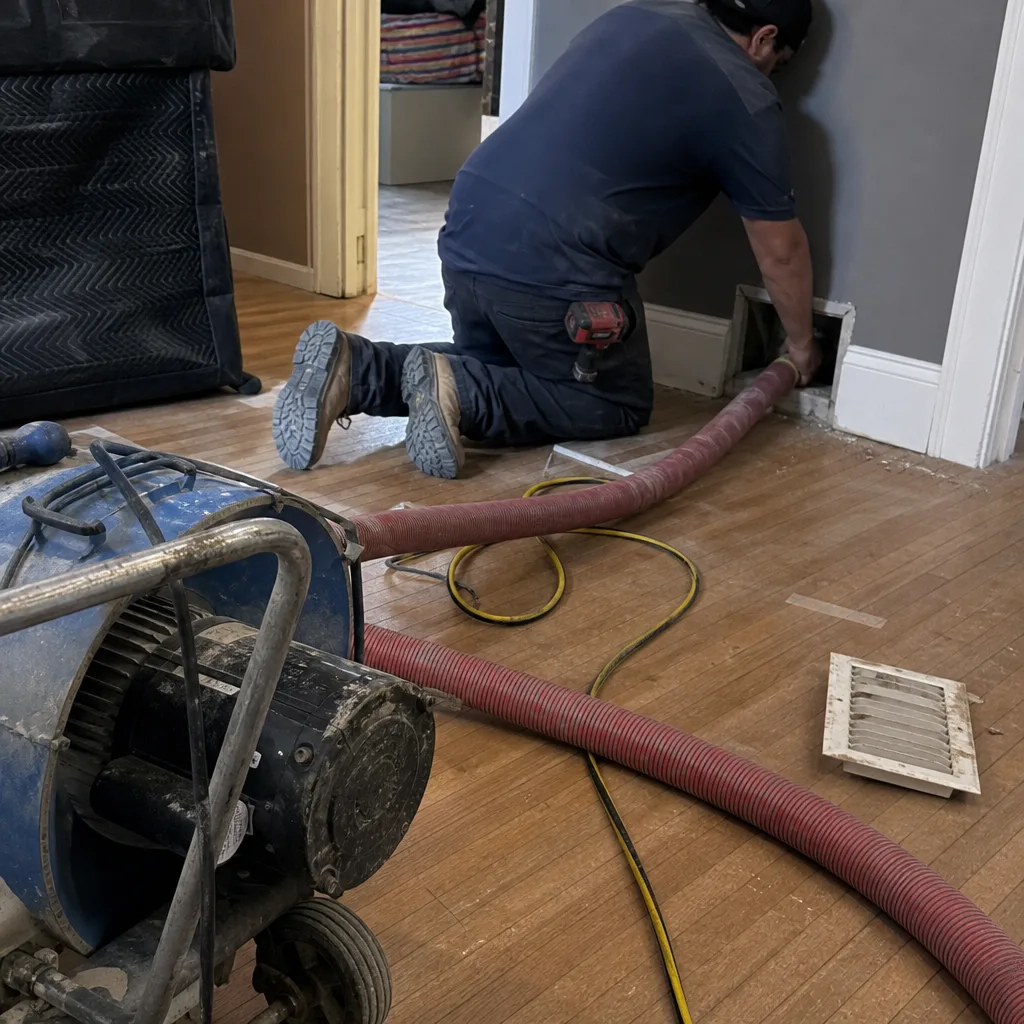
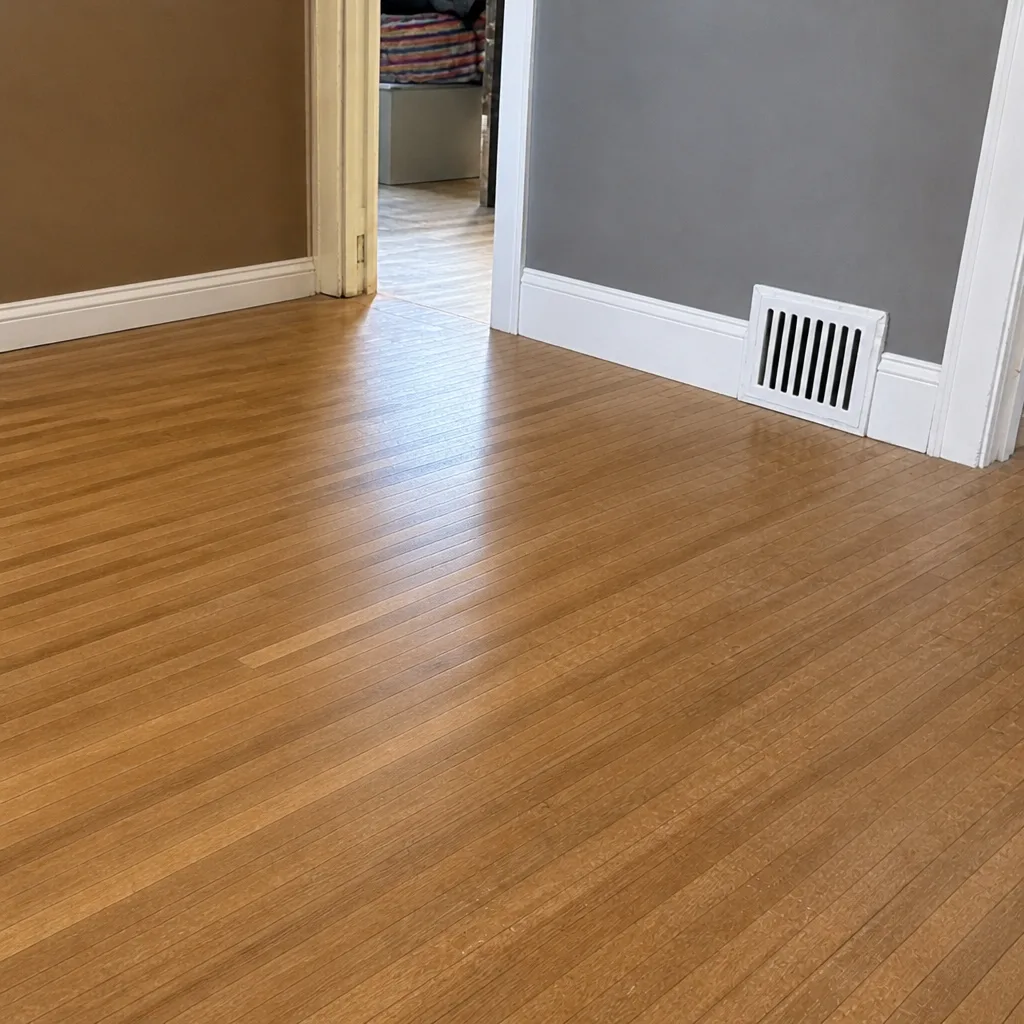
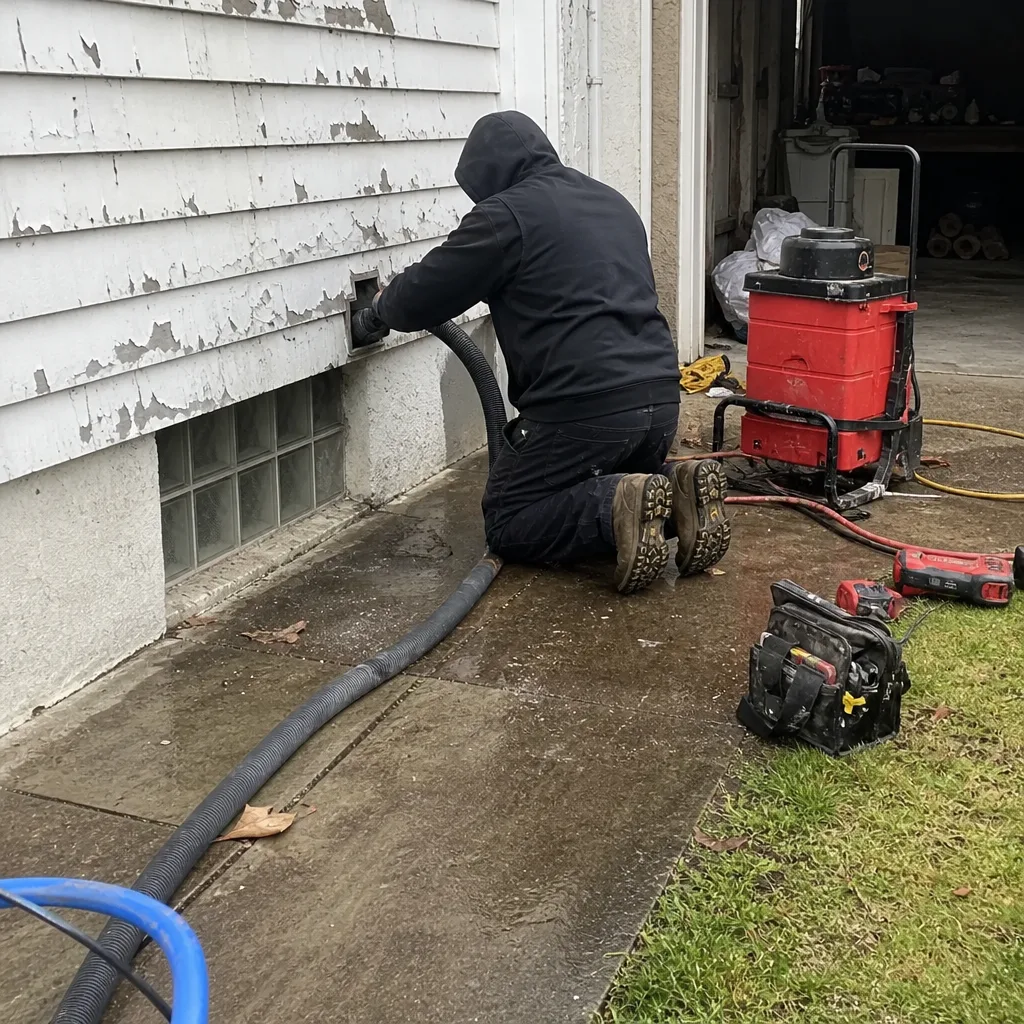
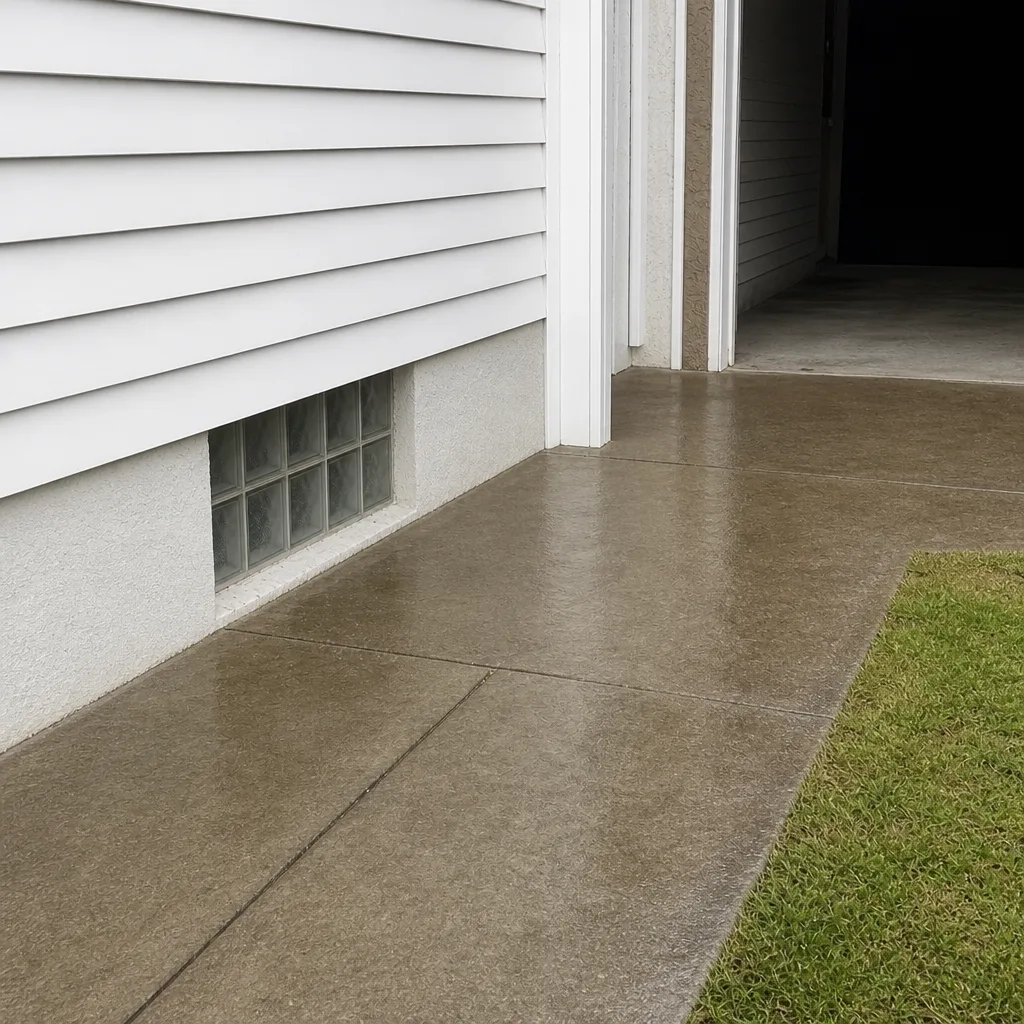
Whole-system duct and dryer vent check with before-and-after photos - you see exactly what came out of your vents
That "$99 whole-house special" is a bait ad - the real number appears once they are in your hallway, or the "clean" is a shop-vac at the register. We photograph the inside of your ducts before and after instead.
Air Duct Cleaning Maintenance Checklist for North Buffalo Homeowners
Here’s the thing most duct-cleaning checklists get wrong: they assume debris builds up at the same slow rate all year. In North Buffalo, it doesn’t. Our furnaces run for roughly half the year, the windows stay shut for most of it, and the brief, intense pollen season sends a burst of fine material through the returns right when the system is still moving air. That means duct debris arrives in waves, and the weeks that matter most aren’t the ones most homeowners watch. This guide is a month-by-month maintenance checklist built around how a North Buffalo HVAC system actually lives, what you can check at the register yourself, and what needs a camera or a professional access point.
Quick Answer
A workable air duct maintenance routine in North Buffalo has four moving parts: change filters on a schedule tied to your household (occupancy and pets, not just the calendar), check registers and return grilles monthly for dust and airflow, inspect basement duct runs and connections each fall before heating season, and book professional cleaning when you see the real signals, like visible buildup, a musty smell, or a system that’s running longer than it used to. Spring and fall are the two windows when a professional cleaning does the most good in North Buffalo, because they line up with the changeover between heating-dominant and cooling-season use.
Styles & brands we work with
- Whole-home duct cleaning
- Dryer vent cleaning
- Camera inspection
- Sanitizing & deodorizing
Table of Contents
- Why North Buffalo Duct Maintenance Doesn’t Follow a Generic Calendar
- The Month-by-Month Maintenance Checklist
- How to Set a Filter Schedule Around Your Household, Not the Calendar
- What to Check Yourself at the Register Level
- Basement and Crawl Space Inspection Points in North Buffalo Homes
- What Requires a Camera or Professional Access Point
- How to Log Your Maintenance History (Useful If You Sell or File a Claim)
- Common Mistakes to Avoid
- When to Call a Professional
- Frequently Asked Questions
Why North Buffalo Duct Maintenance Doesn’t Follow a Generic Calendar
Most maintenance checklists you find online are written for a climate that doesn’t exist here. They split the year into four tidy seasons and tell you to clean in spring. That advice misses how a North Buffalo home actually breathes.
Start with the furnace run time. In North Buffalo, the heating season dominates the year. Air moves through the same ductwork for months on end, picking up dust from return air, depositing it on duct walls, and re-suspending it every time the blower kicks on. Then the windows open, pollen and street dust come in, and the returns pull that material straight into the system. By the time the heating season starts again, the ducts have collected a full cycle of material. That cycle is predictable, which means your checklist can be too.
The second factor is construction. A large share of North Buffalo housing stock is older, with ductwork that runs through unconditioned basements or along exterior walls. Those runs see temperature swings the living space never does. Metal contracts and expands. Joints loosen. Insulation on exterior-wall runs can fail quietly. None of that shows up in the rooms you live in, but all of it affects how much dust reaches your air.
Third, the shoulder seasons are short. The stretch between heating and cooling in North Buffalo is compressed, so if you wait for a “nice weekend” to do maintenance, the window passes before you’ve done anything. The checklist below front-loads the work into the transition points where it actually matters.
This is the reason we built the routine around the local cycle rather than a national template. It’s also why proper air duct cleaning done on the right schedule tends to last longer here than homeowners expect.
The Month-by-Month Maintenance Checklist
Here’s the checklist calibrated to Buffalo’s climate cycle. Not every item every month, but each item lands in the window where it does the most good.
Late Winter (February to March) – The Wake-Up Inspection
Heating season is at its peak and the system has been working hard. Walk the house and check:
- Return grilles for visible dust matting
- Supply registers for uneven airflow between rooms
- The filter bay, for the load and the fit
- Any musty or dusty smell when the heat first kicks on
If a room has gone cold or a register is whistling, note it now, before the thaw.
Spring (April to May) – The Changeover Cleaning Window
This is the most important window of the year for professional work. The heating system winds down, the pollen season is about to load the returns, and the ducts are carrying a full winter of accumulated material. Book cleaning, repair, and sealing here so the system starts the cooling season clean. It’s also the right time for HVAC cleaning of the air handler and coil, since the whole system is being looked at anyway.
Summer (June to August) – The Tracking Months
A/C is running, windows are open more, and pollen has peaked. Use these months to observe. Check filters more often, watch for condensation around registers, and note any room where airflow drops. This is a month for data, not action.
Early Fall (September to October) – The Pre-Heating Prep
Before the furnace takes over for the long haul, inspect the basement duct runs, check joints and insulation, and confirm the filter is fresh. This is the single most cost-effective inspection window of the North Buffalo year. If a joint is loose or a section is crushed, catching it now means you’re not heating a duct that’s leaking into a cold basement all winter.
Late Fall (November to December) – The Sealed-In Season
Windows shut, boiler or furnace on, system running for months. Watch the plug-in air quality inside the house, keep filters tracked, and note anything musty. If a humidity problem shows up, address it now rather than at the changeover.
How to Set a Filter Schedule Around Your Household, Not the Calendar
The cardboard filter you buy at the hardware store has a “change every 90 days” printed on it. That number assumes an average household in an average climate. Neither describes most North Buffalo homes in winter.
Filter life depends on how much material the return air carries. That’s driven by household, not by the calendar. A useful way to think about it:
- Two adults, no pets, no fireplace: a standard filter will usually last longer than the box suggests, but check it monthly during heating season anyway.
- Household with one or more pets: shorten the interval noticeably. Pet hair loads the filter far faster than the box accounts for.
- Kids in the house: more foot traffic, more tracked-in dust and outdoor material, shorter interval.
- Wood-burning fireplace or stove in use: shorter again through winter.
- Anyone with allergies in the household: use a higher-MERV filter and change it on the shorter, tracked schedule. A slightly shorter filter life is a fair trade for cleaner air.
Track replacements in writing, not by feel. A filter changed “some time in the fall” is a filter whose actual interval nobody knows. Log the date every time you change it. After a full heating season you’ll have a real number for your home, and that number is what you use going forward.
If you upgrade to a whole-home filtration setup with a brand like Honeywell or Aprilaire, the schedule changes again. Those systems use different filter media with different capacity, and the owner’s schedule for that hardware matters more than the generic box advice. The local pro who installs it will give you the right interval.
What to Check Yourself at the Register Level
There’s a lot you can check without opening a single duct. Register-level inspection is where homeowners catch most of what needs catching. Here’s a straightforward walkthrough you can repeat monthly during heating season:
- Pop the grille off each supply register. Look inside with a flashlight. A light film of dust is normal. A matted, gray, or fuzzy coating on the duct wall is not.
- Look at the return grilles. Returns pull in more than supplies push out, so they collect faster. A dark ring around the grille slot is a sign the return is doing extra work.
- Feel the airflow from each supply register with your hand or a strip of tissue. Note any register that’s noticeably weaker than the rest.
- Smell the air. A musty, dusty, or chemical smell from a register is a real signal, not a quirk. Note the room and the timing.
- Check the register and duct boot for gaps where the boot meets the floor or wall. A visible gap is a leak, and leaks pull in basement or crawl space air.
- Look for rust, water staining, or dark streaks on the grille or nearby drywall. Moisture issues show up here before they show up anywhere else.
What registering won’t show you is what’s happening in the duct runs inside walls, behind the basement ceiling, or in the main trunk. That’s the next two sections.
Airflow and build-up are the two simplest signals a homeowner can track. When either one changes and stays changed, it’s time for a closer look. If you’d rather have a specialist read what you’re seeing, Air Duct Cleaning North Buffalo can walk the system with you.
Basement and Crawl Space Inspection Points in North Buffalo Homes
A great deal of North Buffalo’s housing stock has duct runs in the basement. In homes built around the frost line, those runs sit in unconditioned space that gets cold. The system handles that fine when things are tight. It doesn’t when insulation or connections fail. Check these points each fall before heating season:
- Joint tightness. Follow the duct runs from the furnace or air handler. Push lightly on joints. Any joint that moves, shows a gap, or has pulled tape is a leak point.
- Insulation integrity. Exterior-wall runs should be insulated. Check for peeling, sagging, or missing insulation, especially near the sill.
- Crushed or disconnected flex duct. In basements, flexible duct is easy to step on, lean things against, or push aside. Look for crushed, kinked, or fully disconnected sections.
- Condensation and staining. Any rust, water staining, or condensation on the ductwork means a moisture issue that needs attention before winter.
- Support and sag. Duct runs should be supported at regular intervals. Sagging runs collect debris, and low points trap it.
- The air handler cabinet. Check the cabinet for dust, filter fit, and door seals. It’s the heart of the system, and it’s the easiest place for a leak to go unnoticed.
If you find a leak or a crushed section, that’s the moment for duct repair and sealing, not just cleaning. Cleaning a duct that leaks into the basement just means the dirt comes back faster. We seal what we clean, and that order matters.
Airflow and build-up are the two simplest signals a homeowner can track. When either one changes and stays changed, it’s time for a closer look. If you’d rather have a specialist read what you’re seeing, Air Duct Cleaning North Buffalo can walk the system with you.
What Requires a Camera or Professional Access Point
The register-level and basement inspections in the previous two sections catch a lot. They don’t catch everything. Some parts of a duct system can only be reached and viewed with the right equipment. Knowing the boundary is useful, because it tells you when to stop and call.
What a homeowner can inspect
- Register grilles and the visible duct boot
- Return air bays on the air handler
- Exposed basement and crawl space runs
- Filters and their fit
- Visible moisture, rust, and staining
What needs a camera or professional access
- Duct runs inside walls, ceilings, or between floors
- The main trunk line and any turns or transitions
- Duct interiors beyond the boot opening
- Coils and the air handler interior
- Any evidence of pest activity inside the system
This is where professional equipment earns its keep. A contractor-grade setup uses a rotary brush to mechanically agitate dust off the duct walls, then a negative-air machine to contain and capture what’s dislodged. On our jobs that’s a Rotobrush rotary system paired with Nikro negative-air equipment, and the filtration side is handled with Abatement Technologies gear. That combination matters because the alternative, suction alone, moves some dust and leaves the rest clinging to the wall.
Camera inspection and containment aren’t about being thorough for its own sake. They’re about confirming the work was needed and verifying it was done. That’s the reason duct cleaning done with real equipment produces before-and-after photos a homeowner can actually trust, while duct cleaning done with a shop vac produces a promise.
How to Log Your Maintenance History (Useful If You Sell or File a Claim)
Most homeowners keep their duct maintenance history in their head. That works until they sell the house or file an insurance claim, and then it doesn’t. A written log is small effort for outsized value.
Keep it simple. A cheap notebook or a folder in a cloud service works. Log these items:
- Date of every filter change. Include the filter brand and the model or MERV rating.
- Date of every professional visit. Include the service performed and the technician or company on record.
- Before-and-after photos, when available. The written record is strong, the visual is stronger.
- Repair and sealing work. What section was repaired, and when.
- Air quality hardware service. Installation dates, filter changes, and any service on a whole-home air quality system, whether that’s a Honeywell or Aprilaire unit.
- Any evidence of a moisture, pest, or airflow problem. Date observed, what was done, outcome.
- Signals you noticed but didn’t act on. A musty smell that went away on its own is still a data point.
When you sell the home, the log answers a real question a buyer’s inspector will ask: has this system been maintained? When you file an insurance claim, especially after a water event or a fire, the log supports the claim with concrete details. Duct and dryer vent records in particular carry weight, because those are the parts of a home’s air pathway an adjuster cares most about. A dryer vent maintenance log, for example, is one of the few documents a homeowner can have that directly reflects the highest-cited home fire risk in a system. If you maintain that vent on a schedule and log it, you’re not guessing later about whether it was done.
The log is also good for you. After two years, it tells you the real interval for your filter, the real pattern for your basement runs, and the real story of how your system behaves. That’s information a technician can’t otherwise have.
Common Mistakes to Avoid
- Cleaning ducts without addressing leaks. Cleaning a leaky system just means fresh dust comes in through the same gaps. Seal the leaks first or the cleaning doesn’t stick.
- Trusting the box’s filter interval. A household with pets and kids in a North Buffalo home running a furnace six months out of the year needs a shorter interval than the box says. Track your actual replacements.
- Skipping the basement in fall. North Buffalo’s basement duct runs are the highest-risk section of the system, and fall is the one inspection window before heating season that catches them before winter.
- Waiting for a problem before the first cleaning. A duct system that’s never been cleaned in an older home can carry decades of material. Cleaning on a schedule is calmer than cleaning reactively.
- Treating the dryer vent as someone else’s problem. The dryer vent is a separate system from the heating ducts, and it’s a top-cited home fire risk. It has its own cleaning schedule, and it needs to be on your log.
- Hiring on price alone. A quote that assumes suction-only equipment and no containment will always come in lower than a quote that includes rotary brushing and negative-air capture. Compare equipment, not numbers. Ask what machines will be on site and whether the price is a flat price per system or a per-vent charge.
- Not photographing the work. Any duct cleaning company serious about doing the job should be able to hand you before-and-after photos of your own ducts. If they can’t, that’s a signal.
When to Call a Professional
Some jobs are register-level checks. Others aren’t. Call a professional if any of these apply:
- You see visible buildup or a fuzzy coating inside a supply register
- There’s a musty or dusty smell that returns when the system runs
- One or more rooms has weaker airflow than it used to
- A basement duct run shows crushed, disconnected, or poorly supported sections
- You find rust, water staining, or condensation on the ducts
- The dryer takes noticeably longer to dry a load than it used to
- You’ve moved into an older North Buffalo home and have no maintenance history for the system
Air Duct Cleaning North Buffalo offers free estimates in North Buffalo. Call (877) 379-9769 to book one. When we come out, we’ll look at the whole air pathway, not just the easy-to-reach parts, and we’ll give you a flat price per system before anything starts.
Frequently Asked Questions
Most North Buffalo homes do well on a cleaning roughly every two to three years, with the spring changeover being the strongest window for it. Homes with pets, allergy sufferers, or older systems with no prior cleaning history often need it sooner. The right interval depends on your household and what a proper inspection shows, not a blanket rule.
Vacuuming a register removes what’s sitting on the grille, not what’s clinging to the duct wall or has settled in the trunk. A consumer vacuum can’t agitate duct interior surfaces, and it certainly can’t contain what it dislodges. Register-level cleaning is a useful monthly habit, but it’s not a substitute for professional cleaning of the system.
Clean after the new equipment goes in, not before. A new air handler sitting on old, dirty ductwork will just pull the same material through it. If you’re replacing the system, clean the ducts once the new equipment is installed and checked, so the whole system starts together.
It’s a separate system with its own schedule, and we treat it that way. Dryer vent cleaning is a standalone service because it’s a real fire risk, not an upsell. It should be cleaned on a schedule of its own and logged separately from the heating ducts.
Ask for before-and-after photos of your own ducts. Topical visual evidence is the simplest way to confirm a real job. Beyond that, ask what equipment was used. Professional duct cleaning uses a rotary brush for agitation and a negative-air machine for containment. On our jobs that’s the Rotobrush and Nikro combination, with Abatement Technologies filtration, and that’s what produces both the photos and the result.
Yes, and it should be. Cleaning a leaky system just re-opens the same problem. When we find a crushed section, a loose joint, or failing insulation on a basement run, we seal it as part of the same visit. That’s the point of the full scope: cleaning, then repair and sealing, then air quality follow-through.
The Bottom Line
Duct maintenance in North Buffalo doesn’t follow a generic seasonal template. It follows the furnace cycle: heavy use through a long heating season, a burst of pollen in spring, and a compressed fall window before the heat comes back on. Track filters by household, inspect registers monthly, walk your basement runs each fall, log everything on paper, and treat dryer vent cleaning as its own safety channel rather than a rounding error. If you want the whole system checked with equipment that confirms the work, Air Duct Cleaning North Buffalo is here. Call (877) 379-9769 for a free estimate. We answer 24/7. Fast dispatch from 7am to 7pm, Sunday through Friday. You can also read up on dryer vent cleaning if your laundry has been taking longer to dry.
Written by the team at Air Duct Cleaning North Buffalo.
See the difference
 Before
 After
 Before
 After
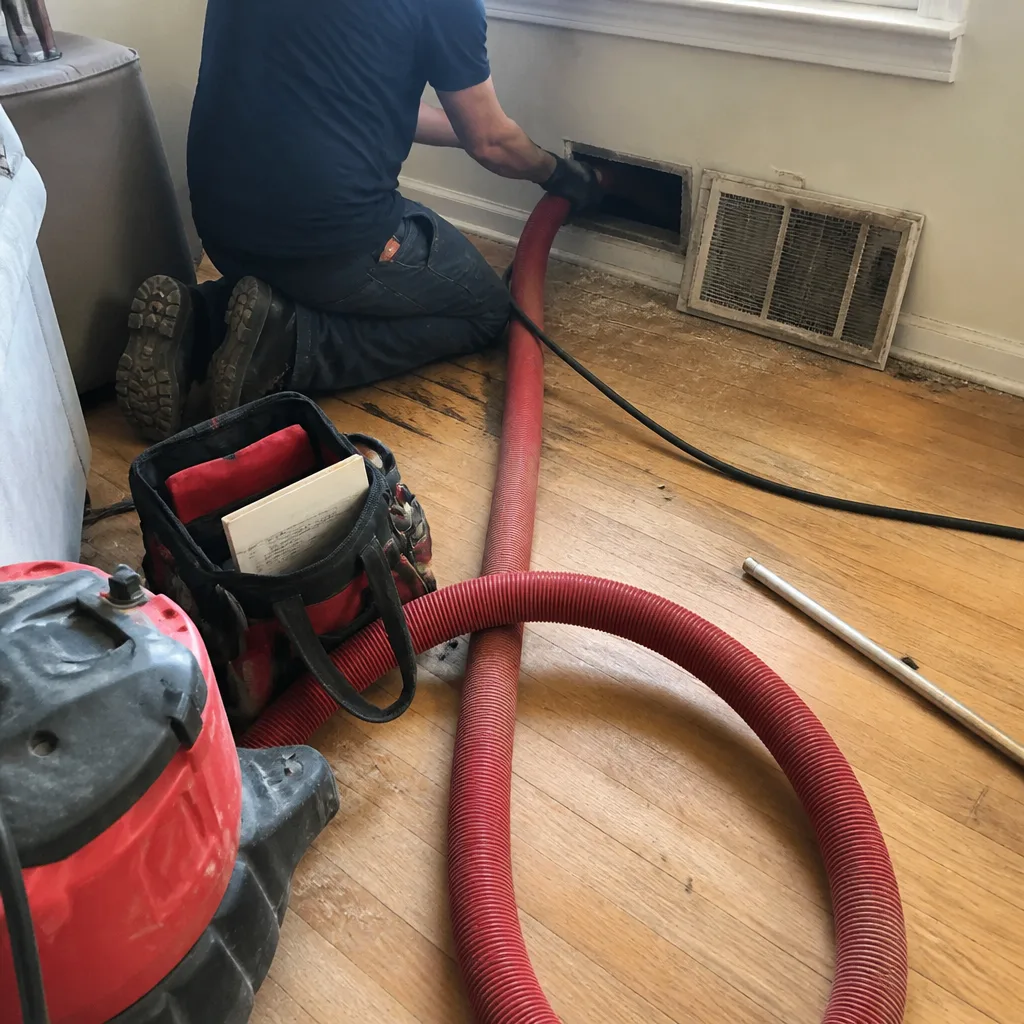 Before
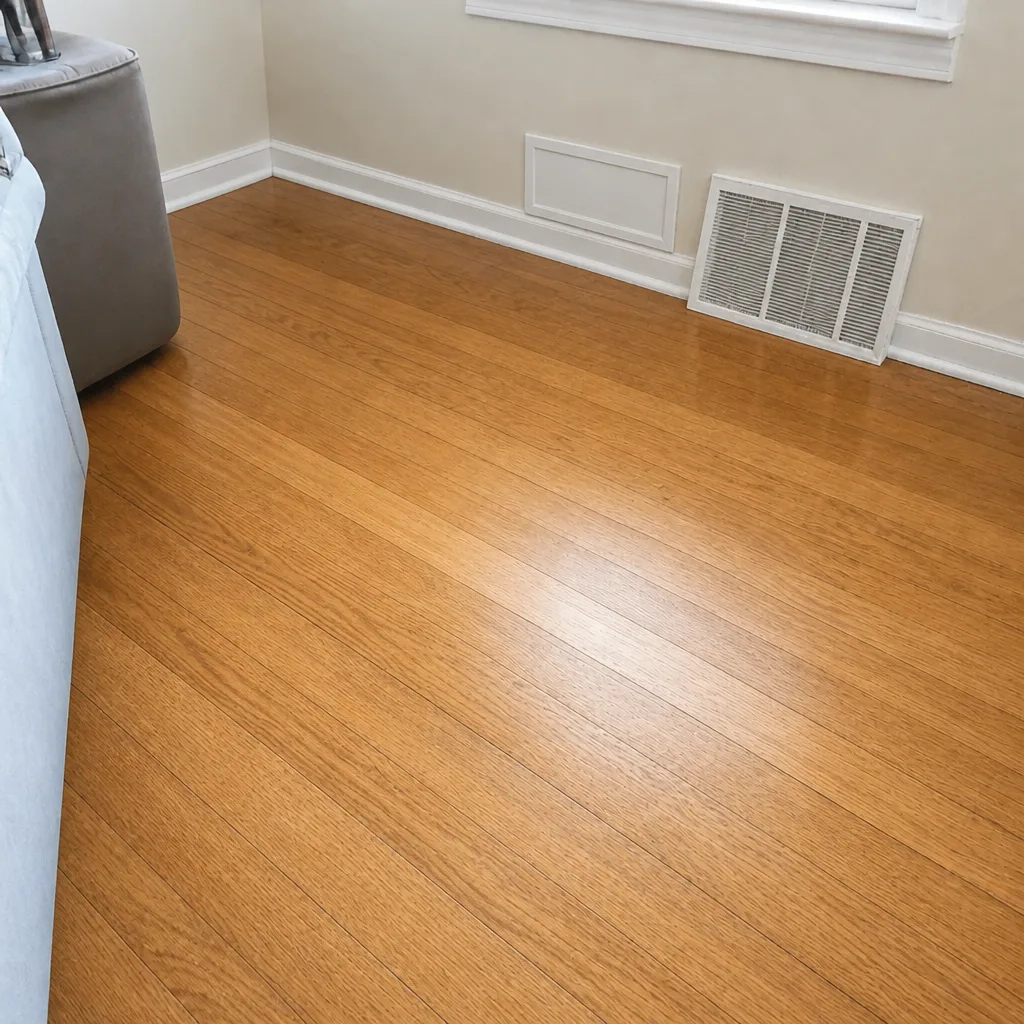 After