
Last updated November 25, 2026
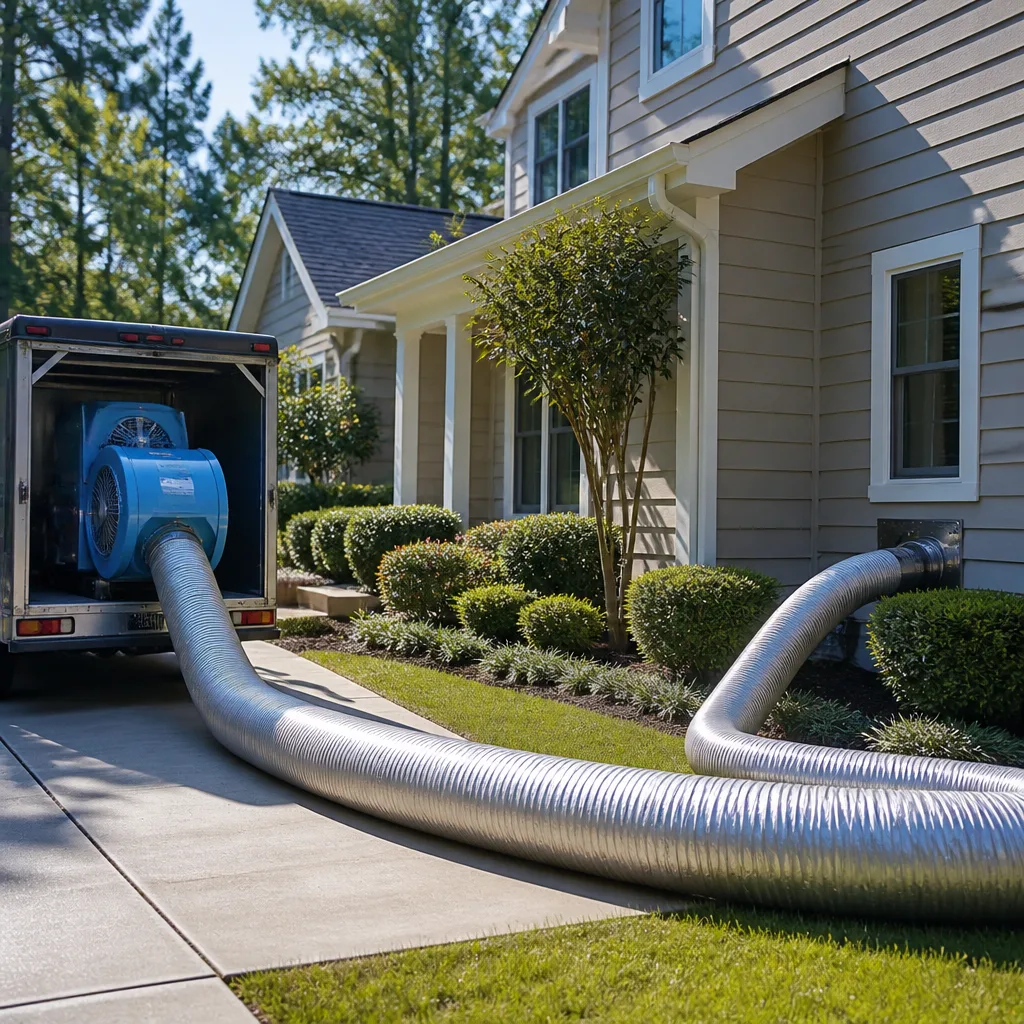 Whole-home duct cleaning
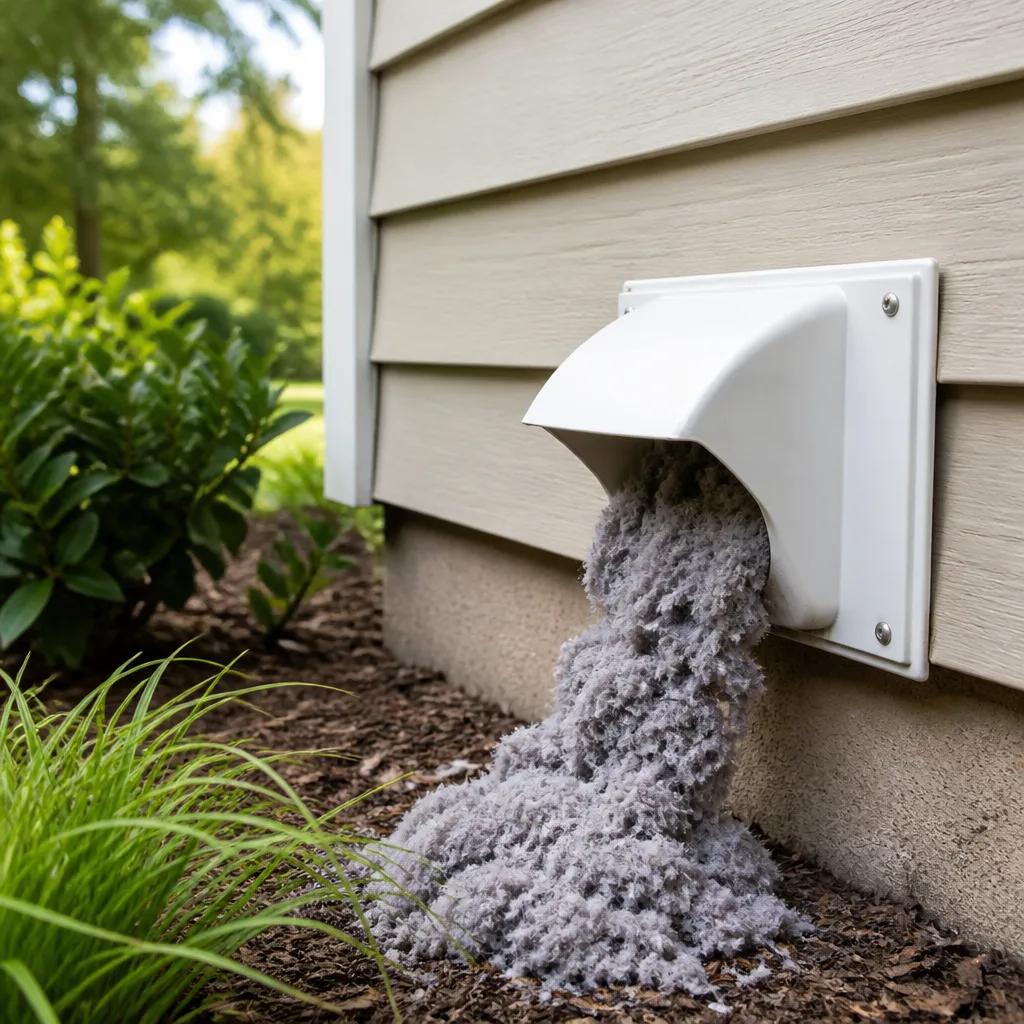 Dryer vent cleaning
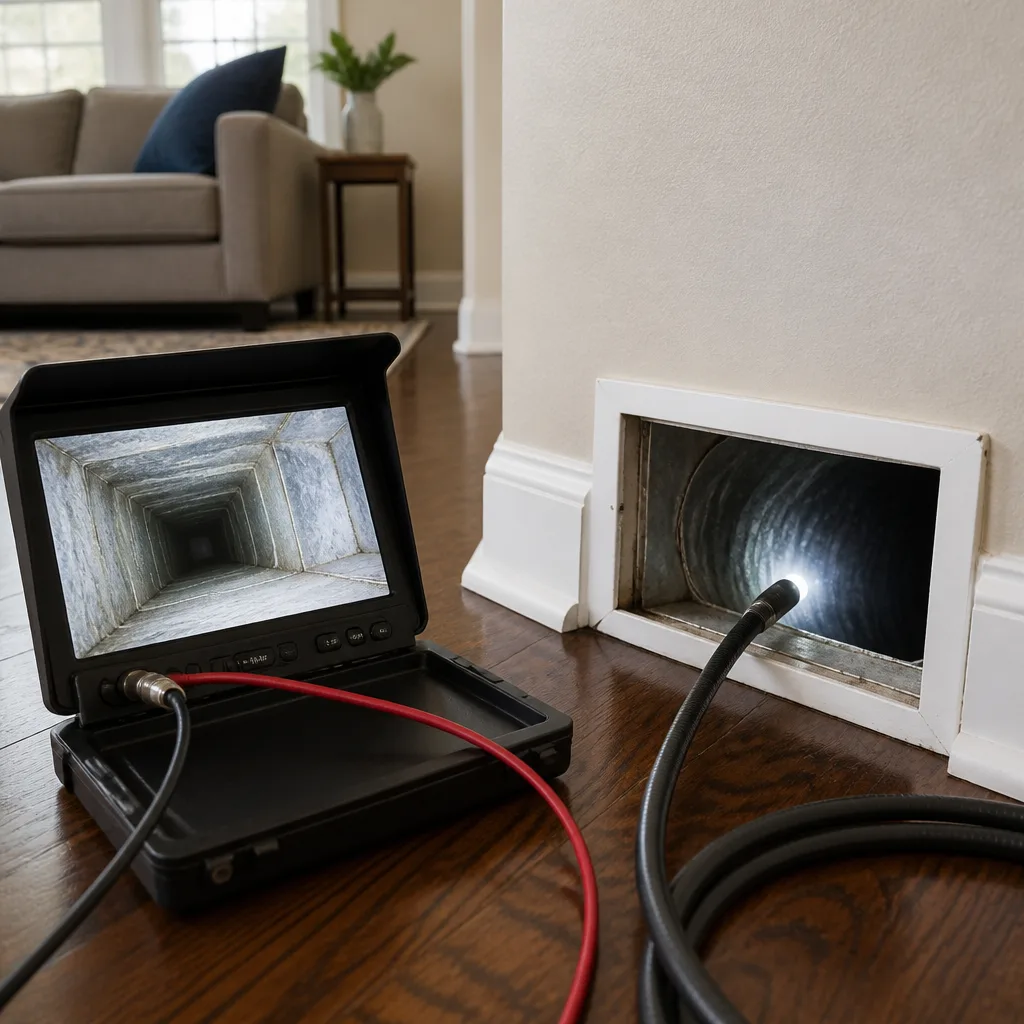 Camera inspection
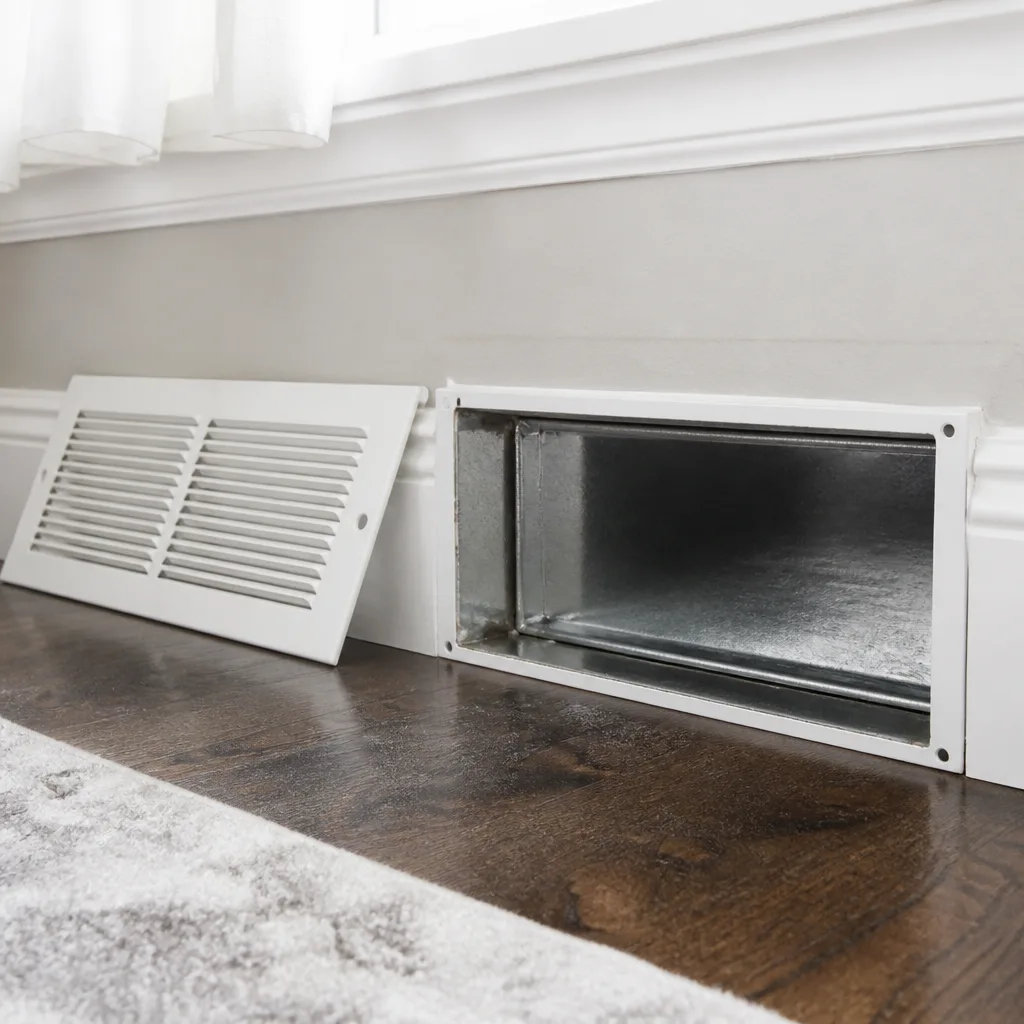 Sanitizing & deodorizing
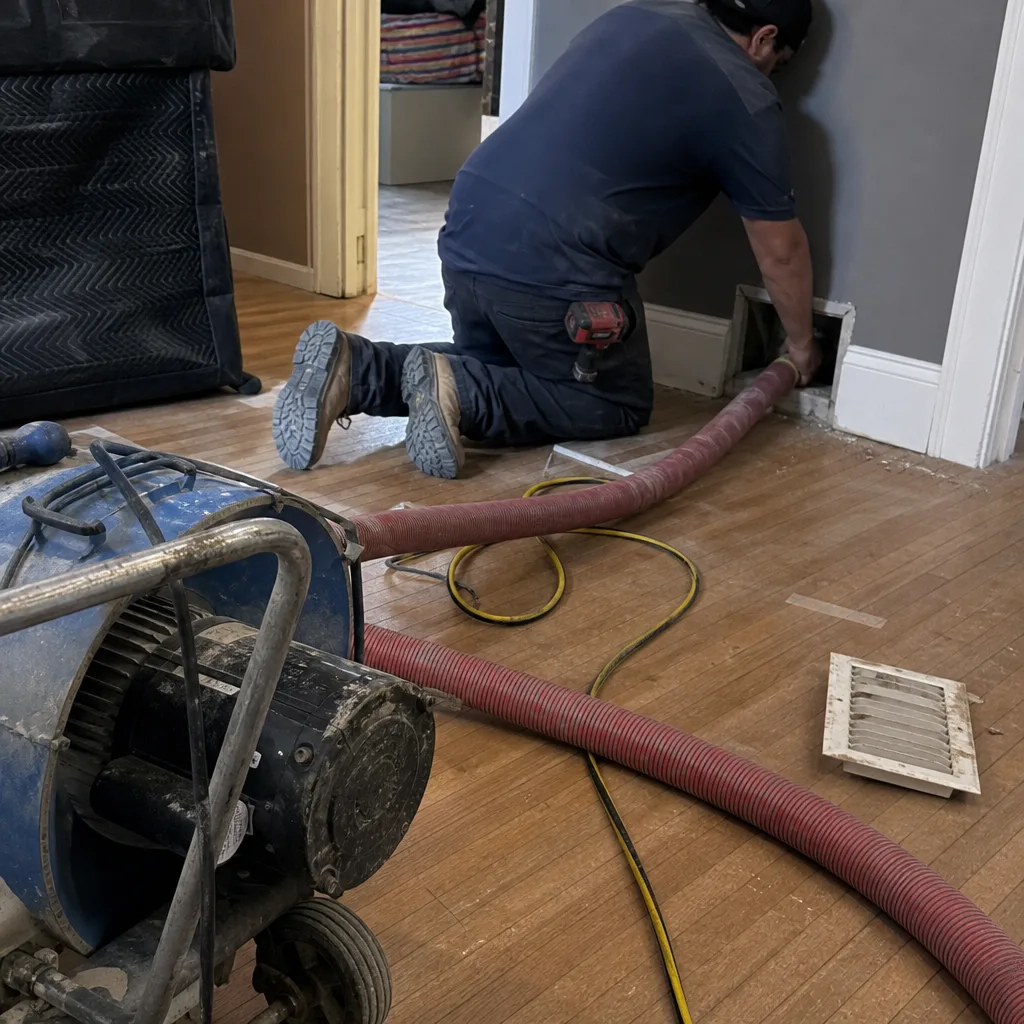
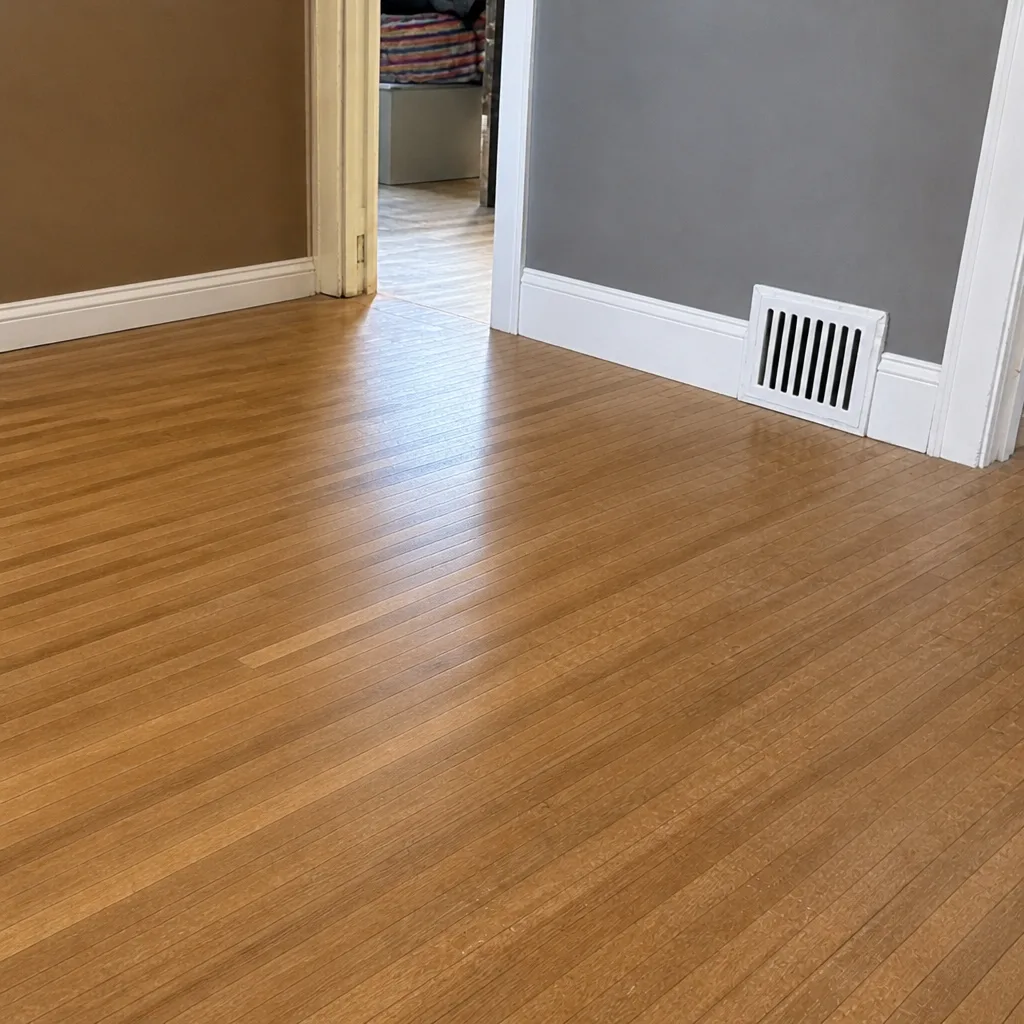
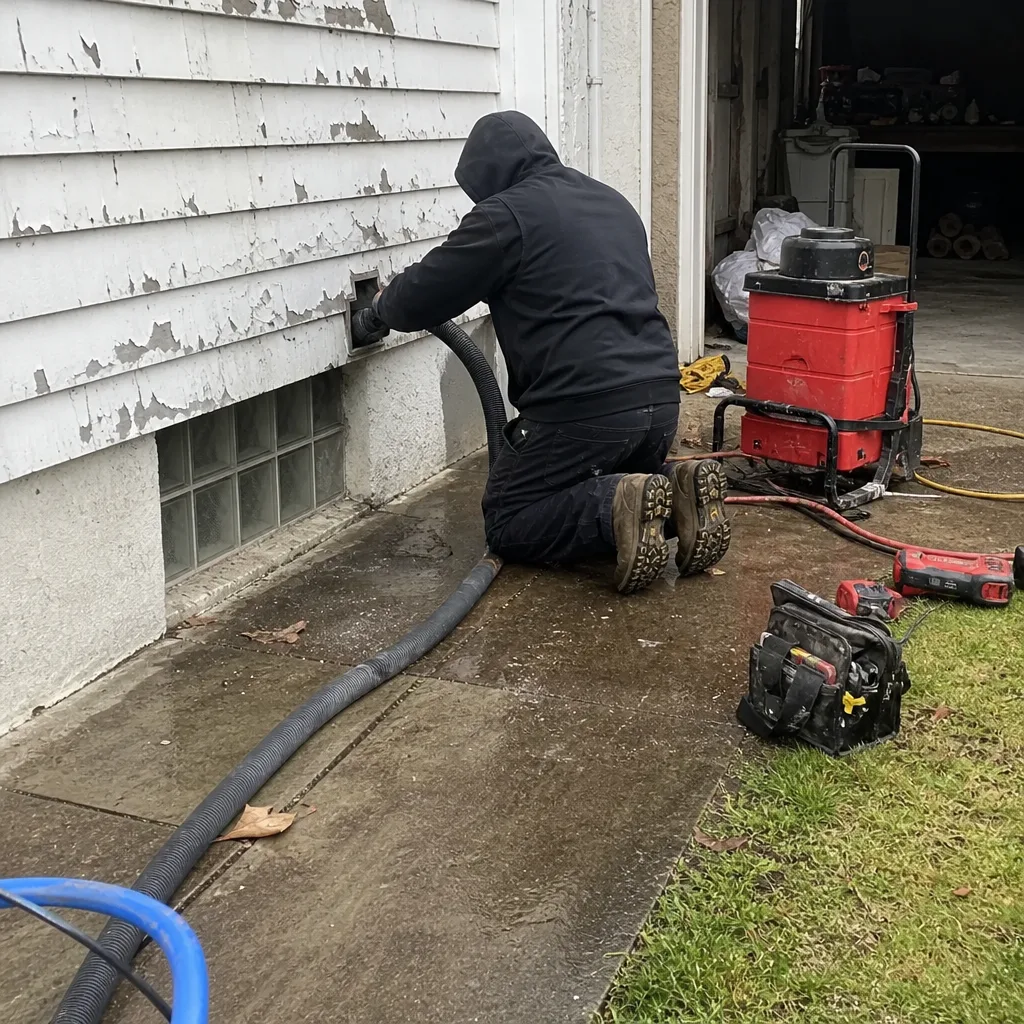
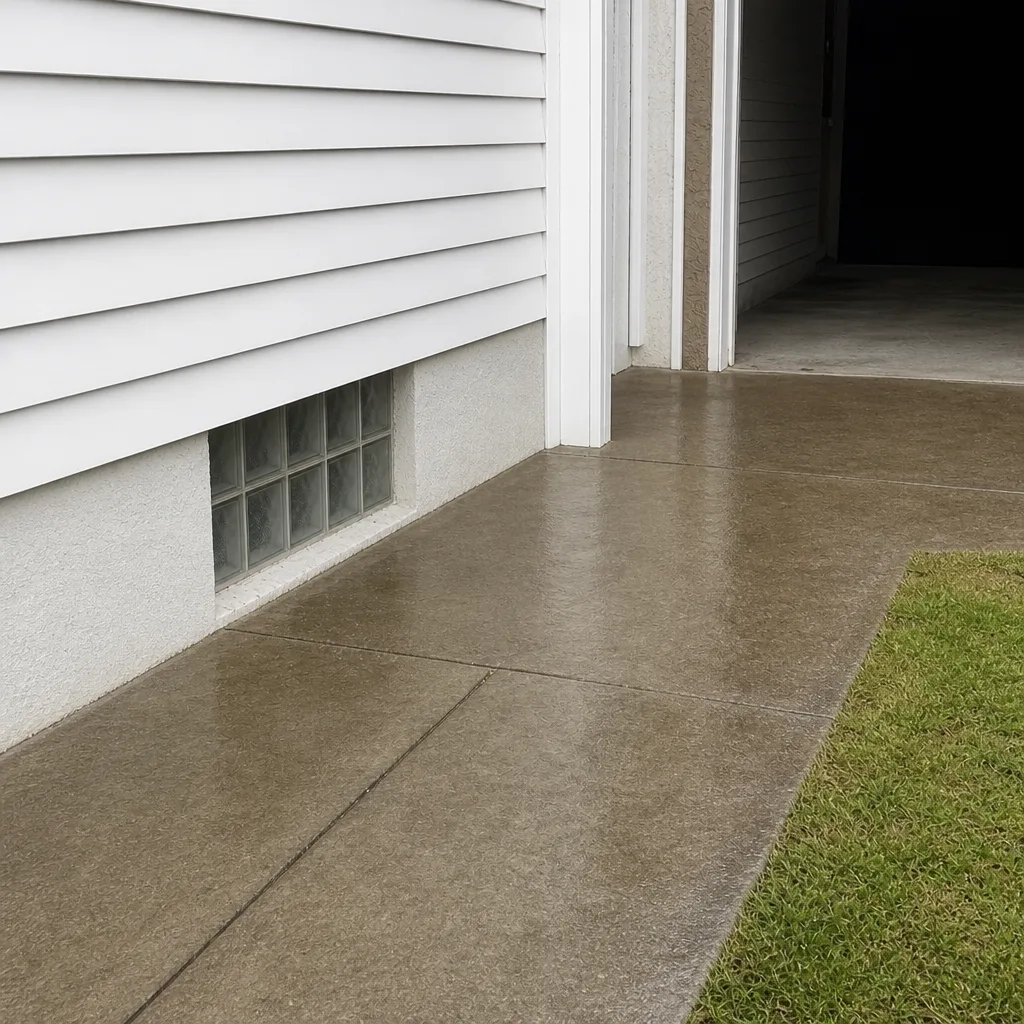
Whole-system duct and dryer vent check with before-and-after photos - you see exactly what came out of your vents
That "$99 whole-house special" is a bait ad - the real number appears once they are in your hallway, or the "clean" is a shop-vac at the register. We photograph the inside of your ducts before and after instead.
Air Duct Cleaning Emergency Preparedness Guide for North Buffalo Homes
When a basement floods in North Buffalo during a February thaw, the water damage crew handles the floor. What nobody tells you is that the duct system sitting six inches above that wet concrete just became a mold incubator on a 72-hour clock. The same is true after a kitchen fire or a furnace that quit during a hard freeze: the ducts are the last thing anyone inspects and the first place contamination settles. This guide walks through the three duct emergencies that actually happen in North Buffalo homes and what to do, in what order, before a cleaning truck shows up.
Quick Answer
Air duct cleaning after a flood, fire, or furnace failure in North Buffalo is a contamination response, not routine maintenance. The priority in the first 72 hours is stopping moisture or soot from settling into porous duct lining, documenting the damage for insurance before anything is touched, and using negative-air equipment to capture debris rather than just blowing it around. Call a specialist who can inspect before cleaning – the order of operations matters more than the cleaning itself.
Styles & brands we work with
- Whole-home duct cleaning
- Dryer vent cleaning
- Camera inspection
- Sanitizing & deodorizing
Table of Contents
- Why North Buffalo Duct Emergencies Are Different
- Post-Flood Duct Response: The 72-Hour Window
- Fire and Smoke Contamination Inside Ductwork
- Identifying Combustion Byproducts After a Furnace Failure
- What to Document Before Any Cleaning Begins
- How to Choose a Contamination Specialist vs. a Routine Cleaner
- Preventing the Next Emergency
- Common Mistakes to Avoid
- When to Call a Professional
- Frequently Asked Questions
- The Bottom Line
Why North Buffalo Duct Emergencies Are Different
North Buffalo sits in one of the country’s most punishing freeze-thaw cycles. Lake-effect events drop heavy snow, then a mid-winter thaw turns it to slush, then a hard freeze locks everything back down. That rhythm stresses the same building envelope that ductwork runs through: basements that weep in January, joints that open when the ground heaves, furnace systems that work harder than they were designed to.
Layer on the housing stock. The streets around Hertel Avenue, Parkside, and the neighborhoods feeding into Delaware Park are full of homes built in the 1920s through 1950s, many with original or first-generation ductwork. That era of construction uses materials – older galvanized steel, fiberglass duct board on later retrofits, flexible connectors at the plenum – that behave very differently from modern sealed systems when they get wet or coated in soot. A 1955 house off Starin Avenue and a 1990s build near Kenmore Avenue respond to the same flood in completely different ways.
The long heating season is the third factor. Ducts that run six or seven months a year under constant airflow accumulate a different pattern of debris than systems that idle through mild winters. When contamination hits – water, smoke, or combustion residue – it lands on top of that existing layer and the two combine. That’s why a routine air duct cleaning scheduled in spring doesn’t address an emergency that occurred in February. The service category is different, the equipment demand is different, and the documentation requirements are different.
We treat these as three separate response scenarios: flood intrusion, fire and smoke contamination, and furnace failure. Each has its own timeline. Getting the order right is what separates a recoverable duct system from one that has to be partially replaced.
Post-Flood Duct Response: The 72-Hour Window
The 72-hour window is real. Once porous duct material – fiberglass duct board, flexible duct with a perforated liner, or any interior insulation – gets wet, microbial growth begins inside the first three days in a warm, humid basement. The water damage company’s fans and dehumidifiers pull moisture out of the floor and drywall, but they don’t reach inside the duct runs unless someone hooks equipment to the system directly. That gap is where most North Buffalo post-flood duct problems start.
Here’s the order of operations we’d follow in a typical flood scenario:
- Stop the water source and document the scene – photographs of waterlines on ductwork, readings from a moisture meter if you have one, and the date/time of the event. This comes before any drying or cleaning.
- Get the basement dried to standard – the water damage contractor handles this, and they should know the ducts are being assessed separately so they don’t run contaminated air back through the system.
- Inspect before cleaning – a technician uses a camera to check each run. Galvanized steel that got wet but wasn’t submerged can usually be cleaned and sanitized. Porous lining that absorbed water almost never can.
- Clean with negative-air containment – a Nikro negative-air machine pulls the system under pressure so dislodged debris is captured, not recirculated into the living space. Rotobrush rotary agitation scrubs the duct walls where mold spores attach.
- Sanitize the restored sections – Guardsman-grade surface products handle the finish work on cleaned metal duct.
- Seal and verify – any joint that opened during the flood gets sealed, and a post-clean inspection confirms the moisture readings are within range.
What can usually be restored: solid galvanized trunk lines, metal return plenums, and short flexible runs that were exposed to humidity but not standing water. What usually has to be replaced: fiberglass duct board that absorbed water, flexible duct with a wet liner, and any section that sat submerged for more than a day. In North Buffalo’s older homes, the trunk lines are often salvageable while the branch runs to the second floor need replacement. Sealing what we clean matters here – a cleaned duct with an open joint lets basement humidity straight back in.
Fire and Smoke Contamination Inside Ductwork
Post-fire duct work is a different service category from routine cleaning, and this is where a lot of homeowners lose money. A standard cleaning removes dust and debris. It does not remove smoke residue. Soot from a kitchen fire or a basement electrical event is acidic, oily, and clings to duct interiors in a film that suction alone won’t lift. Running the system after a fire pushes that film through every room in the house, and the smell returns within days.
What separates fire and smoke response from regular cleaning:
- Chemical residue removal, not just mechanical agitation – soot bonds to metal and needs a chemical step after brush work.
- Containment of the whole system – negative-air setup has to seal the supply and return openings so residue doesn’t migrate during the process.
- Porous material assessment – fiberglass duct board and flexible duct that captured smoke residue are almost never restorable and usually have to be replaced, even if they weren’t touched by flame.
- Ozone or vapor treatment – the smoke smell lives in the duct walls, not the air, so it has to be treated at the surface.
- Post-cleaning verification – a walkthrough with the homeowner, room by room, to confirm smell is gone before the system goes back into service.
In North Buffalo, we see a specific pattern with older homes near the Parkside neighborhood: original wood framing around the plenum absorbs smoke and keeps releasing odor into the system even after duct cleaning. That framing needs to be addressed by the restoration contractor before duct cleaning is signed off as complete. Duct cleaning can’t fix a framing problem, and pretending otherwise just means the smell comes back in a week.
If you’re wondering whether a fire was large enough to warrant post-fire duct work, the answer is almost always yes. Even a contained kitchen fire pushes smoke through the return system.
Identifying Combustion Byproducts After a Furnace Failure
Not every furnace failure contaminates the ducts. A furnace that stops igniting, blows cold air, or trips a limit switch is a mechanical repair, not a duct event. The furnace failures that matter for duct response are the ones that produced combustion byproducts inside the living space: a cracked heat exchanger, a blocked flue, or a backdraft event that pushed exhaust gases into the return.
Here’s what to look for after a furnace incident, before assuming the ducts are involved:
- Soot streaks or dark residue at the supply registers, especially on the ceiling grilles in first-floor rooms.
- Discoloration around the furnace cabinet or the flue connector – a sign exhaust wasn’t venting properly.
- A lingering smell that doesn’t clear after several hours of ventilation – exhaust residue in the ducts doesn’t dissipate the way ordinary cooking smells do.
- Headaches, nausea, or unusual fatigue reported by multiple people in the home after a furnace event – this warrants a call to your gas utility and a technician before anything else.
- Visible dust plumes at registers that continue after the furnace is off – a sign that particulate deposits have landed inside the duct runs.
If you see soot or smell combustion residue, stop using the system. Combustion byproducts in ductwork are a health and safety concern, and there’s no shortcut. The furnace itself has to be inspected and cleared by an HVAC technician first. Then the ducts get cleaned with Abatement Technologies filtration equipment running throughout the job so airborne particles are captured during the work, not spread. Sanitizing follows, and then a sealed-system check.
We’ve seen homes around Hertel Avenue where a failed heat exchanger deposited soot through the return duct on the second floor and the homeowner didn’t notice until a routine HVAC cleaning revealed it. If your furnace had any event that produced smoke, soot, or smell inside the home, treat the ducts as contaminated until an inspection says otherwise.
What to Document Before Any Cleaning Begins
Documentation is the step almost every homeowner skips, and it’s the one that costs them the most on the insurance claim. Once duct cleaning begins, the physical evidence of contamination is gone. If the adjuster hasn’t seen it, it’s hard to recover.
Here’s what to gather immediately after a flood, fire, or furnace event, before calling a cleaning crew:
- Photographs before anything is moved – wide shots establishing the room and close-ups of duct registers, waterlines on ductwork, soot patterns, and the furnace flue. Date-stamped if possible.
- Video walkthrough – a continuous phone video from the entry point to each affected room, narrating the date and what you’re looking at.
- A written timeline – the date and time of the event, when you noticed it, and the date and time of each action (water shutoff, utilities called, restoration contractor on site).
- Moisture readings – if the water damage crew brought a moisture meter, ask for the readings in writing. They establish the extent of duct exposure.
- The restoration or fire department report – the incident number and the contact for whoever responded. Adjusters want this.
- A written pre-cleaning inspection report – a technician’s assessment of which duct sections are contaminated and which can be restored, on paper, with photographs attached.
In our experience, the pre-cleaning inspection report is the document insurance carriers want most. It establishes the scope of work before it was performed, which is why the inspection has to happen before cleaning, not after. Any contractor who wants to start cleaning without a pre-inspection is skipping a step that helps you.
How to Choose a Contamination Specialist vs. a Routine Cleaner
Not every air duct cleaning company handles contamination work, and that distinction matters when you’re dealing with a flood, fire, or combustion event. A routine cleaner is set up for dust and debris. A contamination specialist is set up for capture, containment, and documentation. The equipment and the process are different.
What to ask before hiring for contamination response:
- What negative-air equipment do you run? A Nikro or comparable negative-air machine is standard for contamination work. A shop vacuum is not, and neither is a van-mounted vac alone without containment of the house side.
- What filtration is running during the job? Abatement Technologies grade HEPA filtration is what keeps debris out of the living space while work is underway. A serious outfit can name the equipment.
- Do you inspect before you clean? A pre-cleaning inspection with camera and report is non-negotiable for contamination work.
- Can you document the job for insurance? Ask for the pre-cleaning report, before-and-after photos of your own ducts, and a written scope. If the answer is vague, keep looking.
- Do you handle repair and sealing? Contamination work often uncovers open joints or disconnected runs that need to be fixed before the system goes back online. “We seal what we clean” is the ask.
- What’s the pricing model? A flat price per system, agreed before work starts, with the written estimate setting the final price. Per-vent pricing on a contamination job is a red flag, because the number of vents doesn’t reflect the scope of the work.
The vetted local professional is licensed and insured as their state requires, and can provide proof on request. The cheapest quote on a contamination job is usually the one that skips containment, skips documentation, or skips the inspection. On a duct system full of mold spores or soot, those shortcuts are the whole job.
If you’re working through a routine dust problem rather than an emergency, the calculation is a bit different. See our local Air Duct Cleaning North Buffalo guide for how we approach standard service and what to expect in an ordinary cleaning.
Preventing the Next Emergency
A few habits cut down the odds of a duct emergency in a North Buffalo home, and none of them are expensive. The point isn’t to prevent every event – nobody controls the weather – but to shorten the response window when one happens.
- Know where the duct system sits relative to the basement floor. If the trunk line runs close to the concrete, you know where to look after a thaw.
- Schedule a dryer vent cleaning on the calendar. This is a separate service from duct cleaning, and it’s the one that touches a top-cited home fire risk. dryer vent cleaning belongs on the maintenance list, not the after-the-fire list.
- Get the furnace inspected before heating season. Every fall, before the first hard freeze. The cracked heat exchanger that would deposit soot into the ducts is the one caught on inspection, not the one caught mid-January.
- Keep a moisture meter. A $30 meter from any hardware store tells you in ten seconds whether the basement air around your ducts is dry.
- Know the shutdowns. Where the furnace switch is, where the main water shutoff is, and how to close the return grille nearest the furnace. Pre-taped shutoffs beat panic lookups.
- Consider Aprilaire or Honeywell whole-home filtration. On a home with a chronic dust, mold, or smoke exposure problem, a whole-home air quality system reduces the load on the ducts between cleanings.
We use our HVAC cleaning service as the annual baseline for systems that have seen a contamination event in the past, because a cleaned and sealed system holds up far better on the second event than a compromised one.
Common Mistakes to Avoid
- Starting cleaning before documentation. Once the ducts are clean, the evidence of contamination is gone and the insurance claim gets harder. Take the photos and get the inspection report first.
- Running the system to “air it out” after a fire or furnace event. Every minute the fan runs pushes soot or combustion residue deeper into the duct runs and into the rooms. Shut the system down until it’s been inspected.
- Letting the water damage crew “handle the ducts.” Water mitigation and duct contamination response are different scopes. The basement can be dry and the ducts still be incubating mold. Confirm the ducts are being assessed separately.
- Choosing the lowest bid for a contamination job. On a routine cleaning, price is a fair tiebreaker. On a mold or soot job, a bid that skips negative-air containment, HEPA filtration, or a pre-cleaning report is quoting for a different job than the one you’re paying for.
- Assuming fiberglass duct board is salvageable. Porous material that absorbs water or smoke usually needs replacement, and a contractor who claims otherwise should explain how the material gets dried inside the duct system. Most can’t.
- Ignoring the dryer vent during a fire-risk review. If you’re already assessing contamination after a fire, the dryer vent gets inspected in the same visit. Lint accumulation is the same category of problem.
- Skipping the repair and sealing step after cleaning. A cleaned duct with an open joint is a re-contamination waiting to happen. Ask for the sealing report.
When to Call a Professional
Call for the flood, the fire, and the furnace event – all three require inspection before cleaning, and none of them are DIY territory. Call immediately if your basement saw standing water near ductwork, if any fire produced smoke inside the home, or if your furnace had an event with soot, smell, or symptoms in the household. Call if you’ve noticed mold growth inside a register or at a duct joint. Call if a contractor quoted per-vent pricing on a contamination job, because that pricing model isn’t built for the scope. Call if the pre-cleaning inspection report isn’t offered, because the report is what protects your insurance claim.
Air Duct Cleaning North Buffalo offers free estimates in North Buffalo. Our technicians have up to 9 years of experience, and we run professional-grade Rotobrush, Nikro, and Abatement Technologies equipment because contamination work isn’t a shop-vac job. Call (877) 379-9769. We answer 24/7. Fast dispatch from 7am to 7pm, Sunday through Friday. The written estimate sets the final price, and we work with your insurer on documentation for covered events.
Frequently Asked Questions
Mold growth starts inside porous duct material within 72 hours of water exposure in a warm basement. If the ducts aren’t inspected and dried quickly, the system starts distributing mold spores through the living space every time the furnace runs. In North Buffalo’s older homes with fiberglass duct board or flexible branch runs, the risk is higher than in a newer sealed system. Call (877) 379-9769 for an inspection – estimates are free.
Most standard homeowners policies cover duct cleaning after a fire when it’s part of the documented repair scope. The key is documentation before cleaning. A pre-cleaning inspection report, dated photos of soot residue, and the fire department incident number are what the adjuster needs. We can work with your insurer on documentation. Call (877) 379-9769 and we’ll walk through what to gather before the crew arrives.
Soot streaks at supply registers, dark residue around the furnace cabinet or flue connector, a lingering exhaust smell that doesn’t clear after ventilation, or symptoms like headaches across multiple household members after a furnace event all point to possible combustion byproduct contamination. If any of those are present, stop using the system and call your gas utility and an HVAC technician first, then call us for the duct inspection. Call (877) 379-9769 – estimates are free.
Contamination response is priced per system by a written estimate after inspection, not by a coupon or a per-vent rate. The scope varies with how much of the duct system was affected, whether porous material needs replacement, and how much documentation is needed for insurance. The written estimate sets the final price, and estimates are free. Call (877) 379-9769 – we can give you an exact quote after the inspection.
Cheaper quotes usually skip the steps that make contamination work work: negative-air containment, HEPA filtration, pre-cleaning inspection, and a documented scope. On a routine dust cleaning those steps are optional. On a mold or soot job they’re the whole service. A quote that doesn’t include them is pricing a different job. Call (877) 379-9769 for an estimate that includes containment and documentation in writing.
Before-and-after photos of your own ducts, taken on the job site, plus the written scope and the post-cleaning inspection report. Any contamination job should include a walkthrough with the homeowner before the system goes back into service. If a contractor won’t provide the photos and the report, ask why. Call (877) 379-9769 – our estimates are free and the documentation comes standard.
The Bottom Line
Duct emergencies in North Buffalo break into three scenarios – flood intrusion, fire and smoke contamination, and furnace failure with combustion byproducts – and each has its own timeline and its own order of operations. The prompt at the scene is the same: shut the system down, document everything before anything is touched, and get a pre-cleaning inspection before any cleaning begins. The house stock in this city, from the pre-war homes near Hertel Avenue to the mid-century builds around Delaware Park, adds a layer of complexity because so much of the duct material is porous and doesn’t hold up to water or smoke. Professional-grade equipment and a written scope are not optional on a contamination job. Call (877) 379-9769. We answer 24/7. Fast dispatch from 7am to 7pm, Sunday through Friday.
Contact
If your North Buffalo home has been through a flood, fire, or furnace event and the ducts haven’t been inspected, the window matters. Call Air Duct Cleaning North Buffalo at (877) 379-9769 for a free estimate. We answer 24/7. Fast dispatch from 7am to 7pm, Sunday through Friday. A written estimate sets the final price, the pre-cleaning inspection comes before the work, and we can work with your insurer on documentation for a covered event.
Written by the team at Air Duct Cleaning North Buffalo.
See the difference
 Before
 After
 Before
 After
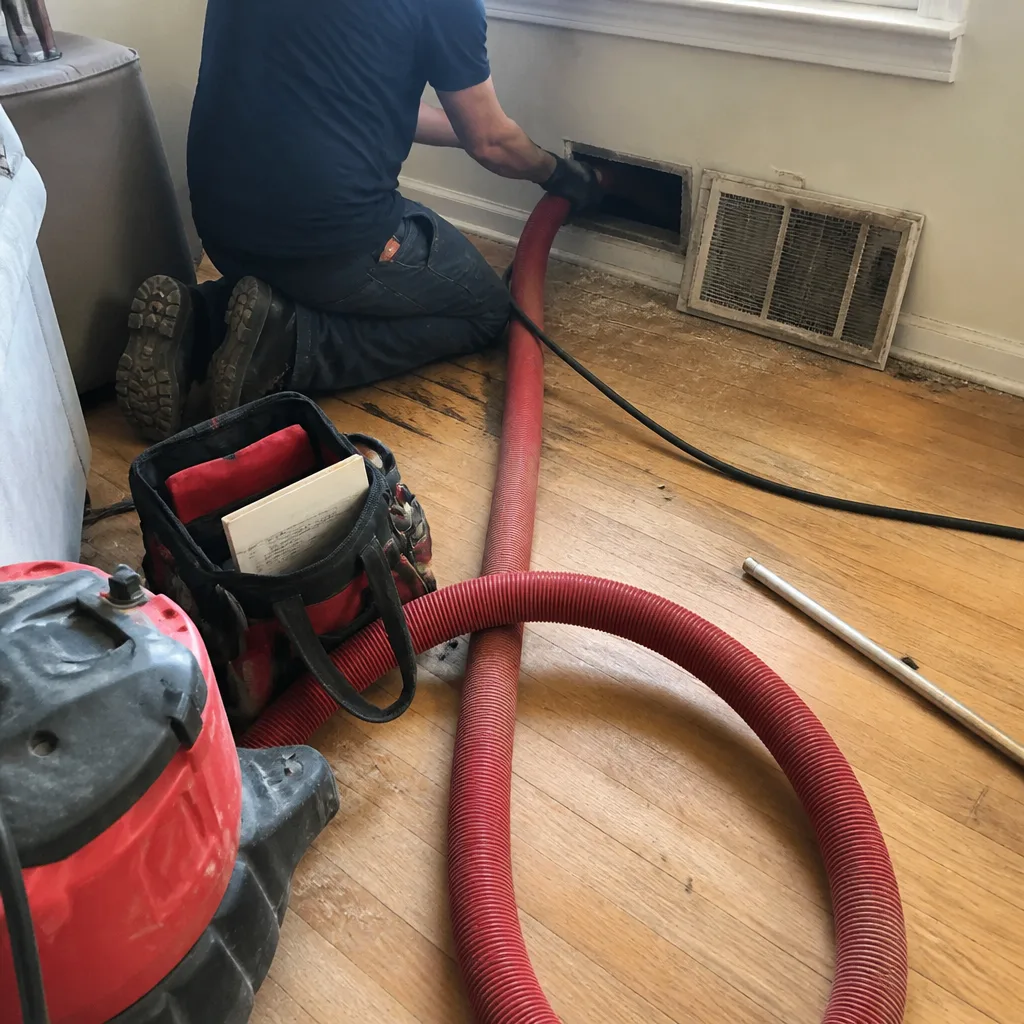 Before
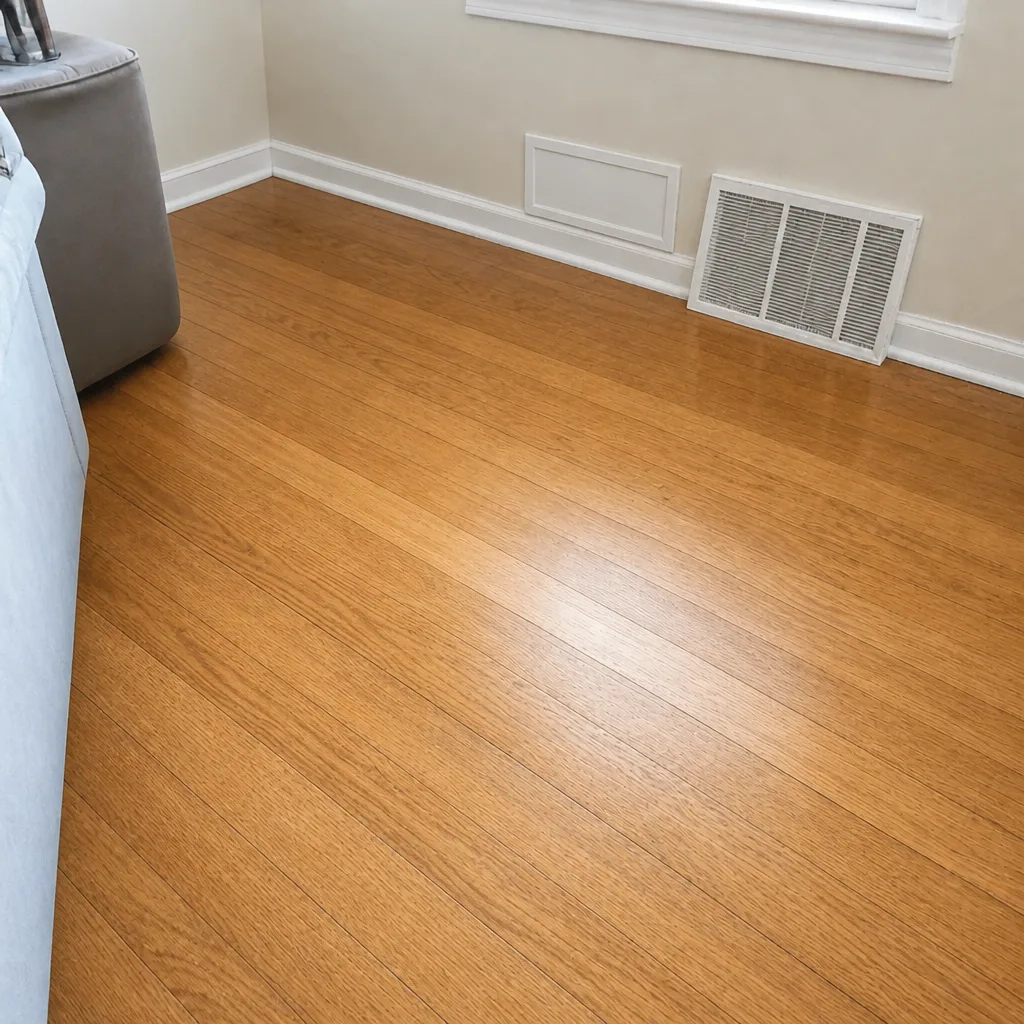 After