
Last updated November 25, 2026
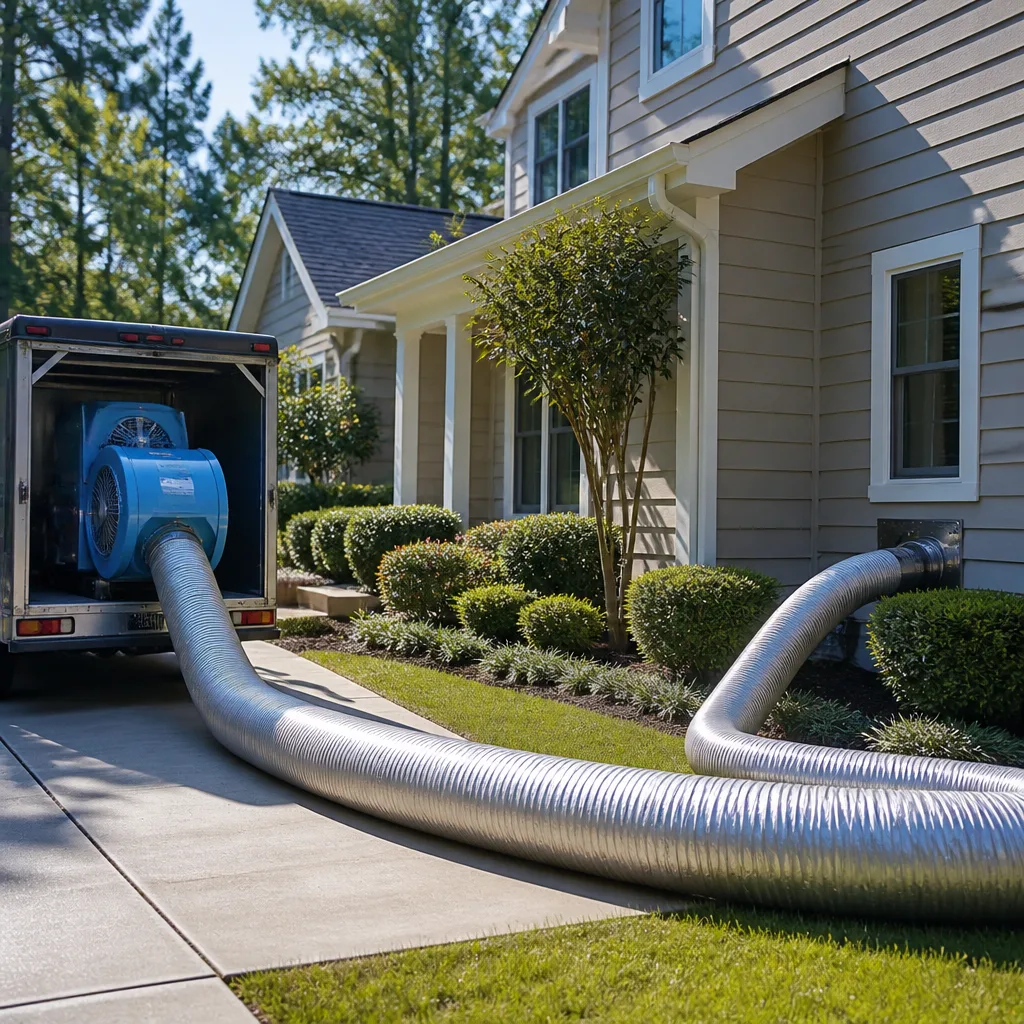 Whole-home duct cleaning
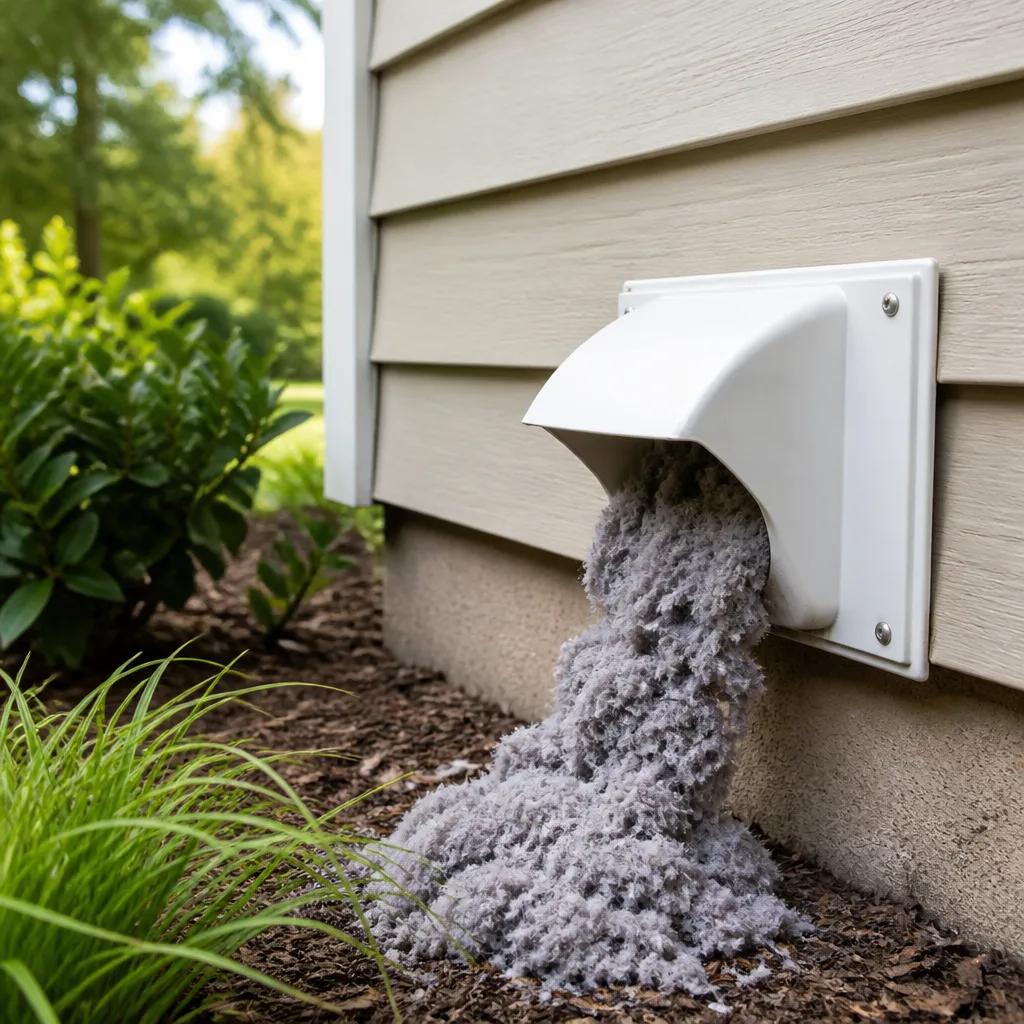 Dryer vent cleaning
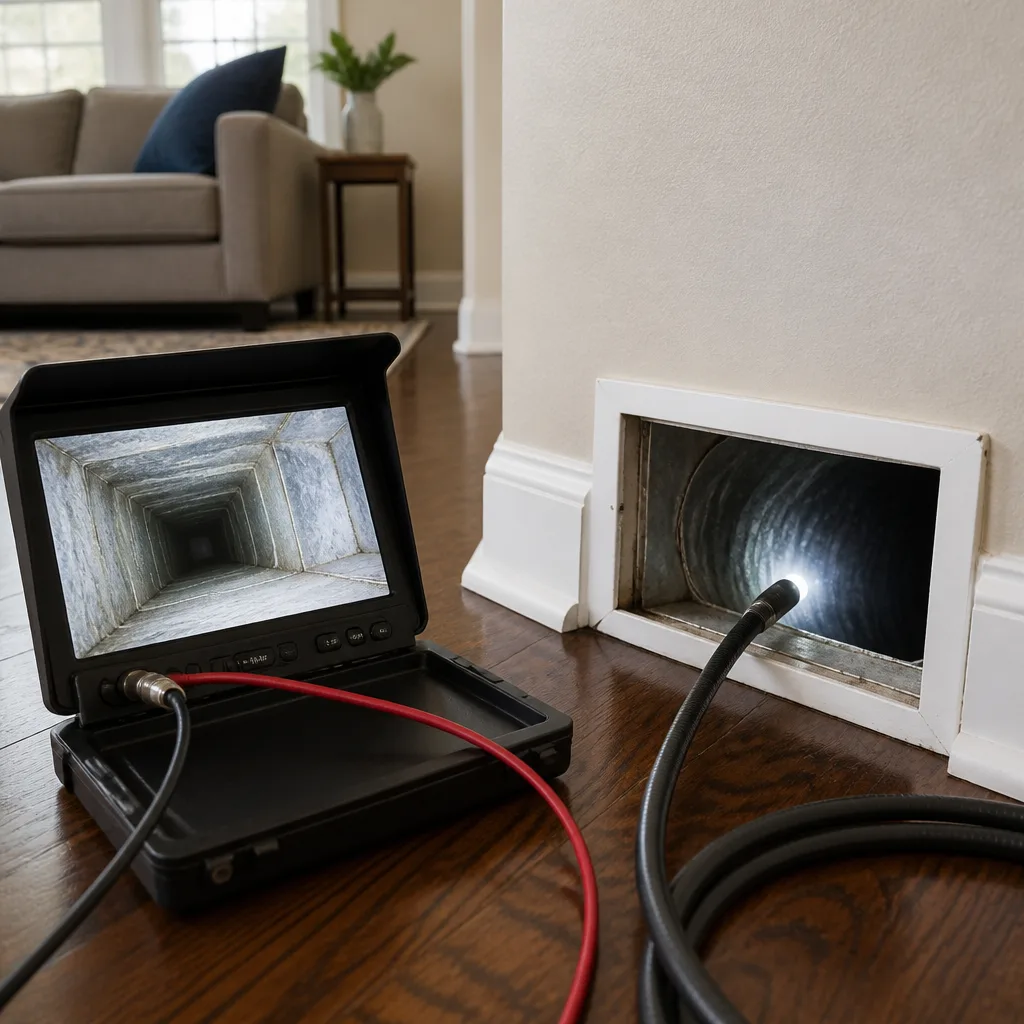 Camera inspection
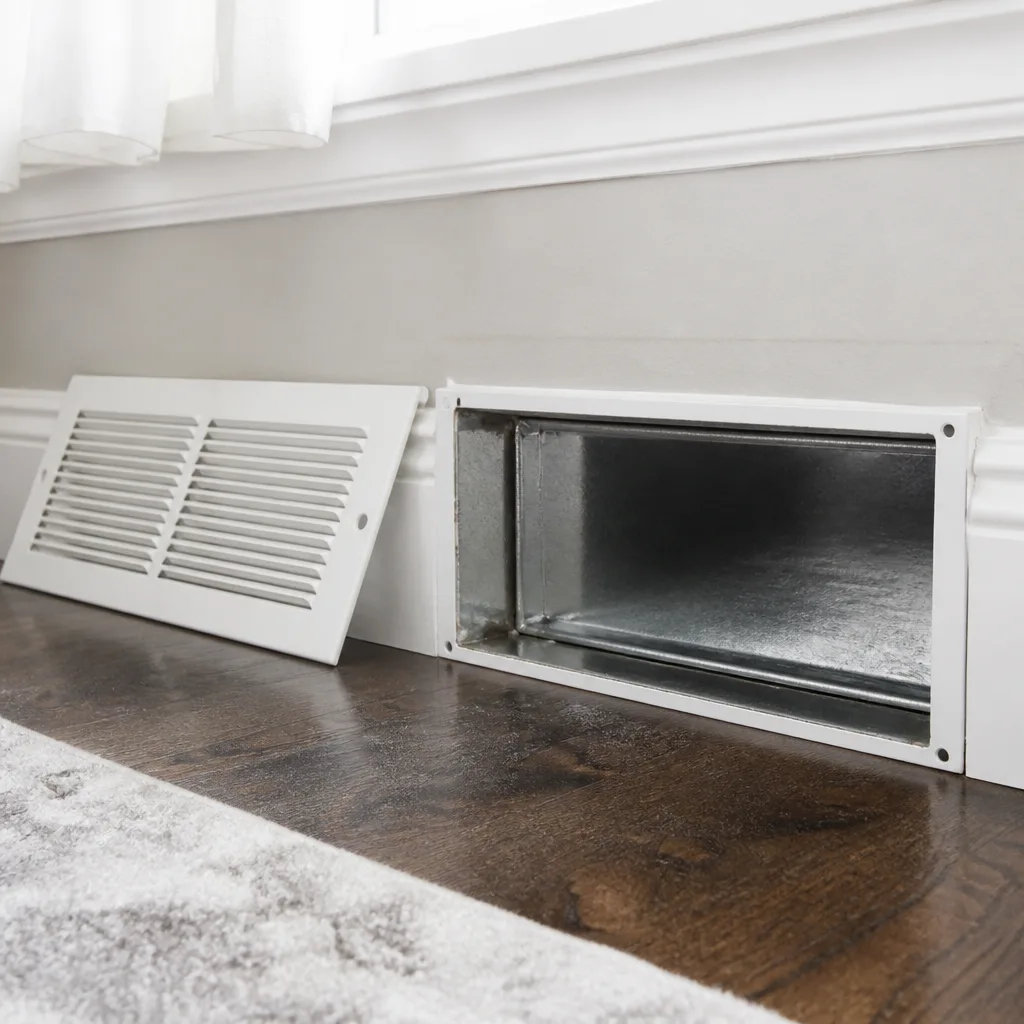 Sanitizing & deodorizing
Whole-system duct and dryer vent check with before-and-after photos - you see exactly what came out of your vents
That "$99 whole-house special" is a bait ad - the real number appears once they are in your hallway, or the "clean" is a shop-vac at the register. We photograph the inside of your ducts before and after instead.
Seasonal Air Duct Cleaning Care for North Buffalo: Year-Round Homeowner’s Guide
Most homeowners in North Buffalo clean their ducts in the fall, right before the furnace comes on. That feels logical. It’s also the wrong call. By the time October arrives, the debris that built up all summer has already been pulled through the system during the first cold snaps, and whatever settled into the duct walls during the heating season is sitting there waiting to be pushed into the living space when the AC starts in June. The best window arrives earlier than most people expect, and it’s tied to how this climate cycles through freeze-thaw, humidity, and furnace startup. This guide maps what actually happens inside ductwork at each seasonal transition and gives you a two-visit framework built around how Buffalo weather stresses your HVAC – not around habit.
Quick Answer
The highest-value time to clean air ducts in North Buffalo is late spring, after the heating season ends but before the AC starts running, because that’s when accumulated winter debris can be removed before it gets redistributed through the cooling system. A second lighter visit in early fall, before furnace startup, handles the debris load that summer humidity and open-window season leave behind. Homes with older flex duct or fiberglass-lined systems benefit most from this two-visit schedule.
Styles & brands we work with
- Whole-home duct cleaning
- Dryer vent cleaning
- Camera inspection
- Sanitizing & deodorizing
Table of Contents
- Why Timing Matters More Than Frequency in North Buffalo
- The Late Spring Window: After the Furnace, Before the AC
- What the Freeze-Thaw Cycle Does Inside Your Ducts
- Summer Humidity in Western New York and the Problem It Creates
- Fall Preparation: Reducing Furnace Startup Debris Load
- The Two-Visit-Per-Year Framework
- Dryer Vent Cleaning as a Seasonal Habit
- What to Look For in a Duct Cleaning Service
Why Timing Matters More Than Frequency in North Buffalo
Most advice about duct cleaning focuses on how often to do it. In our experience, the more useful question in North Buffalo is when. The same ductwork cleaned at the wrong point in the seasonal cycle can end up dirtier within weeks than it was before the truck showed up, because the cleaning dislodges material that a running system then redistributes.
Buffalo’s climate is hard on HVAC systems for a specific reason: it forces them through more distinct transition points than most U.S. markets. A furnace in Phoenix runs through a few cool nights. A furnace in North Buffalo runs through a six-month heating season, then the system sits idle for a few weeks, then the AC kicks on for a humid summer, then the whole thing flips back. Every one of those transitions is a moment when dust, condensation, and debris move through the ductwork in ways that don’t happen in milder climates.
Three forces drive this:
- Temperature differential. The gap between heated indoor air and the cold metal or flex of ductwork in a North Buffalo attic or crawlspace creates condensation on duct surfaces when the system shuts down.
- Humidity swings. Western New York summers push relative humidity into ranges that support mold growth inside ducts that stay cool from AC operation.
- Startup loads. The first time the furnace runs after a summer idle, it pulls months of settled dust through the entire system in a single startup cycle.
Timing your cleaning around those three forces is the whole game. Cleaning at the right moment removes the material before it becomes airborne. Cleaning at the wrong moment moves it around. That distinction is what separates a real maintenance schedule from a calendar reminder.
The Late Spring Window: After the Furnace, Before the AC
Late spring is the highest-value cleaning window in North Buffalo, and it comes down to a simple sequence. During the heating season, warm air moves through cold ductwork. Dirt that’s been sitting on duct walls all winter gets warmed and loosened. When the furnace shuts off for the last time in May, that loosened material is still in the ducts, waiting.
If you schedule a cleaning in that window – after the heating season ends but before the first sustained AC operation – you remove the winter accumulation before the cooling system can redistribute it into the living space. If you wait until fall, that same material has already moved through the house once during June and July, and it’s now mixed with summer humidity debris.
Here’s why the science holds up:
- Dust and debris settle most heavily on the interior walls of ducts when airflow is constant and low-velocity, which is exactly what a heating season produces.
- Thermal cycling during the heating months causes metal duct seams to expand and contract slightly, which loosens scale and creates gaps where debris accumulates.
- Once the AC starts, the system pulls air at higher velocity through the same ductwork, lifting that accumulated material and pushing it out through registers.
Late spring cleaning catches the material before step three happens. In North Buffalo, that window typically falls between the furnace shutting off and the first genuinely warm stretch where you’re running the AC. There’s no need to catch the exact date – the principle is “furnace off, AC not yet on,” which is broad enough to schedule around.
For homes that have sat through this cycle for more than a few heating seasons without a cleaning, the late spring visit is the heavier of the two. That’s the one where the air duct cleaning visit does the real work, with professional equipment pulling material out of the system before the cooling season turns it into recirculated dust.
What the Freeze-Thaw Cycle Does Inside Your Ducts
North Buffalo’s freeze-thaw winters create a specific duct problem that milder climates never deal with: condensation inside ductwork that isn’t sealed properly, followed by freezing, followed by thawing. Each cycle adds to the problem.
The mechanism works like this. In homes where duct runs pass through unconditioned space – attics, crawlspaces, unfinished basements – the metal or flex surface gets cold. Warm air inside the duct meets that cold surface and condenses. When temperatures drop below freezing, the condensate freezes. When they warm, it thaws. That repeated wet-dry cycling does three things:
- It degrades the duct wall. Metal ducts develop rust, which flakes off and adds to debris load. Flex duct develops small tears at the seams from expansion and contraction.
- It compromises insulation. Fiberglass-lined duct systems absorb moisture during condensation cycles. Once wet, insulation loses its thermal value and can become a substrate for mold. It doesn’t recover just by drying out.
- It loosens mechanical joints. Rigid duct sections connected by screws or slip joints work loose from repeated expansion and contraction, and the gaps that open up leak conditioned air while pulling unconditioned air in.
For North Buffalo homeowners with older flex duct or fiberglass-lined systems, this is the biggest reason to include duct inspection as part of a seasonal visit, not just cleaning. A duct system that’s starting to show condensation damage needs sealed and repaired ductwork before cleaning is even useful, because cleaning a duct run with compromised insulation just clears space for new growth.
The fix isn’t complicated, but it does require getting into the ductwork. That’s part of why a professional visit matters: the same inspection that decides how to clean also spots where sealing or repair is needed before the freeze-thaw cycle causes more damage.
Summer Humidity in Western New York and the Problem It Creates
If you’ve spent summer in North Buffalo, you know the air can feel heavy in ways that surprise visitors from drier parts of the country. For ductwork, that humidity creates a condition that’s easy to miss: the AC cools the duct interior below the ambient dew point, which causes condensation on the inside of the ducts even while the system is running.
In a clean, well-sealed duct, that condensation dries out between cycles. In a duct that’s carrying accumulated dust and organic debris, the moisture doesn’t evaporate as quickly. It sits on the dust layer, which is exactly what mold and bacteria need to establish a foothold. You won’t see it from the vent register. You’ll notice the symptoms first: a musty smell when the AC runs, more frequent allergy flare-ups, and dust that seems to reappear in rooms faster than usual.
Here’s the part that catches most homeowners off guard: the problem stays dormant until winter, when the furnace turns on and pushes air through that same ductwork. What was a humidity problem becomes an air quality problem in the heating season. The musty smell that appeared in August returns stronger in November.
The seasonal sequence matters:
- Summer humidity feeds dust and debris that settled during the previous heating season.
- Cooling operation keeps duct surfaces cool enough that condensation never fully dries between cycles.
- Furnace startup in fall activates the accumulated growth by pushing warm air through it, circulating the material that developed over the summer.
- Heating season redistributes the result into the living space.
That cycle is why cleaning in late spring breaks the chain and cleaning in fall only interrupts it. If you’re going to do one visit per year, late spring is the one that does more. If you want the cycle fully interrupted, you need to handle the late-summer condition before the furnace comes back on.
If the musty smell is already present, cleaning alone isn’t the whole answer. Air quality and sanitizing work – including professional-grade surface treatment – targets the biological growth that’s already established, while cleaning addresses the substrate that feeds it. Both sides need to be handled.
Fall Preparation: Reducing Furnace Startup Debris Load
The first cold stretch in North Buffalo forces furnaces to run hard after months off. That startup cycle is the biggest single debris event your ductwork ever sees. A furnace that sat idle through a humid summer pulls months of settled dust through the entire system within the first few hours of operation, and much of it ends up in the living space before the filter catches up.
The goal of a fall visit is to reduce that load. It’s not the heavy cleaning visit; it’s the setup visit – lighter work focused on clearing out what the summer left and catching duct problems before winter stress tests them.
Here’s what a fall preparation visit typically involves:
- Cleaning the return-side ductwork, where summer debris accumulates fastest because return air carries the highest particulate load.
- Inspecting duct runs in unconditioned space for insulation damage from the previous winter’s freeze-thaw stress. Any duct that was wet last winter and didn’t fully dry needs to be identified now, before another freeze cycle makes it worse.
- Checking your filter setup. A filter that’s been in service since spring has already loaded up. Replacing it before furnace startup ensures the system isn’t fighting two sources of resistance.
- Sanitizing where appropriate. If airborne allergy complaints were higher over the summer, sanitizing treatment before the heating season reactivates everything helps.
- Confirming the furnace-room ductwork – the runs closest to the heat exchanger – is clear, since those see the highest debris accumulation in the winter months.
In North Buffalo, this visit is most valuable in homes with fiberglass-lined duct systems, since those absorb moisture and need inspection before the freeze cycle returns. Homes with rigid metal ducts have less to worry about, but still benefit from the return-side cleaning before the first big furnace run.
Tying a fall visit to HVAC cleaning of the blower and coil side is a common pairing, since furnace startup debris also stresses the blower. Cleaning the HVAC components at the same time keeps the whole system working together through the winter.
The Two-Visit-Per-Year Framework
Here’s the structure that fits North Buffalo’s climate best, in a form that’s easy to hold onto each year. The principle behind it is seasonal function, not just frequency – each visit handles a different job, driven by what the previous season left behind.
Visit One: Late Spring (The Heavy Cleaning Visit)
- Timing: After the heating season ends, before the AC is running steadily.
- Focus: Full-system cleaning to remove winter debris accumulation.
- Equipment: Rotary brush agitation to break material free from duct walls, negative-air containment to capture it at the source.
- Add on: Duct inspection while the system is open, since this is the best point in the year to spot damage.
- Watch for: Musty smells from the previous summer, which indicate sanitizing work may be needed alongside cleaning.
Visit Two: Early Fall (The Startup Preparation Visit)
- Timing: Before the furnace runs for the season, ideally a few weeks ahead.
- Focus: Lighter cleaning of return-side ductwork and catch-up item for anything that developed over the summer.
- Additional tasks: Filter replacement, insulation damage inspection on ducts in unconditioned space, sanitizing if summer indicated a problem.
- Add on: If a whole-home air quality upgrade like a Honeywell humidifier or Aprilaire filtration system is needed, this is the visit where it makes the most sense to add – the system is being prepared anyway.
A third visit isn’t needed in most North Buffalo homes. If you’re starting from a system that hasn’t been cleaned in many seasons, the first cycle may take a heavier spring visit plus a follow-up inspection after the first winter, but that’s the exception rather than the schedule.
The two-visit model works because it follows the seasonal function of the system rather than habit. Late spring handles the heating season’s debris before it becomes airborne. Early fall handles the summer’s humidity problem before the heating season reactivates it. Each visit is doing something the other can’t.
Dryer Vent Cleaning as a Seasonal Habit
Ductwork in the HVAC system gets most of the attention in a seasonal care guide, but dryer vents deserve their own slot in the schedule. In North Buffalo, dryer vent buildup is slower in winter than in summer for a simple reason: homes dry less laundry when bulky winter items are being washed less frequently, and the summer warm season typically sees the highest volume. That’s why pairing dryer vent cleaning with the late spring visit makes sense – it handles the season where use is highest.
The problem with a loaded dryer vent is straightforward. Lint is highly flammable, and a vent that’s 20 to 30 percent blocked reduces dryer airflow enough to extend cycle times. That means every load generates more heat inside the dryer cabinet, raising the risk of ignition. When a vent is fully blocked, the danger spikes.
Like furnace duct cleaning, dryer vent cleaning benefits from professional equipment because the vent run can’t be properly cleared with a household vacuum and a flexible brush. Airflow testing before and after cleaning confirms the work actually happened. That’s part of why dryer vent cleaning is treated as its own service rather than an add-on.
For North Buffalo homes, the annual rhythm is: pair dryer vent cleaning with the late spring visit, and check airflow through the vent at fall preparation. If dry time has gotten noticeably longer since last summer, cleaning the dryer vent at the fall visit as well makes sense rather than waiting for spring.
What to Look For in a Duct Cleaning Service
Duct cleaning in the North Buffalo market has an uneven playing field. Some operations run consumer-grade vacuums through a hose and call it done, and some bring trailer-mounted truck systems built for the job. The difference shows up in the air you breathe afterward.
What matters:
- Equipment that agitates and removes. Straight suction doesn’t dislodge material stuck to duct walls. Rotary brush systems physically agitate duct surfaces to break debris free, then negative-air equipment captures it at the source. That’s how professional systems like Rotobrush and Nikro equipment are designed to work together.
- Containment during the work. What gets dislodged has to go somewhere. Abatement Technologies air filtration equipment captures dislodged material rather than pushing it into the living space.
- Inspection built into the visit. The point of the visit is to open the system, and that’s the moment to look for duct repair and sealing needs.
- A full-service scope. Cleaning, dryer vent work, HVAC cleaning, duct repair and sealing, and air sanitizing under one roof limits the hand-offs and ensures the person cleaning the ducts is also the one responsible for spotting repair needs.
- Whole-home air quality integration. If you’ve been considering added filtration or a whole-home humidifier, working with a specialist who sources and integrates brands like Honeywell and Aprilaire means the equipment and the ductwork are handled together.
What doesn’t matter: how focused the pitch is on one specific season. A specialist who understands the seasonal cycle should be able to explain why one visit is more valuable than the other, not sell you the same package every time.
Common Mistakes to Avoid
- Cleaning only in fall. Fall cleaning is useful, but it’s the smaller half of the job. Doing only the fall visit means the winter debris stayed in the system through the whole cooling season, where it was recirculated instead of removed.
- Skipping inspection when the ducts are open. A duct system that gets cleaned without being inspected misses the point. The reason to open it is to see the freeze-thaw damage from the previous winter before it gets worse.
- Assuming a filter change covers it. Filters capture some airborne particulate but don’t touch what’s settled on duct walls. A system that’s been through multiple North Buffalo winters without a real cleaning has debris that a filter can’t reach.
- Skipping dryer vent cleaning because there’s no smell. A dryer vent doesn’t smell before it becomes a fire risk. Lint buildup is silent until it either clogs the vent completely or ignites.
- Waiting to schedule until the AC starts. By the time you’ve turned on the cooling system, the debris from the heating season has already been redistributed. Late spring cleaning is the point in the cycle where waiting is most costly.
- Choosing a service based on a coupon price. A price that looks dramatically lower than others usually reflects a lower standard of equipment or a shorter job, and sometimes both. A system that isn’t actually cleaned will need the visit again sooner.
- Forgetting the attic and crawlspace runs. North Buffalo homes often have duct runs through unconditioned space where freeze-thaw damage happens first. Those runs need to be on the inspection list even when they’re out of sight.
See the difference
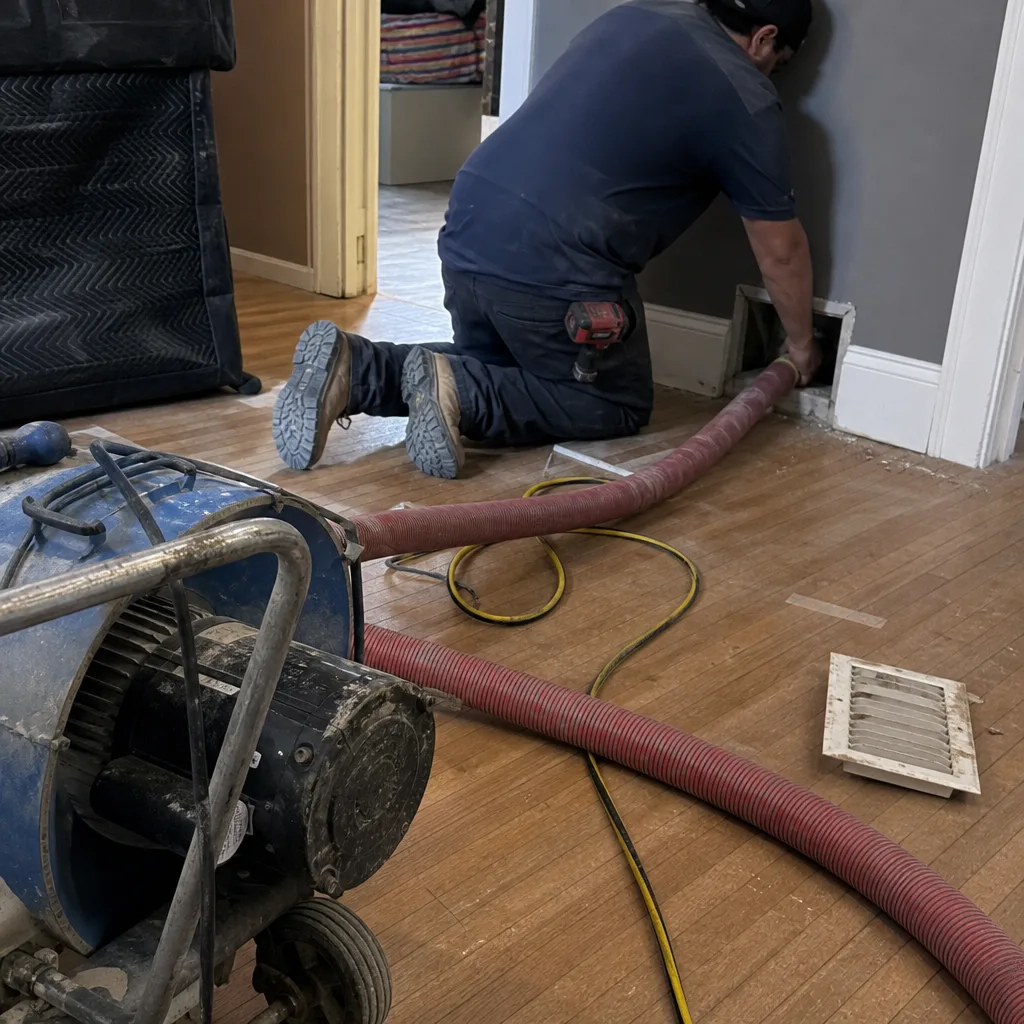 Before
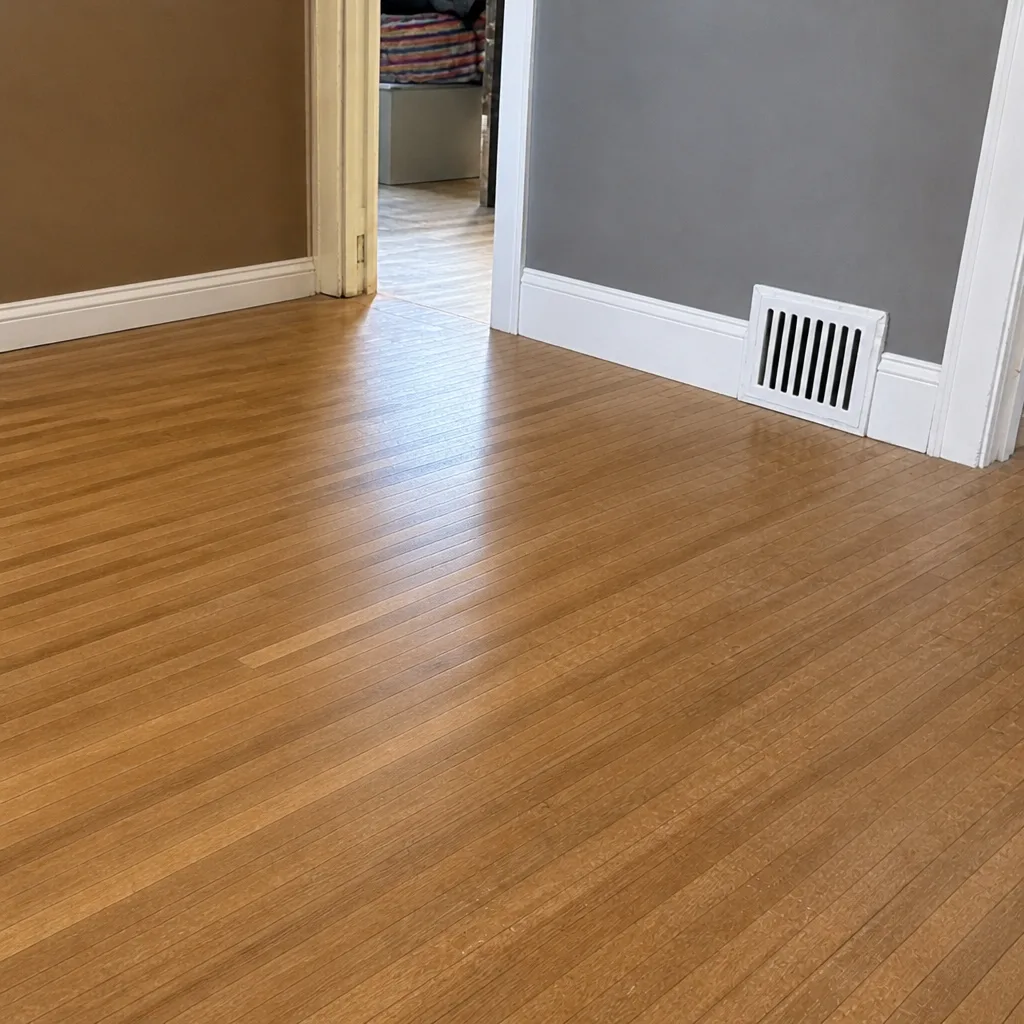 After
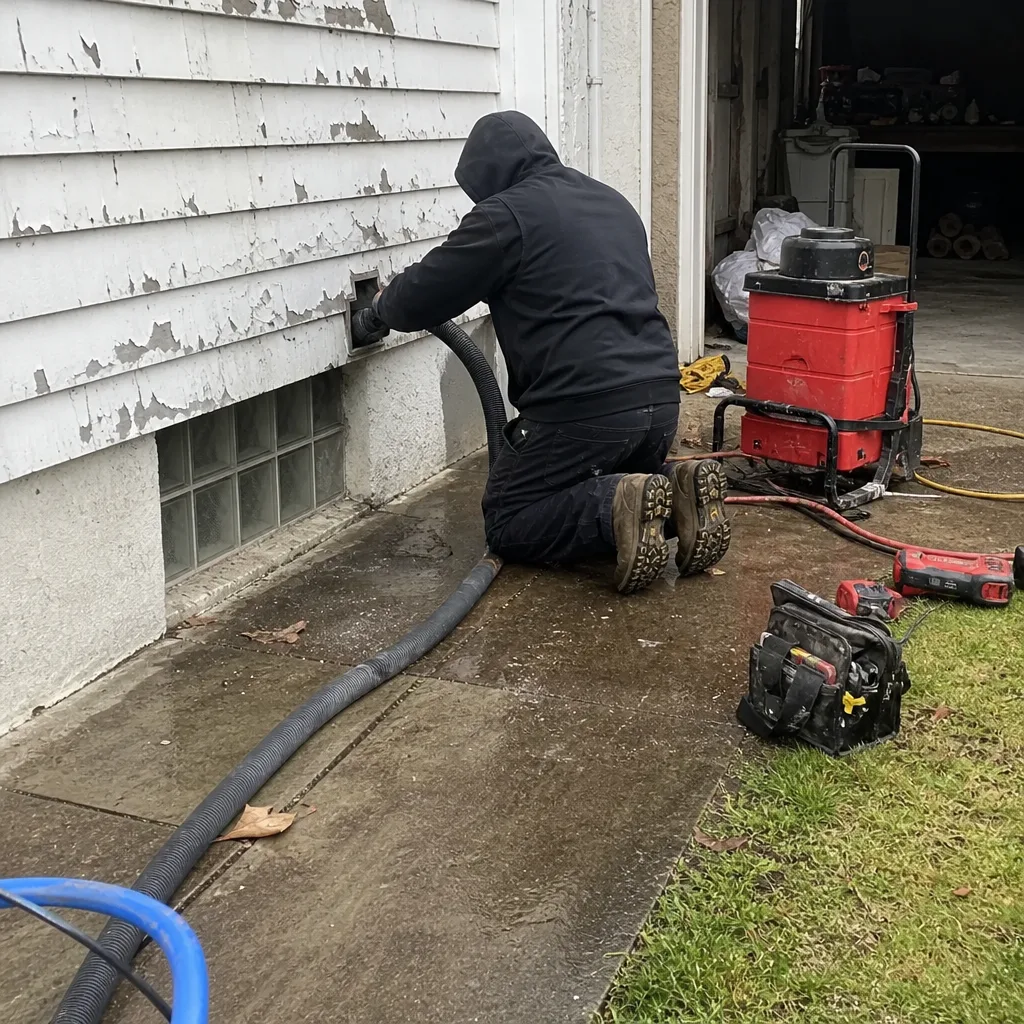 Before
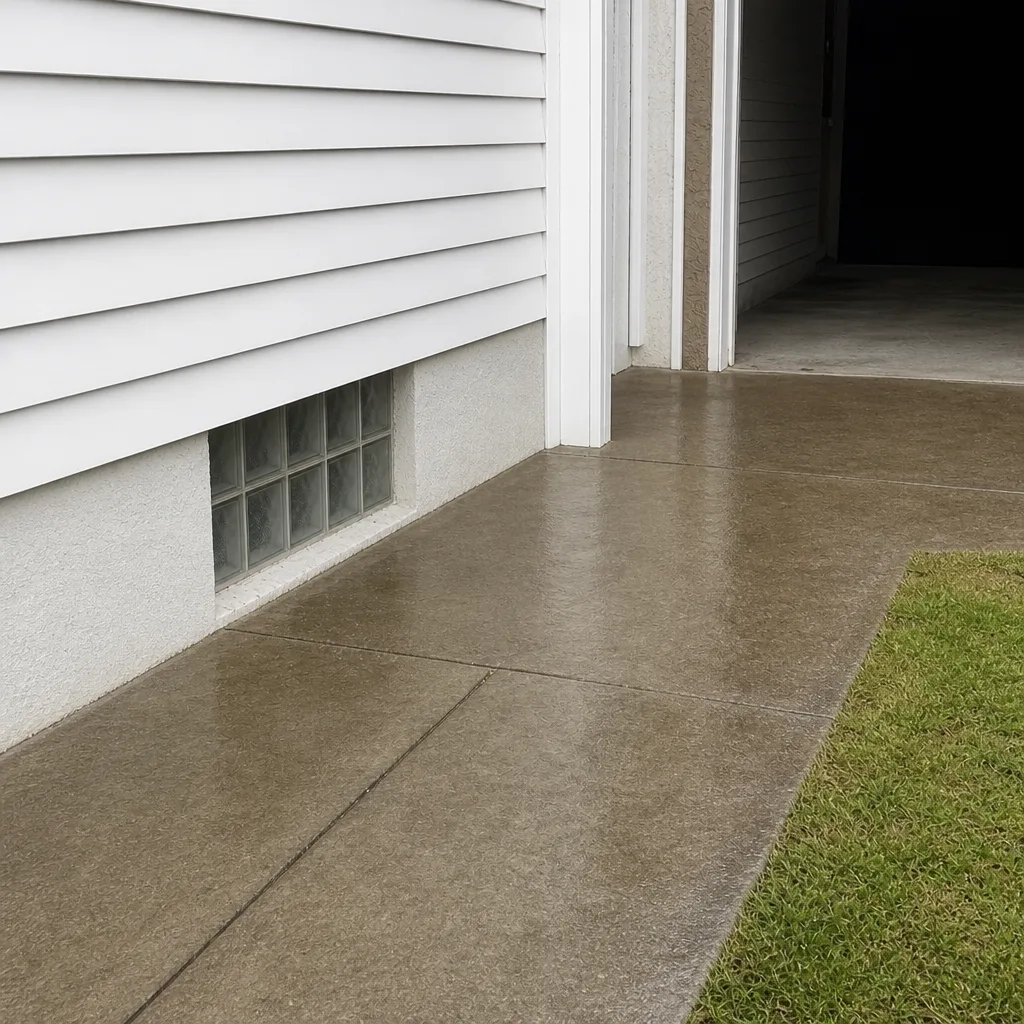 After
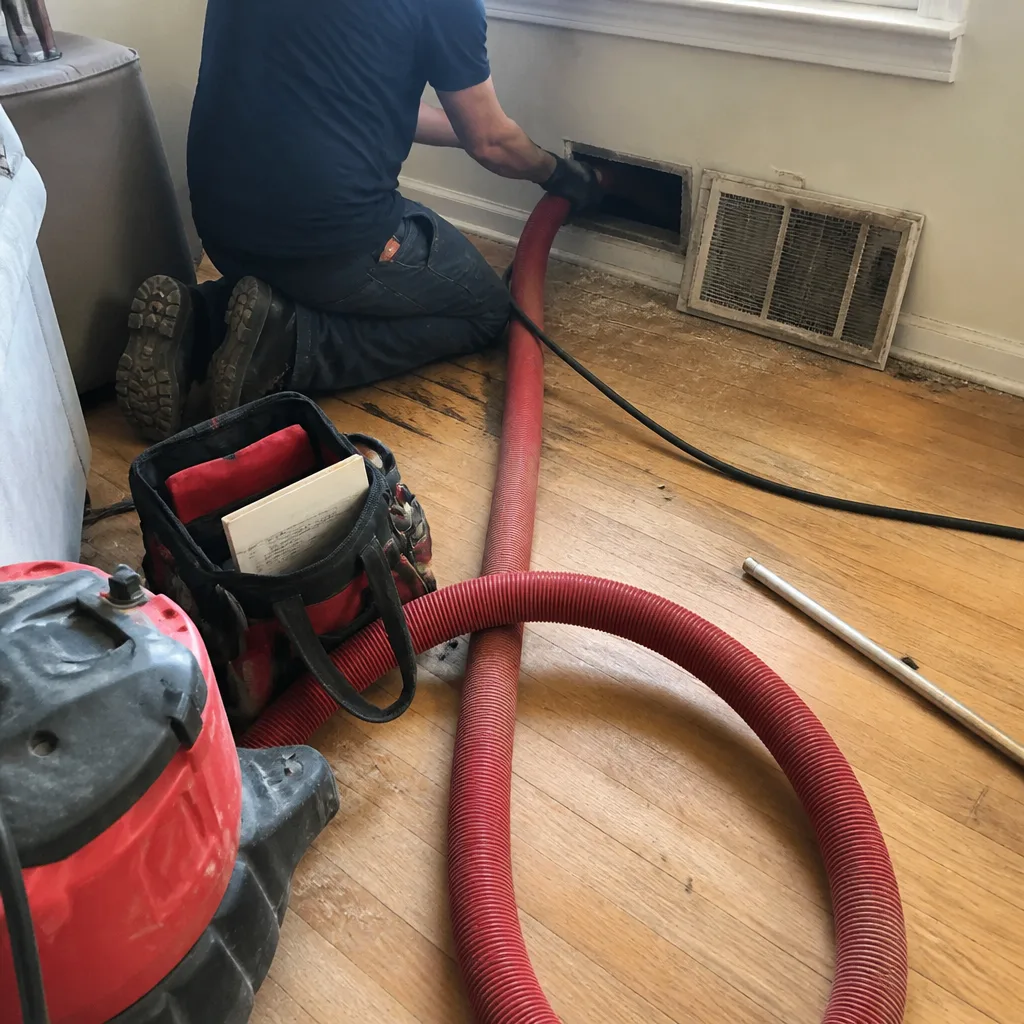 Before
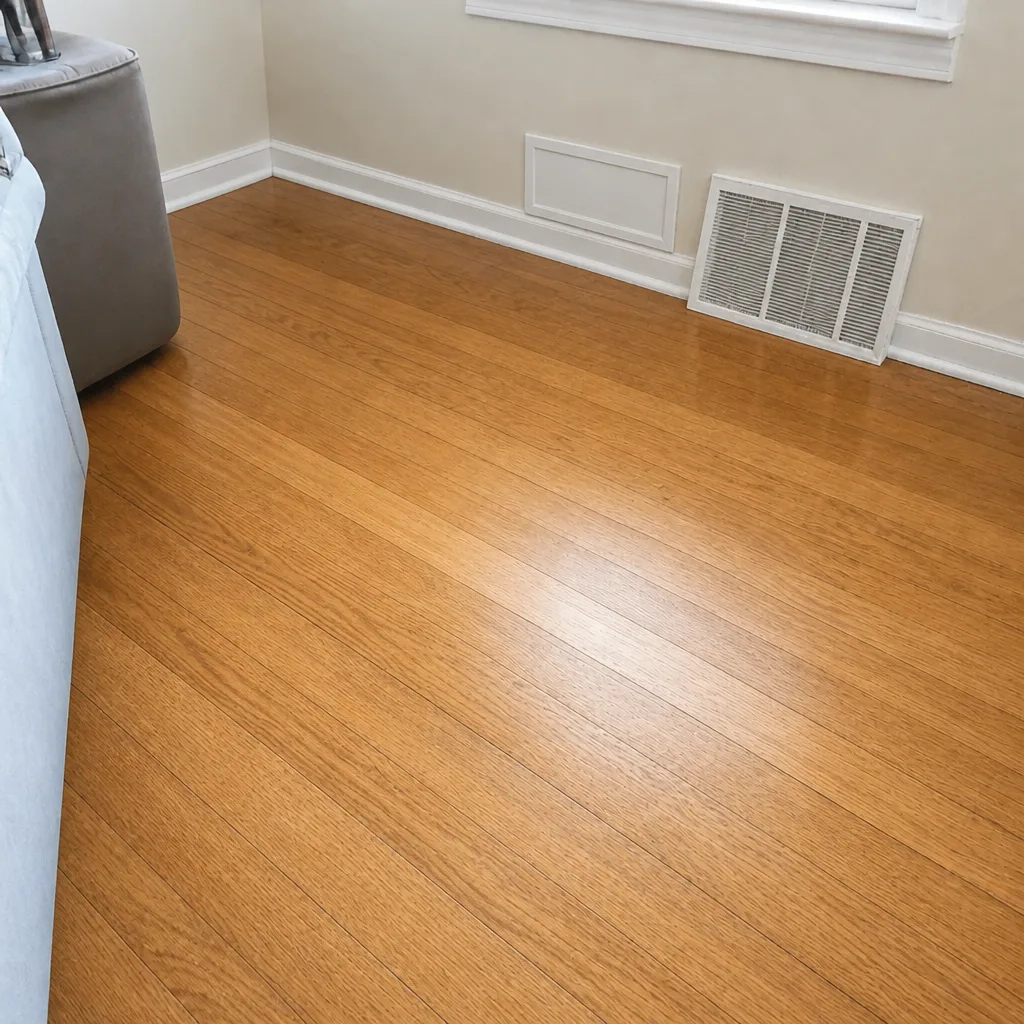 After
When to Call a Professional
Some duct problems are obvious. Others only show up when the system gets opened.
Call a professional when you notice a musty smell that returns with the AC or the furnace, when dust on furniture builds up faster than it used to, when allergy symptoms flare up indoors but ease when you’re out of the house, when the dryer takes noticeably longer to finish a load, or when the system hasn’t been cleaned in a few heating seasons and you don’t know what shape it’s in. Any of these signals a system-level issue that a filter change won’t fix.
Air Duct Cleaning North Buffalo offers free estimates in North Buffalo – call (877) 379-9769. We answer 24/7. Fast dispatch from 7am to 7pm, Sunday through Friday. The visit includes inspection, so you’ll know what shape the system is actually in before any work begins.
Frequently Asked Questions
Most North Buffalo homes benefit from one cleaning per year plus a lighter preparation visit each fall, matching the two-visit framework in this guide. Homes with significant dust or allergy issues, older fiberglass-lined ducts, or a lot of construction dust nearby may need attention more often. Homes with well-sealed metal ducts and a good filter setup may stretch to one visit per year without issue.
Yes, for the reason laid out earlier in this guide: cleaning in late spring removes the winter accumulation before the cooling system can redistribute it, while cleaning in fall only interrupts the cycle after the summer. The fall visit still matters, but as preparation and inspection, not the main cleaning. Call (877) 379-9769 for a free estimate on either visit type.
Persistent musty smells, unusually heavy dust buildup, allergy symptoms that worsen indoors, visible debris at the vent registers, or an unexplained rise in energy bills can all indicate a system that needs attention ahead of the next scheduled visit. A dryer that takes longer to finish a load points specifically to the dryer vent. Call us if any of these apply: (877) 379-9769.
It can. Summer humidity combined with AC operation creates condensation on the interior duct surfaces, and if dust or debris is present on those surfaces, the moisture feeds biological growth. That’s most likely in flex duct and fiberglass-lined duct runs where moisture doesn’t dry quickly. If you noticed a musty smell during the AC season, that’s a sign the summer window left an issue behind.
A professional visit includes inspection before and after, so you can see the condition of the ductwork at each stage. Our technicians have up to 9 years of experience, and the visit includes the equipment to show the difference – not just a claim that cleaning happened. If the visit doesn’t include before-and-after visibility, ask why.
No, for the reason worth flagging up front. Consumer vacuums can’t dislodge the material that’s bonded to duct walls, and the suction isn’t powerful enough to capture what does come loose. Dislodging some of the material without capturing it actually worsens the situation because it becomes airborne. Professional rotary brush equipment and negative-air containment is what makes the job work.
Duct repair covers damaged flex duct, torn insulation, and failed joints. Sealing addresses the leaks that develop in metal duct systems from winter expansion and contraction. Both matters most for ducts in unconditioned space, where leaks and damage affect system efficiency the most. These services make sense as part of a seasonal visit since the ductwork is already open for inspection.
The Bottom Line
Timing your duct cleaning matters more in North Buffalo than almost anywhere else because of how sharply the seasons cycle. Late spring cleaning removes winter accumulation before the AC redistributes it. Early fall preparation reduces furnace startup debris load and catches freeze-thaw damage before another winter. Add dryer vent cleaning to the late spring visit. Inspect the ductwork every time it’s opened. That structure keeps the whole system working the way it should, without over-scheduling or guesswork.
If you’re starting from a system that hasn’t been through the cycle in a few seasons, the first visit is the one to get right. Call (877) 379-9769 for a free estimate on an air duct cleaning or dryer vent cleaning visit. Estimates are free, and we’ll explain what shape the system is in before any work begins.
Written by the team at Air Duct Cleaning North Buffalo.